Which Floor to Buy? Floor Selection Guide for Whitefield Apartments 2026
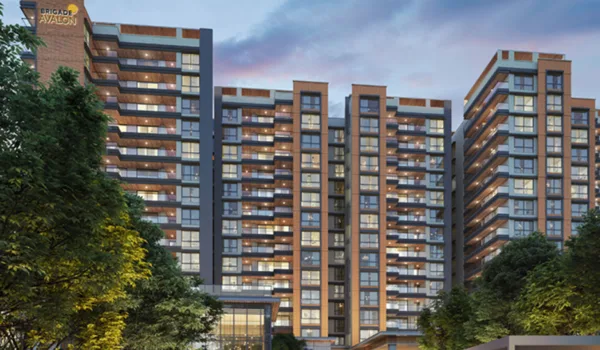
Once you have chosen a project and a configuration in Whitefield, one question still splits buyers: which floor? In the tall towers that define the area, the floor you pick shapes your daily light, view, noise and breeze, how much you lean on the lift, and sometimes what you pay and what the home fetches on resale. This 2026 guide walks through the trade-offs of low, mid and high floors so you can match the floor to how you actually live, rather than defaulting to whatever is offered first.
There is no universally best floor. A young couple chasing a skyline view will weigh things differently from a family with elderly parents. The goal is to know the trade-offs and choose deliberately.
Low, Mid & High Floors at a Glance
| Floor band | Typical strengths | Typical trade-offs |
|---|---|---|
| Lower (1 to 3) | Quick access, less lift reliance, easy evacuation | More street noise and dust, limited view |
| Mid (4 to 8) | Good light and view, still easy to reach | Balanced, few strong drawbacks |
| Higher (9 and above) | Best views, light, breeze, quieter, fewer mosquitoes | Lift dependent, water pressure, heat, slower evacuation |
Use this as a starting frame, then test it against the specific tower, its orientation, and what surrounds the block, an open view today can be built out tomorrow.
Floor-Rise Charges & What They Buy
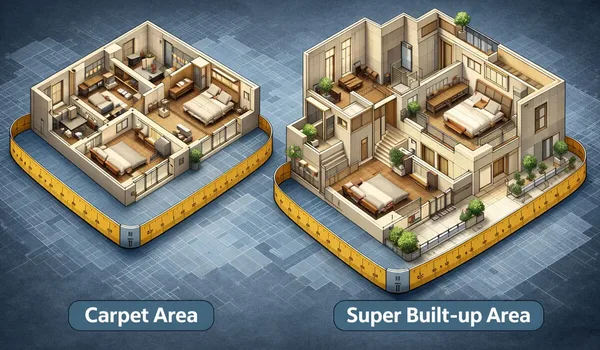
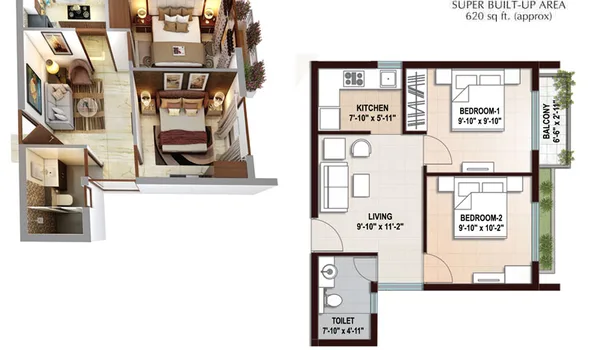
Many developers add a floor-rise charge, sometimes called a preferential location charge, that increases the price per higher floor to reflect the better view and light. The amount varies widely by project and is quoted per square foot per floor, so ask the developer for the exact floor-rise rate rather than assuming a figure. Since it applies to the saleable area, it interacts with how area is measured, which is worth understanding through our carpet vs super built-up area guide and the actual layout on the floor plans.
Bottom line: confirm the per-floor charge in writing and decide if the view and light are worth the premium to you.
Light, View, Noise & Ventilation
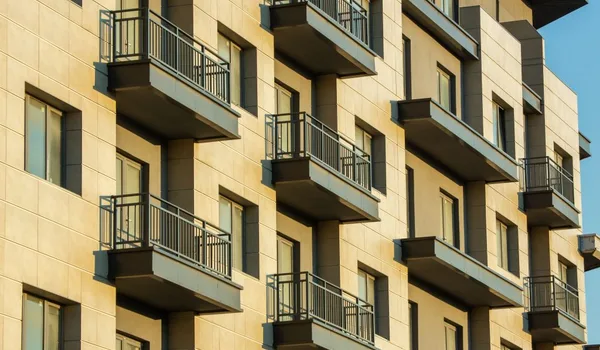
Higher floors generally get more consistent daylight, longer views, better cross ventilation and noticeably less traffic noise and dust, and they tend to see fewer mosquitoes. Lower floors trade some of that for convenience and a stronger connection to the ground-level greenery and amenities. Whatever the height, the orientation of the unit matters as much as the number, a well-facing mid floor can feel brighter than a poorly-oriented high one, which is where the light-and-air thinking in our apartment Vastu guide is genuinely useful.
Bottom line: judge light and view on the actual unit and its facing, not on the floor number alone.
Lifts, Water Pressure & Safety
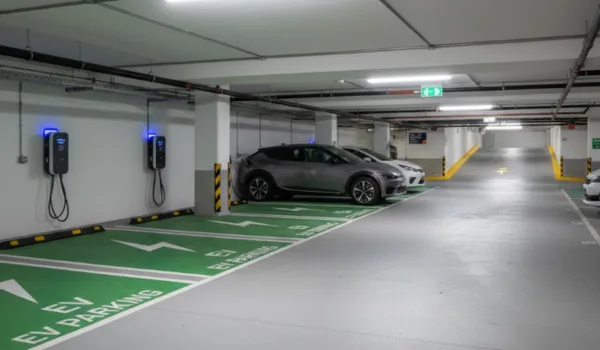
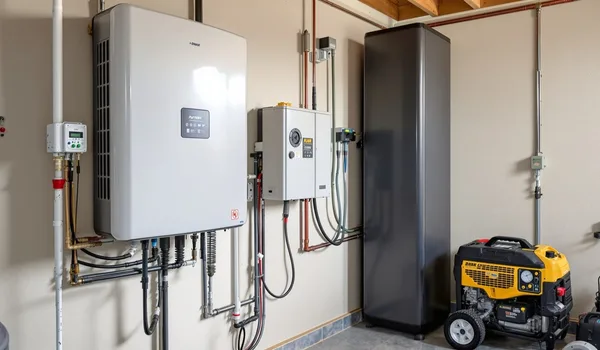
The practical case for lower and mid floors is real: you depend less on lifts during peak hours or power cuts, water pressure is rarely an issue, and evacuation is quicker in an emergency. High floors rely on the building’s lift count, backup power and pumping systems working well, so check how many lifts serve each tower and the strength of the power and water backup, details also covered in our apartment amenities guide. Families with elderly members or young children often lean lower for exactly these reasons.
Bottom line: the taller you go, the more you should scrutinise lift count, backup power and water pressure.
Resale, Rental & Choosing a Floor in Whitefield
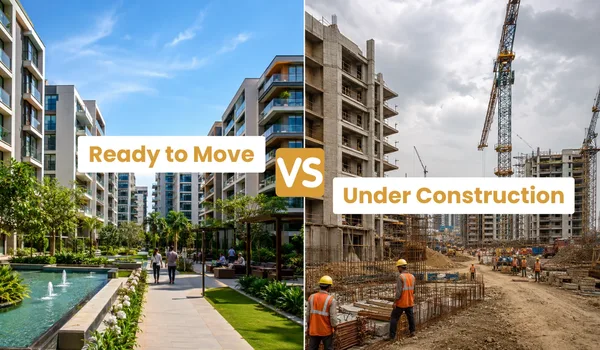
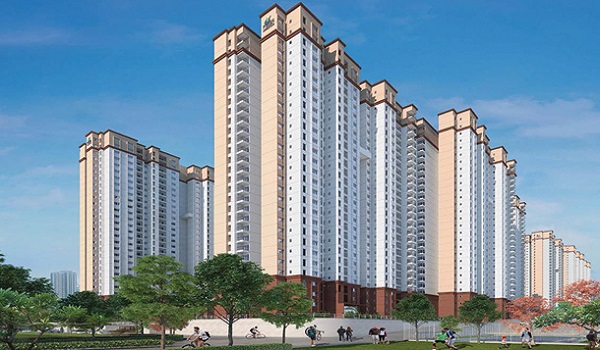
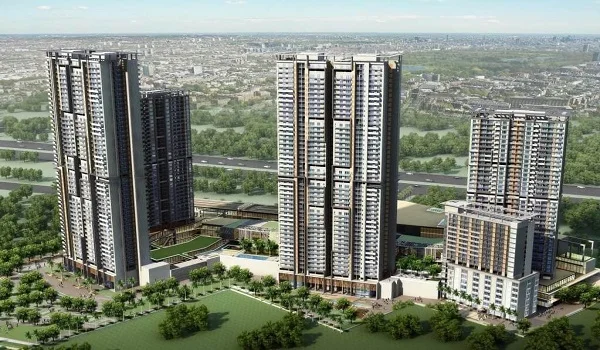
On resale and rental, mid-to-higher floors with good light and a clear view usually attract the widest set of tenants and buyers, though location, build quality and layout still drive value more than floor, as our price trends guide shows. In practice you have room to choose here: the lead pre-launch option, Prestige Whitefield, is an 18-acre, 10-tower project by Prestige Group on Varthur Road with 1 to 4 BHK homes from about ₹1.14 Crore, so a range of floors and orientations is available, while ready communities such as Prestige Lavender Fields and Prestige Shantiniketan let you stand in a unit and judge the view yourself. Check the current price on the price list and read the wider Whitefield real estate guide before you commit.
Bottom line: pick the floor for how you live now, but keep resale-friendly light and view in mind.
Frequently Asked Questions
1. Which floor is best to buy in an apartment?
There is no single best floor. Mid floors balance light, view and easy access, while higher floors suit views and quiet, and lower floors suit families wanting less lift dependence.
2. What is a floor-rise charge?
It is an extra amount many builders add per floor as you go higher, reflecting the better view and light. Confirm the exact floor-rise rate with the developer.
3. Are higher floors worth the extra cost?
Often yes for views, light, breeze and less noise, but you rely more on lifts and water pressure. Weigh the premium against how much you value those benefits.
4. Is a lower floor better for families with elderly or children?
Usually. Lower floors mean quicker access, less lift dependence and easier evacuation, which many families with elderly members or young children prefer.
5. Does the floor affect resale value?
It can. Mid and higher floors with good views and light tend to attract buyers, but location, quality and layout usually matter more than floor alone.
Conclusion
Choosing a floor is a personal trade-off, not a ranking. Decide what you value most, easy access and less lift reliance lower down, or view, light and quiet higher up, and then check the specifics of the tower: its orientation, lift count, water pressure and any floor-rise charge. Stand in the unit if you can, look at the actual view and how the light falls, and match the floor to your stage of life and how you plan to use the home. Get that fit right and the floor will feel like the home’s biggest quiet advantage for years.
Prestige Whitefield Blog