Green & Sustainable Apartments in Whitefield 2026
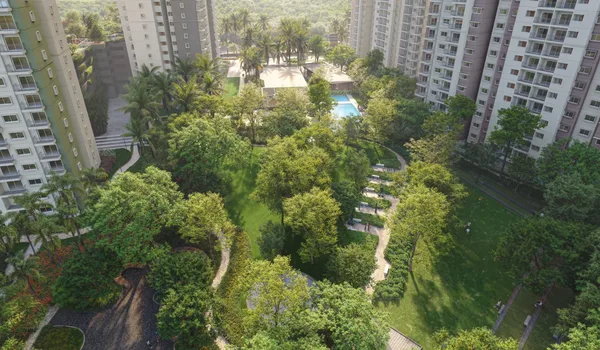
Sustainability has moved from a nice-to-have to a real buying factor for many families in Whitefield, and for good reason. A green apartment is designed to use less water and energy, manage its waste responsibly and stay comfortable with less mechanical cooling, which is good for the environment and can also trim the running costs you carry every month. This 2026 guide explains what actually makes an apartment green, the certifications worth recognising, the water and energy systems to look for, and how to judge the savings honestly rather than taking a marketing label at face value.
What Makes an Apartment Green
Green design is a bundle of features working together, not a single gadget. Here are the ones that make the biggest difference in a Bengaluru apartment.
| Feature | What it does |
|---|---|
| Rainwater harvesting | Captures rain to recharge groundwater and cut water bills |
| Sewage treatment plant | Recycles wastewater for flushing and landscaping |
| Solar for common areas | Powers lighting and pumps, lowering shared electricity cost |
| Efficient lighting & fixtures | LED lighting and low-flow taps reduce energy and water use |
| Cross-ventilation & shading | Keeps homes cooler with less air-conditioning |
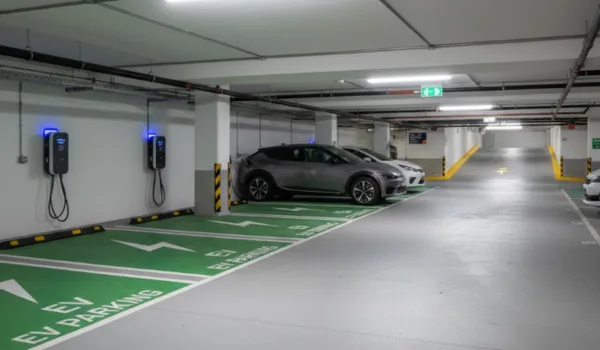
| Waste segregation & EV points | Manages waste on site and supports electric vehicles |
No single item makes a home sustainable; it is the combination that lowers a building’s footprint and its running costs. Many of these overlap with the community facilities in our amenities and clubhouse guide, so evaluate them together.
Bottom line: look for a set of water, energy and waste features working together, not one headline feature.
Certifications to Look For
Two Indian rating systems help you judge a project’s green credentials objectively. IGBC, run by the Indian Green Building Council, and GRIHA, the national rating developed with government support, both assess a development on water efficiency, energy use, materials and site design, and award a rating that reflects how sustainable the building really is. A recognised certification is more reliable than a brochure adjective, so ask which system a project is rated under and at what level. Treat an uncertified “eco” claim with healthy caution and ask for the specifics behind it.
Bottom line: a recognised IGBC or GRIHA rating is stronger proof than a marketing label; ask for it in writing.
Water, Energy & Waste Systems
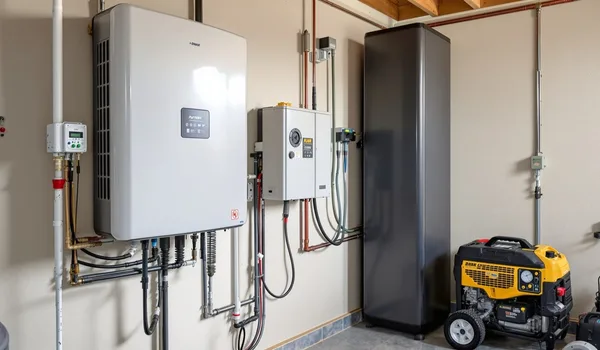
Bengaluru’s water situation makes the water systems especially valuable. Rainwater harvesting recharges groundwater and reduces dependence on tankers, while a sewage treatment plant lets a community reuse treated water for flushing and landscaping instead of drawing fresh water for it. On energy, solar panels for common-area lighting and pumps cut the electricity that every resident shares through maintenance, and efficient fixtures reduce what you use inside your own flat. On waste, on-site segregation and composting keep more out of landfill. These systems also shape your monthly outgoings, so read them alongside our maintenance and CAM charges guide to see how they affect shared costs.
Bottom line: in Bengaluru the water-recycling and rainwater systems often matter most; check they are installed and maintained.
What Green Features Save You
Green features can genuinely lower your running costs, but be realistic about the numbers. Recycled water reduces fresh-water and tanker spend, common-area solar trims the shared electricity that flows into your maintenance bill, and efficient lighting and better ventilation cut your own utility use. The exact saving depends on the systems fitted, how well they are maintained and how you live, so ask the builder or association for specifics rather than assuming a fixed percentage, and never treat an unverified savings claim as a guarantee. A green project may carry a modest price premium for the added systems, so weigh that upfront cost against the running savings over the years you plan to stay, the same way you would assess any long-term value with our Whitefield investment outlook.
Bottom line: expect real but variable savings; ask for specifics and weigh any green premium against long-term running costs.
Finding Green Homes in Whitefield
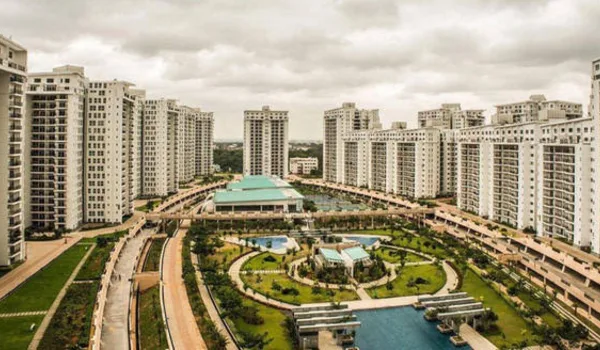
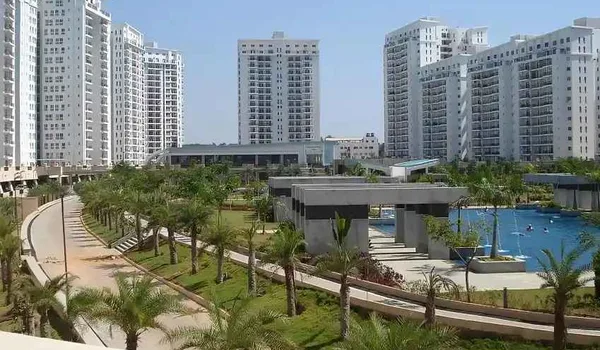
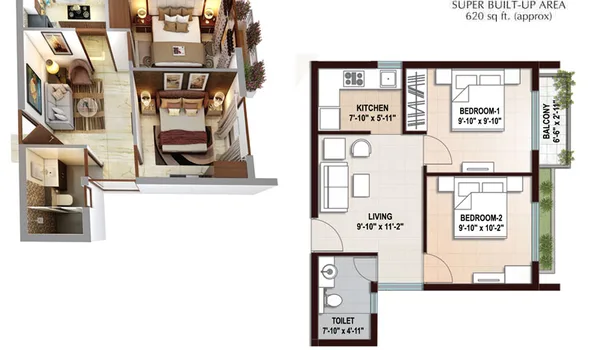
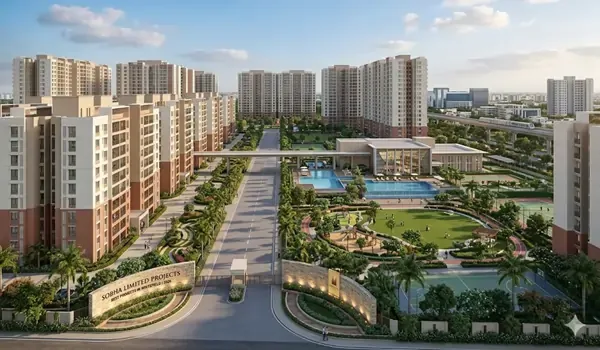
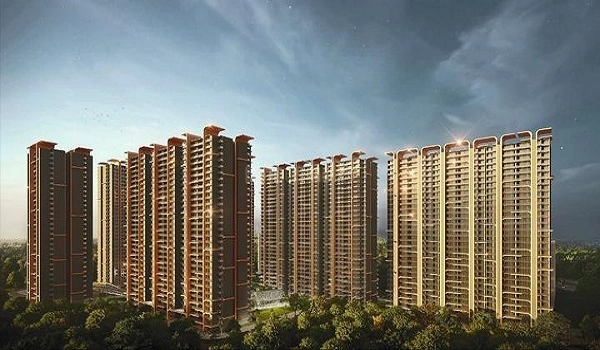
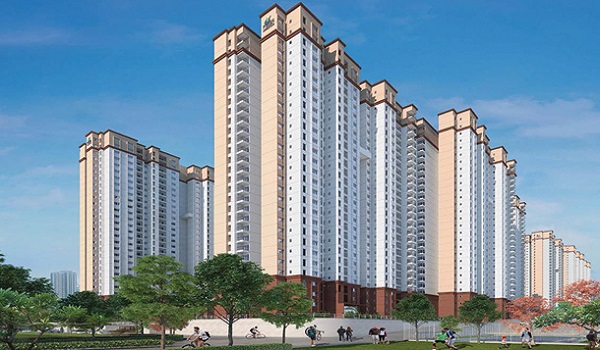
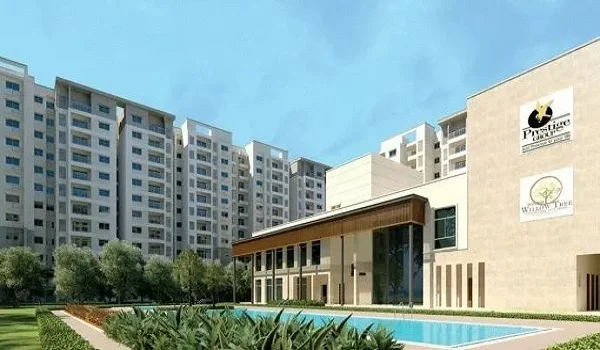
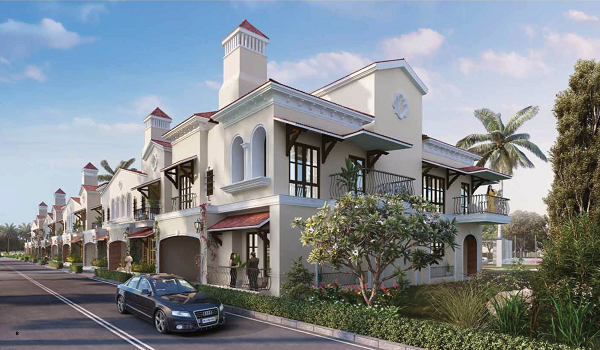
When you shortlist, ask each project which green systems it actually runs and whether it holds an IGBC or GRIHA rating. The lead pre-launch option, Prestige Whitefield, is an 18-acre, 10-tower development by Prestige Group on Varthur Road with 1 to 4 BHK homes from about ₹1.14 Crore, and established communities such as Prestige Shantiniketan and Prestige Lavender Fields are worth checking for their water-recycling and rainwater systems too. Confirm the exact features and any certification directly with the builder, review layouts on the floor plans, check the current entry price on the price list, and read the wider Whitefield real estate guide to place sustainability within the full buying picture.
Bottom line: ask every shortlist project for its green systems and rating, and confirm the specifics before you buy.
Frequently Asked Questions
1. What makes an apartment green?
Green apartments use less water and energy through features like rainwater harvesting, sewage recycling, solar power, efficient lighting and good ventilation. Many carry a recognised green certification.
2. What is an IGBC or GRIHA rating?
IGBC and GRIHA are Indian green-building rating systems that assess a project on water, energy, materials and site design. A higher rating signals stronger sustainability credentials.
3. Do green apartments cost more to buy?
They can carry a modest premium for the added systems, but they often reduce running costs over time. Weigh the upfront cost against the long-term savings.
4. Do green features lower my monthly bills?
Efficient water, lighting and common-area solar can trim utility and maintenance costs, though the exact saving depends on the systems and usage. Ask the builder for specifics.
5. Does a green apartment help with EV charging?
Many newer sustainable projects provide EV charging points or wiring provision in parking. Confirm the number of points and any usage charges with the builder.
Conclusion
A green apartment is not about a single flashy feature but about a building designed to use water and energy sensibly, handle its waste on site and stay comfortable with less power. Look for a recognised IGBC or GRIHA rating, check that the water-recycling, rainwater and solar systems are genuinely installed and maintained, and judge the savings honestly by asking for specifics rather than trusting a slogan. In a city where water is a real constraint, these features protect both the environment and your monthly budget, so a well-run sustainable community is a choice that tends to pay back over the years you live there.
Prestige Whitefield Blog