Pre-EMI vs Full EMI Home Loan Guide for Whitefield Under-Construction Apartment Buyers 2026

When you book an under-construction apartment in Whitefield and arrange a home loan, the bank does not disburse the entire sanctioned amount on day one. Instead, it releases funds in tranches aligned to the builder's construction milestones, and during this period you pay interest only on what has been disbursed, not on the full loan. This interim phase is called the pre-EMI period. Understanding how it works, how it interacts with tax deductions, and what happens when possession is delayed is essential for any buyer taking a construction-linked home loan. This guide covers each of these questions without fabricating interest rates or loan amounts.
What Is Pre-EMI?
In a standard fully-disbursed home loan for a ready-to-move property, you begin paying a full EMI, which includes both principal repayment and interest, from the first disbursement. For under-construction properties, the bank disburses funds in stages. Between each tranche release and full disbursement, you pay only the interest on the amount released so far. This interest-only payment is the pre-EMI.
As each new tranche is released, the interest charge increases proportionally, because it is calculated on the cumulative disbursed amount. This continues until the last tranche is released, after which the full EMI on the entire sanctioned loan commences. The pre-EMI phase typically lasts the entire construction period, which can range from one to three or more years depending on the project and possession schedule.
The builder payment plan guide explains the milestone schedule that drives tranche calls from the builder.
Bottom line: pre-EMI is interest-only payment on disbursed tranches; full EMI on the total loan starts after the final tranche is released.
How Tranche Disbursement Works
Under a construction-linked payment plan (CLP), the builder raises demand letters at each construction milestone. The bank disburses the corresponding loan tranche directly to the builder on the buyer's behalf after verifying the demand letter and, in many cases, a site progress certificate.
| Typical CLP stage | Approx. disbursement % | Notes |
|---|---|---|
| Agreement for Sale / booking | 10-15% | Often self-funded; RERA Section 13 limits advance to 10% before AFS registration |
| Foundation / excavation | 10-15% | Bank releases first or second tranche on demand letter and progress certificate |
| Plinth / basement slab | 10-15% | Varies by builder and lender schedule |
| Successive floor slabs | 5-10% per floor | Frequency depends on number of floors and CLP |
| Brickwork and plaster | 10% | Structural completion milestone |
| Electrical, plumbing, flooring | 5-10% | Final fitout before OC |
| Possession / OC | Remaining balance | Last tranche; full EMI starts from this point |
The exact percentages vary by project, builder and lender. Your agreement for sale and your bank's sanction letter will specify the disbursement schedule.
Bottom line: banks release funds against demand letters tied to construction milestones; you pay interest on the cumulative disbursed amount at each stage.
Pre-EMI vs Full EMI: Which to Choose?
Some lenders offer an option to start the full EMI (principal plus interest on the entire sanctioned amount) from the very first tranche, even before the full loan is disbursed. This is sometimes called tranche-EMI or full-EMI-from-first-disbursement.
| Feature | Pre-EMI | Full EMI from first tranche |
|---|---|---|
| Monthly outgo during construction | Lower; interest only on disbursed amount | Higher; full principal + interest on total loan from start |
| Impact when also paying rent | Easier to manage; lower combined outgo | Higher financial pressure if simultaneously paying rent |
| Total interest over loan life | Higher; principal repayment is deferred | Lower; principal reduces from the very first payment |
| Tax deduction on construction-period interest | In 5 equal instalments post-possession under Section 24(b) | Not applicable; full EMI interest is deducted year by year normally |
| Suits | Buyers managing both rent and loan outgo during construction | Buyers with surplus cash flow who want to minimise total interest cost |
In practice, most buyers on under-construction CLP-based loans opt for pre-EMI because they are simultaneously paying rent. The right choice depends on your individual cash flow. Discuss with your lender and a CA before deciding.
The home loan and EMI guide explains loan eligibility, LTV ratios and EMI calculation for buyers at the acquisition stage.
Bottom line: pre-EMI lowers monthly outgo during construction but increases total interest paid; full EMI from first tranche costs more monthly but reduces the overall interest burden.
Tax Treatment of Pre-EMI Interest Under Section 24(b)
Pre-EMI interest paid during the construction period is NOT deductible in the year of payment. Instead, the total pre-EMI interest accumulated from the date of first disbursement to the end of the financial year preceding the year of possession is treated as pre-construction interest and deducted in five equal annual instalments under Section 24(b), starting from the year of possession.
| Phase | Tax treatment |
|---|---|
| Pre-EMI interest paid during construction | Not deductible in year of payment |
| Accumulated pre-construction interest | Deducted in 5 equal annual instalments starting from year of possession |
| Running EMI interest from possession year onwards | Deductible under Section 24(b) in the year of payment |
| Combined annual deduction cap (self-occupied) | Rs 2 lakh per year (pre-construction instalment + running interest combined) |
| Cap for let-out property | No ceiling under current regime; confirm with CA |
If the construction period is long, the accumulated pre-construction interest can be significant. Together with the running EMI interest in the first years after possession, the combined deduction may exceed the Rs 2 lakh self-occupied cap, meaning a portion of the deduction is lost each year. Confirm the exact tax treatment of your situation with a CA. The home buyer tax benefits guide covers Section 24(b), Section 80C and Section 80EEA in detail.
Bottom line: pre-EMI interest is not deductible when paid; it is recovered in 5 equal annual instalments post-possession under Section 24(b), subject to the Rs 2 lakh self-occupied cap.
What Happens if the Builder Delays Possession?
| Impact of delay | What it means for your loan |
|---|---|
| Pre-EMI phase extends | You continue paying interest on disbursed tranches beyond the planned period; total accumulated pre-construction interest grows |
| Tax deduction deferred | The 5-instalment post-possession deduction starts only in the actual year of possession; a multi-year delay increases the accumulated amount to deduct |
| Rent + pre-EMI burden continues | Combined rent and pre-EMI outgo extends beyond what was planned |
| K-RERA compensation rights | Under K-RERA Section 18, you are entitled to interest compensation from the builder for the delay; consult a property lawyer |
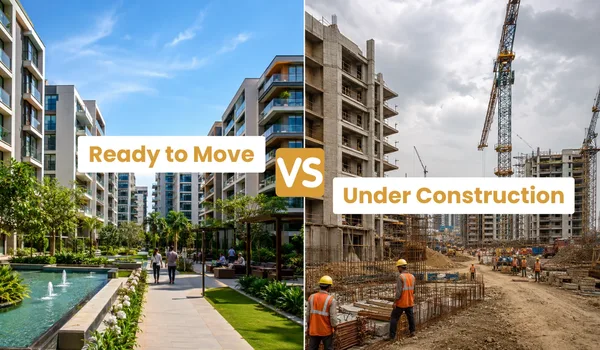
The RERA complaint and builder delay guide covers the statutory compensation process. The under-construction vs ready-to-move guide compares the financial trade-offs of each option including possession risk.
Bottom line: a builder delay extends the pre-EMI phase and increases accumulated pre-construction interest; K-RERA entitles you to compensation from the builder which a property lawyer can help you pursue.
Pre-Loan Checklist for Under-Construction Buyers
| Check | Why it matters |
|---|---|
| Is the project K-RERA registered and bank-approved? | Most banks disburse only for K-RERA registered projects; confirm before booking |
| Pre-EMI or full-EMI-from-first-tranche available? | Not all banks offer both options; confirm which structure applies to your sanction |
| Does the bank's tranche schedule match the CLP in your AFS? | Misalignment can create payment gaps or disputes between builder and bank |
| Is the rate floating (EBLR-linked) or fixed? | Floating rates reset with RBI repo rate changes; understand the impact on pre-EMI amounts over time |
| What is the process for submitting demand letters? | Banks require a demand letter and often a progress certificate before each tranche; clarify lead times with the bank |
| Is there a moratorium on full EMI after last tranche? | Some banks offer a short moratorium post-final disbursal; understand the terms before signing |
Prestige Whitefield: Financing an Under-Construction Purchase
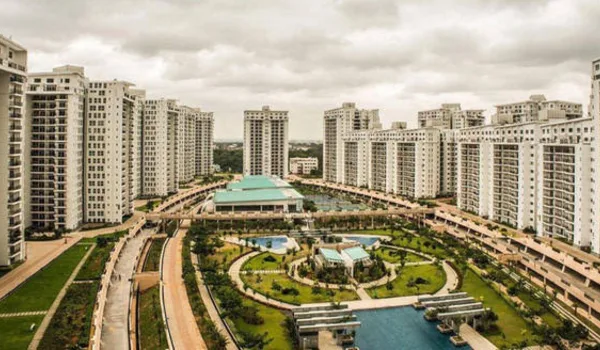
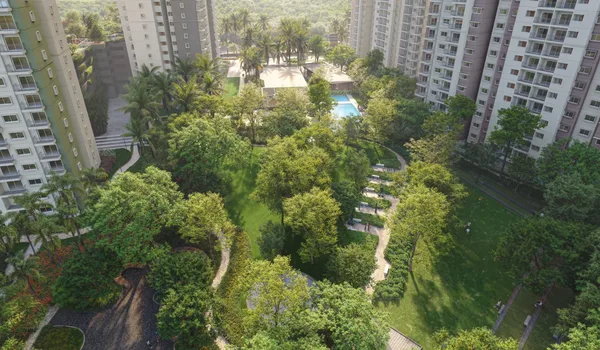
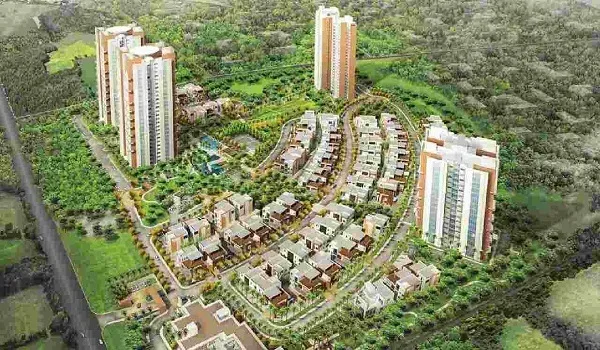
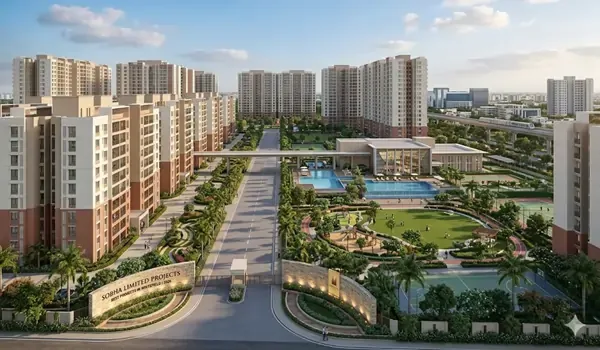
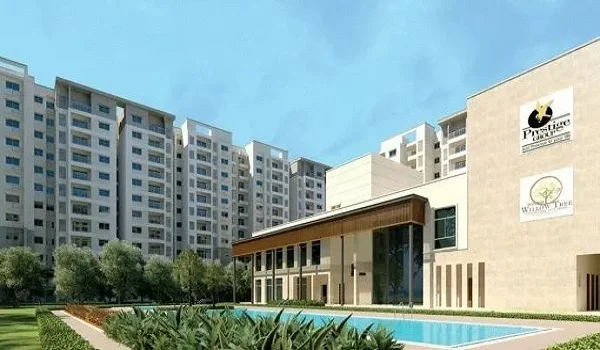
Prestige Whitefield by Prestige Group is an 18-acre integrated township in Whitefield. Buyers taking a home loan on an under-construction unit should discuss the pre-EMI and tranche disbursement structure with their lender at sanction, review the CLP in the agreement for sale carefully, and model the monthly outgo across the construction period with a CA before committing. For unit pricing and configuration details, see the price page and the Whitefield real estate guide.
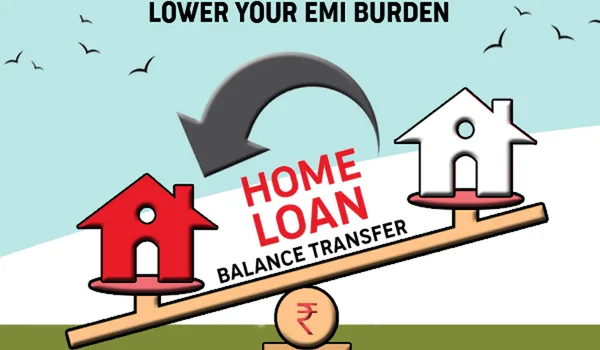
For buyers who already hold a home loan and want to refinance after possession, the home loan balance transfer and top-up guide explains when switching lenders makes financial sense.
Frequently Asked Questions
1. What is pre-EMI on a home loan for an under-construction apartment?
Pre-EMI is the interest-only payment on each loan tranche as it is disbursed; you pay interest only on the released amount, not the full sanctioned loan. Full EMI on the total loan starts after the last tranche is disbursed.
2. Can I claim a tax deduction on pre-EMI interest paid during construction?
Not in the year of payment. The total accumulated pre-construction interest is deducted in five equal annual instalments under Section 24(b) starting from the year of possession, subject to the Rs 2 lakh self-occupied cap. Confirm with a CA.
3. Should I choose pre-EMI or full EMI for my under-construction apartment loan?
Pre-EMI is lower monthly outgo and suits buyers also paying rent; full EMI from first tranche reduces total interest paid but requires higher outgo during construction. Choose based on your cash flow; discuss with your lender and CA.
4. What happens to my pre-EMI payments if the builder delays possession?
The pre-EMI phase extends and accumulated pre-construction interest grows. Under K-RERA Section 18, the builder owes you interest compensation for the delay period; consult a property lawyer about enforcing this.
5. When does the bank release loan tranches for an under-construction apartment?
Banks release tranches against builder demand letters tied to construction milestones (foundation, plinth, floor slabs, fitout, possession). The exact schedule is in your sanction letter and the CLP in your agreement for sale.
Conclusion
The pre-EMI phase of an under-construction home loan is often underplanned by buyers focused on the final EMI amount. Understanding that pre-EMI interest accumulates untaxed during construction and is recovered over five years post-possession, that a builder delay extends both the financial and tax cost of this period, and that K-RERA provides a compensation route for delays, allows you to make a better-informed decision. Model the full cash flow across the pre-EMI period with a CA, verify the tranche schedule in your agreement matches your bank's disbursement terms, and know your rights if possession is delayed. For the broader home loan acquisition guide, see the home loan and EMI guide, and for tax deductions on your loan, the home buyer tax benefits guide.
Prestige Whitefield Blog