Society & RWA Formation Guide for Whitefield Apartments 2026
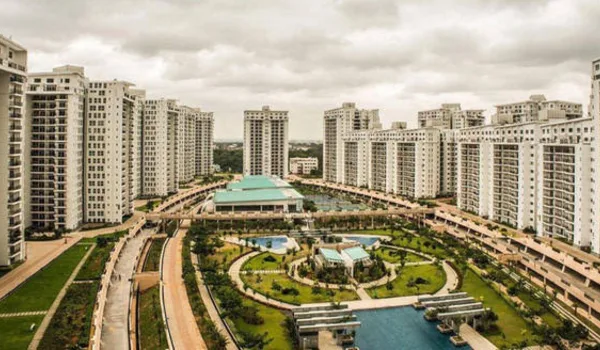
When enough residents have taken possession of their apartments in a Whitefield project, the community transitions from builder-managed to resident-governed. In Karnataka, this is done under the Karnataka Apartment Ownership Act 1972 (KAOA), which gives apartment owners the legal framework to form an Apartment Owners Association, also commonly called a Resident Welfare Association (RWA). This guide explains the formation process, what the builder must hand over, how maintenance charge authority transfers, and what residents can do if the builder delays the handover. For questions specific to your project, consult a property lawyer.
Key Stages of RWA Formation
| Stage | What happens |
|---|---|
| Builder management phase | Builder maintains common areas; residents pay builder-set maintenance charges |
| Eligible for formation | Once a sufficient number of owners are in possession (exact threshold under KAOA: consult a property lawyer for your project) |
| First general body meeting | Residents convene, elect a provisional committee and pass a resolution to form the association |
| Registration | Application filed with the Sub-Registrar under KAOA; documents include the declaration, bye-laws and list of apartment owners |
| Corpus and accounts handover | Builder transfers maintenance corpus, sinking fund and all project accounts to the registered association |
| Common-area handover | Builder hands over OC, as-built drawings, equipment manuals, service-contract details and keys to all common areas |
RWA vs AOA: What the Terms Mean
Both terms are in common use for the same purpose. Under the KAOA framework, the formal body is an Apartment Owners Association (AOA). Resident Welfare Association (RWA) is a colloquial term that covers both KAOA bodies and informal associations registered under the Karnataka Societies Registration Act 1960. The KAOA route gives stronger statutory rights in relation to the builder handover and is more appropriate for large projects with significant common-area assets. The Societies Act route is procedurally simpler but carries fewer statutory remedies against the developer. A property lawyer can advise which registration route fits your project.
Bottom line: for any project with a substantial clubhouse, pool or common-area infrastructure, the KAOA registration route is generally the stronger option.
What the Builder Must Hand Over
The handover of common areas and accounts is the most important step in the formation process. The builder should transfer all of the following to the registered association:
| Item | Notes |
|---|---|
| Occupancy Certificate and Completion Certificate | Original copies for the entire project |
| Sanctioned building plans and as-built drawings | Needed for any future structural changes or repair work |
| Maintenance corpus | One-time deposit collected from each flat owner at the time of sale; confirm the exact amount in your allotment letter |
| Sinking / corpus fund | Reserve fund for major future repairs; distinct from the monthly maintenance amount |
| Common-area equipment keys and operational control | Lifts, generator, pumps, STP, CCTV, gym and clubhouse |
| Active service contracts | AMC contracts for lifts and equipment, security agency details, utility connection documents |
Cross-check this list against the handover schedule in your project’s agreement for sale and demand written confirmation of each item transferred. The legal due diligence checklist covers the broader document framework from pre-booking onward.
Bottom line: insist on a written handover record signed by both builder and association representatives for every item in the table above.
Maintenance Charges After RWA Formation
During the builder-management phase, the builder sets the monthly maintenance charge. Once the association is registered, it passes a budget at the general body meeting and sets the charge per unit, typically expressed per square foot of super built-up area or per BHK depending on the project’s bye-laws. GST applies if the association is GST-registered and the charge per member per month exceeds Rs 7,500; confirm the current threshold and applicability with a CA, as the rules have evolved over time. Our maintenance and CAM charges guide covers the components of the monthly bill in detail.
Bottom line: once the RWA is formed, the general body sets the maintenance charge, not the builder; attend the AGM and participate in the budget process.
If the Builder Delays the Handover
If the builder does not cooperate with the common-area handover, residents can take the following steps in sequence. First, issue a written legal notice requesting the handover with a specific deadline; this creates a dated paper trail. Second, file a complaint with the competent authority under the KAOA if the builder does not comply. Third, if the project is RERA-registered, file a complaint with K-RERA citing the breach of the builder’s obligations under the agreement for sale. For adjudication-level disputes, engage a property lawyer. The possession and handover checklist covers the day-of-possession inspection process, which is the practical starting point before the RWA formation step.
Bottom line: all communication with the builder on the handover should be in writing; verbal assurances do not create enforceable obligations.
Prestige Whitefield Context
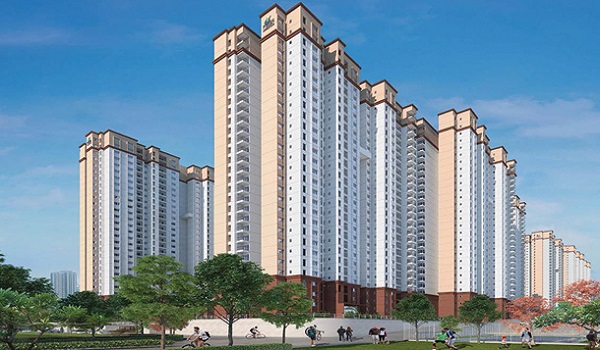
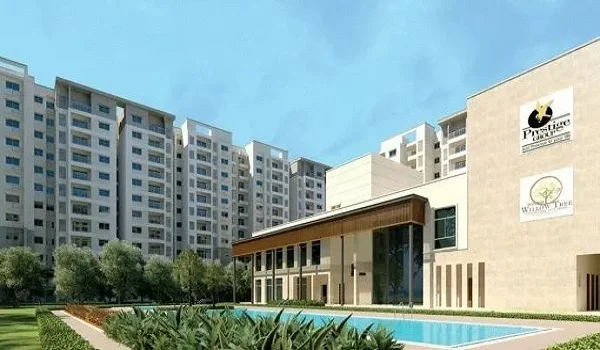
Prestige Whitefield, the 18-acre pre-launch project by Prestige Group on Varthur Road, will go through this lifecycle after possession. Buyers should track the RWA formation timeline, participate in the first AGM when called, and verify that the maintenance corpus they paid at booking is reflected correctly in the handover accounts. For the full purchase-to-possession journey, the first-time homebuyer’s checklist covers all six stages. The current entry price is on the price list and the complete buying context is in the Whitefield real estate guide.
Bottom line: start tracking the RWA formation timeline as soon as you receive possession; early participation in the first AGM protects your interests on corpus handover and charge-setting.
Frequently Asked Questions
1. What is the difference between an RWA and an AOA in an apartment complex?
Both refer to the governing body of apartment residents. An Apartment Owners Association (AOA) is the formal term under the Karnataka Apartment Ownership Act; Resident Welfare Association (RWA) is a colloquial name used for both KAOA bodies and associations registered under the Societies Act.
2. When can residents form their own association?
Under KAOA, residents can apply to register an Apartment Owners Association once a sufficient number of apartment owners are in possession. Consult a property lawyer for the exact threshold applicable to your project.
3. What does the builder hand over to the RWA?
The builder should transfer the Occupancy Certificate, as-built drawings, maintenance corpus, sinking fund, common-area equipment keys, service contracts and relevant property documents. Confirm this against your project’s agreement for sale.
4. Can the RWA change the monthly maintenance charges?
Yes. Once the association is registered, it has the authority to set maintenance charges through a general-body resolution. The builder’s rate applies only during the pre-formation period.
5. What if the builder refuses to hand over common areas?
Send a written legal notice first, then file a complaint with the KAOA competent authority. If the project is RERA-registered, a K-RERA complaint is also an option. Engage a property lawyer for formal proceedings.
Conclusion
The formation of an Apartment Owners Association is the moment a community stops being a builder’s project and starts being a resident-owned asset. Understanding the KAOA process, tracking the handover of the corpus and common-area documents, and participating in the first AGM are the steps that give residents control over their own maintenance costs, service contracts and community rules. If the builder delays, the written-notice and K-RERA complaint route provides a statutory remedy. The earlier residents organise, the smoother the transition from builder management to self-governance.
Prestige Whitefield Blog