First-Time Homebuyer's Checklist for Whitefield 2026

Buying a first home in Whitefield is a big financial step, and the order in which you do things matters as much as the choice of flat. Get the budget, the loan, the legal checks and the registration in the right sequence and the process is smooth; skip a step and problems surface at the worst time. This checklist walks a first-time buyer through the journey from budgeting to handover, with the Whitefield-specific points to watch.
Use it as a working list, not a lecture — tick each stage off before moving to the next.
Homebuyer Checklist — Quick Snapshot
| Stage | What to check | Note |
|---|---|---|
| 1. Budget & loan | Eligibility, down payment, all-in costs | Get a pre-approval first |
| 2. Shortlist & visit | Location, project, builder track record | Visit at different times of day |
| 3. Legal due diligence | Title, EC, khata, plan, RERA | Have a lawyer review |
| 4. Booking & agreement | Payment schedule, terms, dates | Read before you sign |
| 5. Registration | Stamp duty, registration, deed | At the sub-registrar |
| 6. Handover | Snag list, OC, khata, property tax | Inspect before you accept |
Step 1: Fix the Budget and Get Loan Pre-Approval
Before you fall for a show flat, know your number. Work out the down payment you can fund, then get a home-loan pre-approval so you know how much a lender will actually offer — this is usually a share of the property value, with the rest paid by you. Add the all-in costs on top: stamp duty and registration, GST if the home is under construction, and loan and legal fees. Our home loan and EMI guide covers eligibility and how the EMI is built. Buying within a realistic budget is the single best protection against stress later.
Bottom line: set the budget and secure a pre-approval before you shortlist — then match projects to that number.
Step 2: Shortlist and Visit
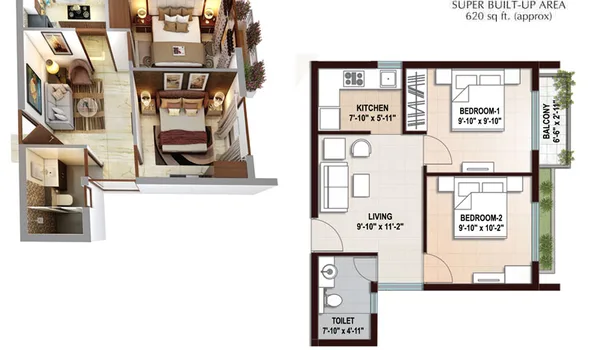
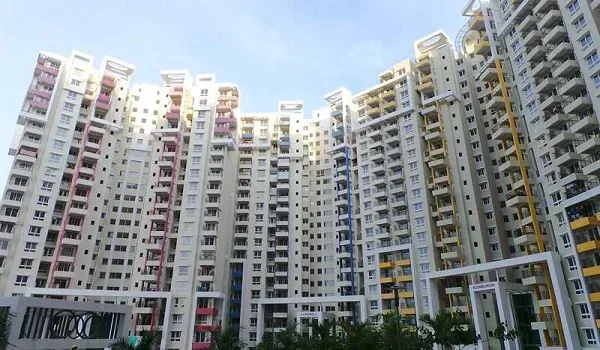
With a budget in hand, shortlist projects that fit — by location within the corridor, configuration, builder track record and stage of construction. Visit each in person, ideally at different times of day, to judge the commute, the surroundings and the actual unit rather than the brochure. Whitefield offers a full range, from the pre-launch Prestige Whitefield, an 18-acre, 10-tower community by Prestige Group with 1 to 4 BHK homes, to ready communities such as Prestige Lavender Fields and Prestige Shantiniketan. Compare entry prices on the price list and layouts on the floor plans.
Bottom line: shortlist to budget, then visit in person at different times before deciding.
Step 3: Legal Due Diligence
This is the step first-time buyers most often rush, and the one that matters most. Verify the title deed and the chain of ownership, obtain the encumbrance certificate confirming the property is free of loans or dues, and check the khata and the approved building plan. For an under-construction or pre-launch home, confirm the project's registration on the K-RERA portal; where a registration is still in process, get the position in writing before you commit. It is worth engaging a property lawyer to review the full set before any booking amount changes hands.
Bottom line: verify title, EC, khata, plan and RERA — and have a lawyer review before you pay anything.
Step 4: Booking and the Agreement
Once the legal checks pass, you book the unit and sign the sale agreement. Read the payment schedule, the possession timeline, the specifications and the cancellation terms carefully — these are the commitments you are bound by. For an under-construction home the payments are usually linked to construction stages; for a ready home the timeline is shorter. Do not sign under time pressure; a genuine project will let you take the agreement away to read.
Bottom line: read the payment schedule, timeline and terms in full before you sign the agreement.
Step 5: Registration and Charges
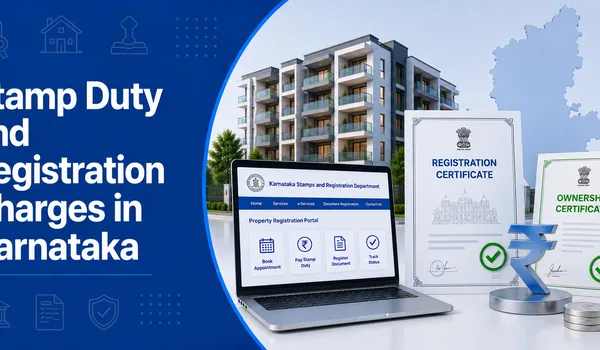
The purchase becomes legally yours when the sale deed is registered at the sub-registrar and stamp duty and registration are paid. Budget these statutory costs in cash and understand how they are calculated on the higher of the transaction and guidance value; our stamp duty and registration guide sets out the Karnataka slabs and a worked example. Keep the registered deed and every receipt safely — you will need them for the loan disbursal, khata and any future resale.
Bottom line: register the deed and pay stamp duty and registration — then safeguard the papers.
Step 6: Handover and After
At possession, inspect the flat thoroughly and prepare a snag list of anything to be fixed before you accept the keys; for a completed building, confirm the occupancy certificate is in place. After moving in, transfer the khata to your name and set up the annual BBMP property tax, plus the maintenance with the owners' association. For the wider corridor and market context, read the Whitefield real estate guide.
Bottom line: inspect before accepting, confirm the OC, then transfer the khata and set up property tax and maintenance.
Frequently Asked Questions
1. What should a first-time buyer check first?
Your budget and loan eligibility, before shortlisting. Get a pre-approval, factor in the down payment plus stamp duty, registration and any GST, and match projects to that number so the EMI stays comfortable.
2. What legal documents should I verify?
The title deed and chain of ownership, the encumbrance certificate, the khata, the approved building plan and the project's RERA registration. For an under-construction home, confirm the K-RERA details on the official portal, and have a lawyer review before you pay.
3. How do I check if a project is RERA registered?
Look it up on the Karnataka RERA portal by project name or registration number to see the status and filed details. If registration is still in process, confirm the position in writing before committing.
4. What costs beyond the price should I budget for?
Stamp duty and registration, GST if under construction, loan and legal fees, and recurring BBMP property tax and maintenance. Planning these upfront avoids a cash crunch at registration and after moving in.
5. Under-construction or ready-to-move?
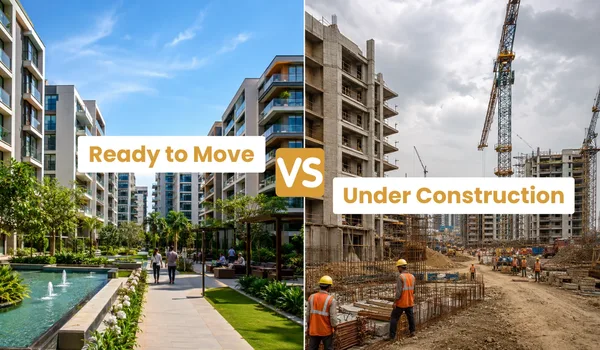
Both work; it depends on your timeline and risk comfort. Ready-to-move with an OC lets you verify the finished home, avoid GST and move in at once; under-construction or pre-launch can offer better pricing and payment flexibility. Verify RERA and the builder's record either way.
Conclusion
A first home in Whitefield is far less daunting when you take it in order: fix the budget and get a pre-approval, shortlist and visit, do the legal due diligence, read the agreement, register the deed and pay the statutory charges, then inspect at handover and settle the khata and property tax. Each step protects the next. Whether you choose the pre-launch Prestige Whitefield or a delivered Prestige community, verify RERA and the paperwork, budget the all-in costs, and lean on a property lawyer for the legal review — and the biggest purchase of your life will feel like a series of manageable decisions.
Prestige Whitefield Blog