RERA Complaint & Builder Delay Guide for Whitefield 2026

When a builder does not hand over possession on the date committed in the agreement for sale, the Real Estate (Regulation and Development) Act 2016 gives the buyer a clear set of statutory remedies. These protections apply to all projects registered with K-RERA, including under-construction projects in Whitefield. This guide covers what the law provides for compensation and refunds, how to file a complaint on the Karnataka RERA portal, and the practical steps that give you the best chance of resolution. For legal advice specific to your situation, engage a property lawyer.
What RERA Says About Delays (Section 18)
Section 18 of the Real Estate Act makes the remedy for delayed possession straightforward. If the promoter fails to complete the project or hand over possession by the committed date, the allottee has two options. First, stay in the project and receive interest on all amounts paid, calculated at the rate agreed in the agreement for sale, or at SBI’s marginal cost-based lending rate (MCLR) plus 2% per annum if no rate is specified, paid every month until possession is actually given. Second, exit the project entirely and receive a full refund of all amounts paid with the same interest, from the date of payment to the date of refund. The builder cannot cite project delays as the buyer’s problem; force-majeure defences under RERA are narrow and heavily scrutinised.
Bottom line: you are entitled to monthly interest for every month of delay, or a full refund with interest if you choose to exit.
Allottee Rights Under Section 19
Section 19 lists allottee rights that run alongside the Section 18 remedies. You have the right to receive regular updates from the promoter on construction progress and milestone completion. You have the right to take possession on the committed date, or claim a refund if that date is missed. You have the right to claim compensation for any loss caused by a defective title disclosed after the agreement is signed. You also have the right to invoke the five-year structural-defect liability: if a structural defect or workmanship deficiency is reported within five years of possession, the promoter must repair it at no cost to you. For what to inspect the day you take possession, our possession and handover checklist covers the room-by-room process.
Bottom line: your rights cover timely possession, compensation for defective title, and a five-year structural-defect warranty post handover.
Documents to Keep Safe from Day One
A RERA complaint is only as strong as the paper trail behind it. Organise these from the time you book.
| Document | When issued | Why it matters |
|---|---|---|
| Booking form and receipt | At booking | Establishes date and amount of first payment |
| Allotment letter | Shortly after booking | Names your flat, floor, total price and committed possession date |
| Agreement for sale | Usually within 60 days of booking | The primary legal contract; contains the committed date and delay-penalty clause |
| Demand letters | Each construction milestone | Records every payment call-up from the builder |
| Payment receipts | Each payment | Proof of amounts paid on specific dates |
| Builder correspondence | Ongoing | All emails and letters about delay or extension; keep originals and email threads |
How to File a K-RERA Complaint
To file a complaint against a RERA-registered project in Karnataka: visit the K-RERA portal, register as a complainant using your Aadhaar or PAN, complete Form G (the allottee complaint form), attach scanned copies of your key documents, and pay the prescribed filing fee. K-RERA has two separate forums: a conciliation forum for settlement-oriented resolution and an adjudicating officer for binding decisions. The complaint goes to conciliation first. Verify your project’s registration number and current status on the portal before filing, as complaints against unregistered projects follow a different track.
Bottom line: gather documents, register on the K-RERA portal, file Form G, and pay the filing fee to begin the process.
Conciliation vs Adjudication
RERA conciliation is an informal, facilitated negotiation between the allottee and the promoter, typically resolved within 15 to 30 working days if both parties participate in good faith. If both sides accept the outcome, the settlement is recorded and is binding. If the builder refuses to attend or no agreement is reached, the case moves to the adjudicating officer, who conducts a formal hearing, examines evidence from both sides, and issues a written order that can direct payment of compensation or refund. An appeal against the adjudicating officer’s order can be filed with the RERA Appellate Tribunal. For adjudication proceedings, engaging a property lawyer experienced in RERA matters is strongly recommended.
Bottom line: conciliation is faster and informal; adjudication is formal and binding; appeal lies with the Appellate Tribunal.
Practical Tips for Whitefield Buyers
Send all communication with the builder in writing via email, which creates a dated, searchable trail. Avoid verbal commitments on revised possession dates. File formal written queries on construction progress at regular intervals rather than waiting for the builder to volunteer updates. If you have a home loan on the property, inform your bank about the delay; the bank may also have contractual rights under the tripartite agreement. Keep the original signed agreement for sale in a safe place, not just a scanned copy. Read the legal due diligence checklist for the full document framework from the pre-booking stage, and the first-time homebuyer checklist for the end-to-end purchase process.
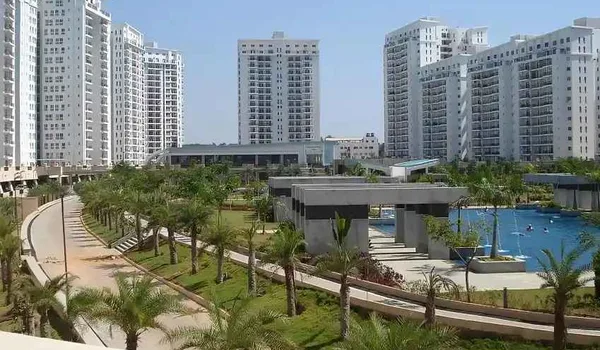
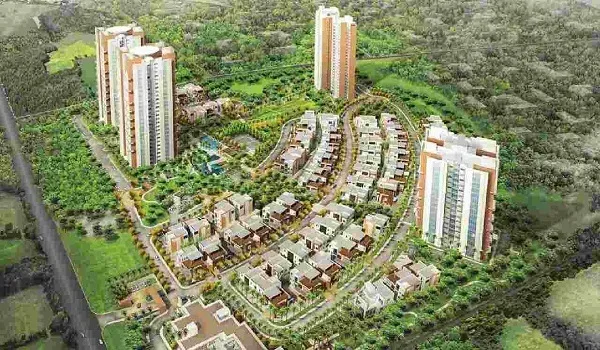
The lead pre-launch project in the locality, Prestige Whitefield, is an 18-acre, 10-tower development by Prestige Group on Varthur Road offering 1 to 4 BHK homes from about Rs 1.14 crore. Check the current entry price on the price list and read the wider Whitefield real estate guide for the full buying picture.
Bottom line: document everything in writing, know your Section 18 rights from the time you sign the agreement, and engage a property lawyer if the builder does not cooperate.
Frequently Asked Questions
1. How much compensation can I get for a possession delay?
Under Section 18, the builder pays interest at the agreed rate or at SBI MCLR plus 2% on all amounts paid, for every month of delay. Confirm the applicable rate in your agreement for sale.
2. Can I withdraw from the project if the delay is too long?
Yes. Section 18 allows you to cancel and claim a full refund with interest if possession is not given on the committed date. Confirm the withdrawal process with a property lawyer.
3. What documents do I need to file a K-RERA complaint?
You need your allotment letter, agreement for sale, booking receipts, demand letters, payment receipts, and written correspondence about the delay. Keep originals from the time of booking.
4. Is RERA conciliation binding?
If both parties accept the conciliation outcome, it is binding. If the builder refuses to cooperate, the matter moves to formal adjudication before the RERA adjudicating officer.
5. Can I continue with the purchase and still claim compensation for the delay?
Yes. You can choose to receive the flat and still claim Section 18 interest for the delay period. You cannot claim both a refund and possession for the same transaction.
Conclusion
RERA gives Whitefield apartment buyers a clear and enforceable remedy when a builder delays possession. Section 18 interest compensation covers every month the keys are late, and Section 19 gives you the right to exit with a full refund if you choose not to wait. Filing a K-RERA complaint is a structured process: gather your documents, register on the portal, file Form G, and let the conciliation or adjudication process run. The buyers who get the best outcomes keep meticulous paper trails from the day they book. Start with the agreement for sale, retain every payment receipt and email, and consult a property lawyer before choosing between compensation and refund.
Prestige Whitefield Blog