Property Tax (BBMP) Guide for Whitefield Apartments 2026

Stamp duty and registration are the costs a buyer plans for at purchase, but they are one-time. Property tax is the cost that returns every year. A Whitefield apartment sits within the limits of the Bruhat Bengaluru Mahanagara Palike (BBMP), so it attracts an annual BBMP property tax for as long as you own it. This guide explains how that tax is worked out, what changes it, and how to pay it — so a first-time owner is not surprised by the recurring bill.
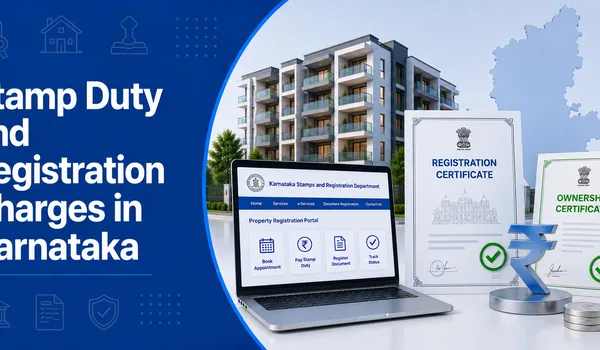
One thing to keep clear from the start: property tax is separate from the one-time stamp duty and registration charges you pay when you buy. Budget the two independently.
Annual Property Tax in Whitefield — Quick Snapshot
| Component | Basis | Note |
|---|---|---|
| Assessment method | Unit Area Value (UAV), self-assessed | Built-up area × zone rate per sq ft |
| Occupancy factor | Self-occupied vs rented | Rented homes are rated higher |
| Residential tax rate | Applied to taxable annual value | Plus a health cess on the tax |
| Early-payment rebate | Full-year payment in one instalment | Within the early window; late pay attracts interest |
| Where to pay | BBMP property tax portal | Zone rates revised periodically — confirm current figure |
How BBMP Works Out the Tax
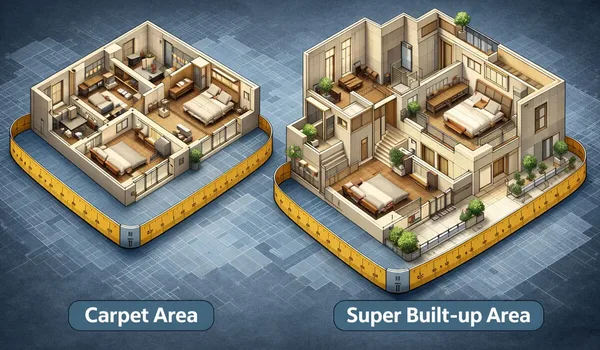
BBMP assesses residential property under the Unit Area Value (UAV) system, operated as a Self Assessment Scheme. Rather than valuing each flat individually, it fixes a per-square-foot rate for each zone and multiplies it by your apartment's built-up area to arrive at a taxable annual value. The residential rate is then applied to that value, and a health cess is added on top of the tax. Because the per-square-foot zone rate is revised from time to time, treat any figure you calculate as indicative and confirm the current zone rate on the BBMP property tax portal.
What this means in practice is that two flats of the same size in the same zone pay broadly the same tax, adjusted for a few factors covered below. You declare the details yourself under the self-assessment scheme, so the built-up area and occupancy status you enter must be accurate.
Bottom line: tax is built-up area × zone rate, plus cess — self-declared, so enter the correct area and status.
What Changes Your Bill: Occupancy and Age
Two factors move the number most. The first is occupancy: a self-occupied home is rated at a lower per-square-foot value than a tenanted one, so a rented flat generally pays more property tax than the same flat lived in by its owner. If you buy in Whitefield to let out — a common choice in this rental-heavy corridor — assess it as rented. The second is the age of the building, for which BBMP allows a depreciation adjustment, so an older resale apartment can carry a slightly lower taxable value than a brand-new one of the same size.
Beyond these, covered car-park area and any commercial use are assessed separately. For a straightforward self-occupied or rented residential flat, occupancy and age are the levers that matter.
Bottom line: rented flats pay more than self-occupied; older buildings get a depreciation adjustment.
Cess, Rebate and Late Payment
On top of the base property tax, BBMP adds a health cess calculated as a percentage of the tax itself, so your total bill is a little higher than the base figure. Working the other way, BBMP typically offers a rebate for paying the full financial year's tax in a single instalment within the early-payment window at the start of the year — a small but easy saving. Miss the window or pay in parts and you forgo the rebate; pay late and interest is charged on the overdue amount.
Because the exact cess percentage, rebate percentage and due dates are set each year, check the current numbers on the BBMP portal rather than assuming last year's figures still apply.
Bottom line: add cess to the base tax, pay in full early for the rebate, and avoid interest by not paying late.
An Illustrative Example
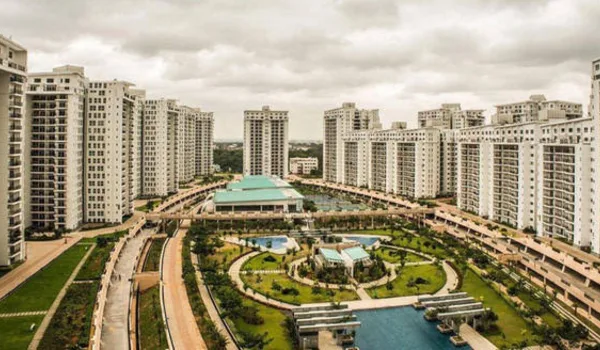
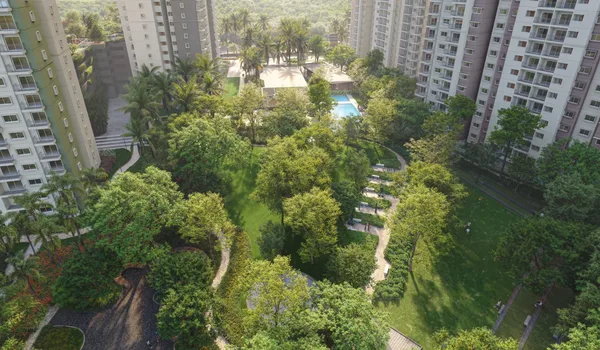
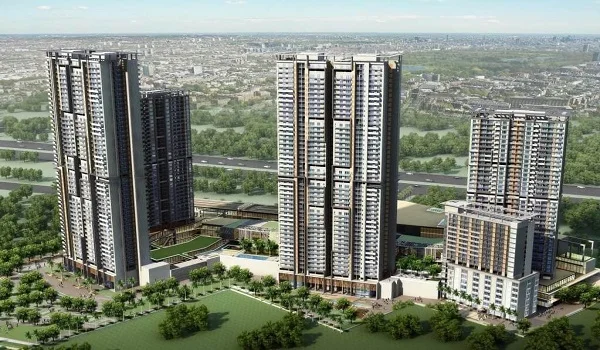
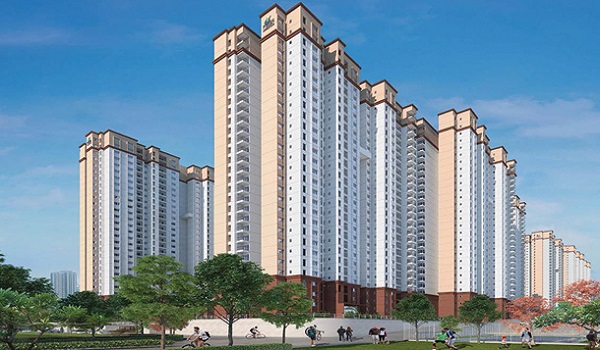
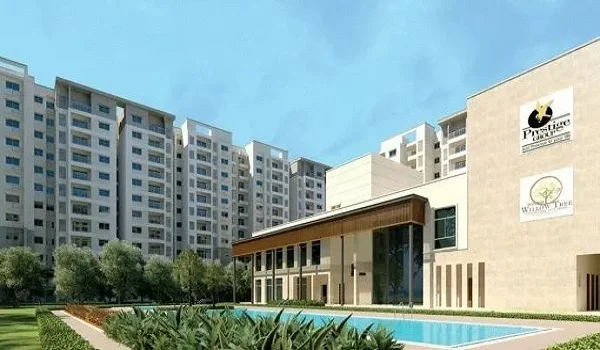
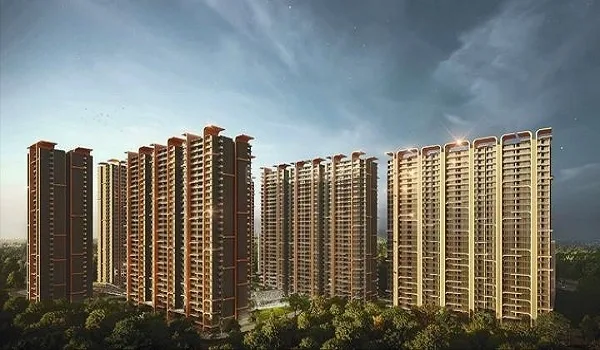
Take a mid-size home such as one at the lead pre-launch option, Prestige Whitefield, an 18-acre, 10-tower gated community by Prestige Group on Varthur Road, with 1 to 4 BHK homes and its K-RERA application in process. Suppose a 3 BHK has a built-up area of about 1,600 sq ft. Under the UAV method you would multiply that area by the current per-square-foot zone rate for its occupancy status, apply the residential rate, and add the health cess — arriving at an annual figure that typically runs to a few thousand rupees to the low tens of thousands for a large branded flat.
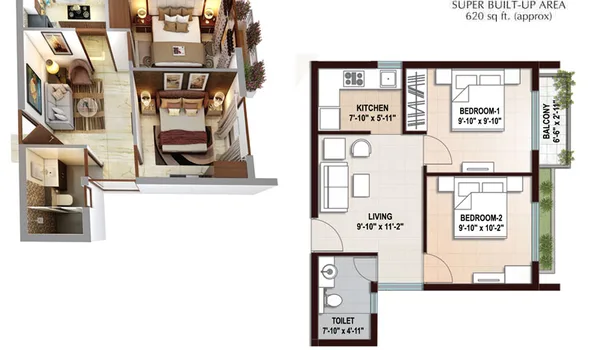
The precise amount depends entirely on the prevailing zone rate and whether the home is self-occupied or rented, which is why we deliberately avoid quoting a single rupee figure here. Use the BBMP portal's calculator with your exact area and status for an accurate number, and compare entry prices on the price list and layouts on the floor plans to know your built-up area. Ready communities such as Prestige Lavender Fields and Prestige Shantiniketan are assessed the same way, adjusted for age.
Bottom line: a large branded flat's annual tax is modest relative to price — compute it on the BBMP calculator with your exact area.
How and Where to Pay
Property tax for a Whitefield apartment is paid to BBMP, most easily online through the BBMP property tax portal using your property identification or SAS application number. You can also pay at a BBMP help centre or an authorised bank. Pay once a year within the early window to claim the rebate, download and keep the receipt, and hold on to it — you may need proof of paid property tax for a home loan, a khata update or a future resale. Read the wider corridor in the Whitefield real estate guide.
Bottom line: pay online on the BBMP portal each year, claim the rebate, and keep every receipt.
Frequently Asked Questions
1. How is BBMP property tax calculated for a Whitefield apartment?
BBMP uses the Unit Area Value system under self-assessment: built-up area multiplied by a per-square-foot zone rate, adjusted for self-occupied or rented status and building age, with the residential rate applied and a health cess added. Confirm the current zone rate on the BBMP portal.
2. Is BBMP property tax the same as stamp duty?
No. Stamp duty and registration are one-time charges at purchase; property tax is a recurring annual charge for as long as you own the flat. Budget them separately.
3. Does a self-occupied flat pay less than a rented one?
Yes. BBMP rates a self-occupied home lower than a tenanted one, so a rented apartment generally attracts higher annual tax than the same flat occupied by its owner. Declare the correct status.
4. Is there a rebate for paying early?
BBMP typically gives a rebate for paying the full year in one instalment within the early window, while late payment attracts interest. Check the current rebate percentage and due dates on the BBMP portal each year.
5. How do I pay BBMP property tax?
Online through the BBMP property tax portal using your property identification or SAS number, or at a BBMP help centre or authorised bank. Keep the paid receipt for your loan, khata and any future resale.
Conclusion
BBMP property tax is a small but permanent line in the cost of owning a Whitefield apartment — worked out from built-up area and a zone rate, nudged up for a rented flat and down for an older one, topped by a health cess, and reduced a little if you pay early. It is separate from the one-time stamp duty and registration you pay at purchase. Whether you buy the pre-launch Prestige Whitefield or a delivered Prestige community, compute the exact figure on the BBMP portal with your own area and occupancy status, pay in full within the early window each year, and keep the receipt.
Prestige Whitefield Blog