Gated Community Rules & Bye-Laws Guide for Whitefield Apartments 2026
Every Whitefield gated community operates under a set of bye-laws that govern how owners and residents use their apartments and the shared spaces around them. These rules cover everything from when you can do renovation work to whether you can keep a pet, list your flat on a short-term rental platform or bring guests for an overnight stay. Many buyers read the sale agreement carefully but skip the bye-laws entirely, discovering restrictions only after possession. This guide explains what apartment bye-laws are, what they typically cover and what to check before you buy. This is general information; consult a property lawyer for advice specific to your community.
What Are Apartment Bye-Laws and Who Creates Them?
Bye-laws are the internal rules that govern a residential apartment community. In Karnataka, the legal framework for apartment management is the Karnataka Apartment Ownership Act 1972 (KAOA), which provides a structure for how owners form an association and how the association is governed. Within that framework, the builder initially drafts a set of model bye-laws which are presented to buyers at the time of sale. Once the owners' association is formally constituted, typically after possession and the association's registration, the owners can review, adopt and amend these bye-laws at a general meeting. For K-RERA-registered projects, the builder must provide project documents including the proposed bye-laws as part of the registration disclosures.
The key distinction: bye-laws are NOT the same as the sale agreement or the building plan approvals. They govern daily co-living. They are also not static; the association can amend them through the process described below.
Bottom line: request and read the builder's model bye-laws before signing the sale agreement; what you find may affect whether the community suits your lifestyle.
Key Bye-Law Categories
| Category | What it typically covers | Key point for buyers |
|---|---|---|
| Security and access control | Visitor entry process, overnight guest rules, vehicle entry, entry-exit timing for service staff | Check whether the visitor management process suits your lifestyle (frequent guests, domestic help timing) |
| Pet policy | Whether pets are allowed, permitted breeds or sizes, leash rules in common areas, lift restrictions, waste disposal obligations | Do not assume pets are allowed; ask for the written pet policy before buying if you have pets |
| Renovation and alterations | Permitted hours for construction work, prior approval process for structural changes, noise restrictions, damage deposit requirement | Most communities permit renovation only on weekdays during daytime; weekends and festivals typically prohibited |
| Noise and nuisance | Quiet hours (typically 10pm-7am), common-area party restrictions, music limits in private units | Affects both owners planning events and those prioritising quiet |
| Parking | Whether allocated slots are exclusive-use, visitor parking rules, two-wheeler parking zones, restrictions on parking non-resident vehicles | Confirm whether your allocated slot can be given to a tenant and whether it is transferable on resale |
| Common area and amenity usage | Gym, pool and club timings, advance booking for event spaces, guest usage policy, dress code for pool areas | Affects both end-users planning daily use and investors whose tenants will use amenities |
| Sub-letting and short-term rental | Whether tenants are permitted, RWA intimation required for tenants, whether platforms like Airbnb are allowed or restricted | Many Whitefield communities require RWA intimation for all tenants; some restrict short-term rental explicitly |
| Waste management | Wet/dry/hazardous segregation at source, bulk waste disposal process, timing for placing waste outside the door | Fines for non-segregation apply in many communities; confirm requirements |
Pet Policy
The pet policy is one of the most common sources of post-possession conflict in Whitefield gated communities. Many communities permit pets but impose restrictions on breed, size, access to the lift, leash requirements and waste disposal. Some communities prohibit certain breeds outright. The key action for buyers who own pets is to ask for the current pet policy in writing before signing the sale agreement. Do not rely on a verbal assurance from a sales representative. Even if pets are currently permitted, the association may amend the policy in the future, so also check whether existing pet owners would be grandfathered in under an amendment or subject to the new rules.
Bottom line: get the pet policy in writing before buying if you have or plan to get a pet; verbal assurances are not binding.
Renovation Rules
Renovation in a gated community flat is governed by both the society's bye-laws and BBMP or local body building regulations. The bye-laws typically specify permitted working hours (commonly Monday to Saturday, 7am to 7pm, no Sundays or public holidays), a prior approval process for structural changes, a requirement to notify adjacent neighbours, and a refundable damage deposit for work that involves common-area access (moving materials through corridors, lift use for materials). Structural changes, which include breaking load-bearing walls, modifying plumbing stacks or altering the building facade, may require additional approvals beyond the society's permission.
Violations can result in fines, a stop-work notice from the association committee and in serious cases a requirement to reverse the unauthorised work at the owner's cost. Before starting any renovation in your Whitefield apartment, obtain written approval from the association if required and confirm the permitted hours and deposit process. The possession and handover snagging guide covers the inspection steps at the time you first take possession, before renovation begins.
Bottom line: renovation is restricted to specific hours and requires prior written approval for structural changes; violations can result in fines and a reversal instruction.
Sub-Letting and Short-Term Rental Restrictions
Most Whitefield gated communities require the owner to inform the RWA before a tenant moves in, and to submit the tenant's KYC documents. Beyond this, many community bye-laws explicitly restrict or prohibit short-term rentals, that is, listing the apartment on platforms such as Airbnb or MakeMyTrip Stays for night-by-night guests. The reasons cited are security (frequent unknown guests bypass the normal visitor management process), noise and the different lifestyle patterns of transient guests versus permanent residents.
If you are buying as an investor with plans to operate a short-term rental, check the bye-laws explicitly for any prohibition before committing to the purchase. Even if bye-laws are silent on this today, the association may introduce a restriction later. The short-term rental and Airbnb guide covers the society approval process, income tax treatment and investment comparison in detail.
Bottom line: many Whitefield communities restrict or prohibit short-term rentals through bye-laws; check the specific community's rules before purchasing for STR.
What to Ask Before Signing the Sale Agreement
| Question | Why it matters |
|---|---|
| Can you share the draft bye-laws for this project? | The baseline document; everything else is verbal unless the builder provides this |
| What is the pet policy? | Confirm in writing if you have or plan to keep pets |
| Are short-term rentals and Airbnb permitted? | Critical for investor buyers; the bye-laws or a future amendment may prohibit it |
| What are the renovation permitted hours? | Determines when you can carry out post-possession fit-out work |
| What is the visitor and overnight-guest policy? | Some communities have restrictions on extended stays by non-residents |
| Are there restrictions on the parking slot usage? | Some communities restrict subletting of parking slots or parking non-resident vehicles |
AGM Voting Rights and Participation
Every apartment owner in a KAOA-governed community has the right to attend and vote at the Annual General Meeting (AGM). The typical structure is one vote per apartment, regardless of size. Major decisions, including approval of maintenance budgets, election of the managing committee and amendment of bye-laws, require the prescribed quorum (typically 25-50% of apartment owners, confirm in your specific bye-laws). Owners who do not attend can sometimes grant a proxy vote to another owner, depending on the bye-laws.
Participating in AGMs is the primary way owners shape community governance. If you disagree with a rule or the way the committee is managing the community, the AGM is the formal mechanism to raise it and move a resolution. Tenants generally cannot vote at AGMs; voting rights rest with the registered apartment owner. Refer to the society and RWA formation guide for how the association is constituted and how AGMs work in Whitefield communities.
Bottom line: attend AGMs to participate in governance; it is the only formal mechanism to influence community rules as an owner.
Bye-Law Amendment Process
Bye-laws can be amended after the owners' association is constituted, through a resolution passed at an AGM or Extraordinary General Meeting (EGM) with the required majority (typically a simple majority or a specified supermajority, as defined in the bye-laws themselves). The amended bye-laws then bind all owners and residents, including those who voted against the change. This is why a buyer cannot permanently rely on the current bye-laws as a guarantee of future community rules; what is permitted today may be restricted after a majority vote by fellow owners.
Bottom line: bye-laws can be changed by the owners' association through a vote; today's permissions are not permanent guarantees.
Dispute Resolution
Bye-law disputes within the community follow a tiered process. The first step is a written complaint to the managing committee. If unresolved, the matter can be raised at an AGM. For disputes involving the owners' association's authority under KAOA, the Karnataka government has a designated competent authority under the Act. For disputes related to the building's construction quality, possession delays or RERA-related obligations of the builder, the appropriate forum is the Karnataka RERA authority, K-RERA. RERA disputes and bye-law disputes are separate tracks; do not conflate them. For complex matters, engage a property lawyer who understands KAOA and RERA Karnataka jurisdiction.
Bottom line: bye-law disputes go through the managing committee and KAOA authority; RERA-related builder disputes go to K-RERA; engage a property lawyer for complex matters.
Prestige Whitefield: Community Living
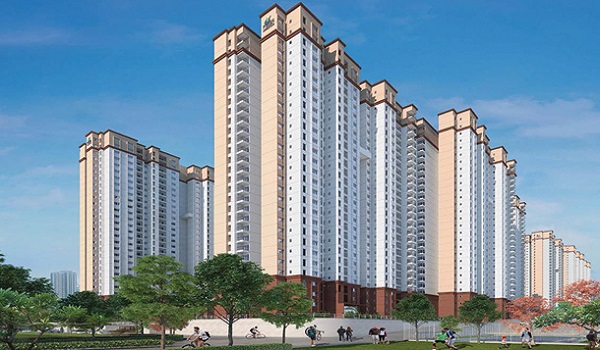
At Prestige Whitefield by Prestige Group, an 18-acre township in Whitefield, prospective buyers should request the project's model bye-laws and review them before signing. Community governance directly affects daily life, resale value and the ease of renting. For the amenities within the community, see the apartment amenities and clubhouse guide, and for pricing see the price page and the Whitefield guide.
Frequently Asked Questions
1. Can a Whitefield gated community ban pets completely?
Yes. The association can restrict or ban pets through bye-laws including breed and size limits; get the written pet policy before buying.
2. Can I renovate my Whitefield apartment at any time?
No. Most communities restrict work to weekday daytime hours and require written prior approval for structural changes; violations can result in fines.
3. What if I disagree with a bye-law rule in my society?
Raise it in writing with the managing committee first, then bring it to the AGM for a vote; consult a property lawyer if a legal right is involved.
4. Are apartment bye-laws legally binding on tenants?
Yes. Tenants are bound by bye-laws from move-in and the landlord is also responsible if a tenant violates them.
5. Can the builder change bye-laws after possession?
Not once the owners' association is formed; amendments then require a majority AGM vote under KAOA. Before the association is formed, the builder can modify them unilaterally.
Conclusion
Gated community bye-laws are not a formality: they define what you can and cannot do with your apartment every day, from when you can renovate to whether your pet can use the lift. Reading the model bye-laws before signing the sale agreement takes less than an hour and can prevent years of frustration. For the process of forming and running the owners' association that enforces these rules, the society and RWA formation guide covers the KAOA registration process, builder handover and AGM rights. If you are planning to rent your apartment, the tenant rental agreement guide covers what must go into the lease and how to onboard a tenant within society norms. For short-term rental considerations, the short-term rental and Airbnb guide covers society permissions, income tax treatment and how STR compares with traditional long-term rental in the Whitefield market.
Prestige Whitefield Blog