Unit Facing, Views & Orientation Guide for Whitefield Apartments 2026
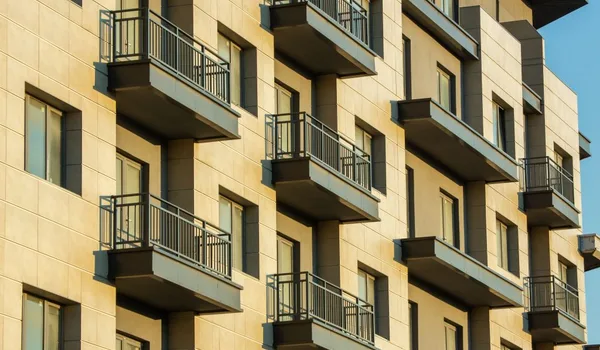
When choosing an apartment in Whitefield, buyers spend hours comparing floor, size, and price but often give less than five minutes to unit facing and orientation. Yet the direction your main windows and balcony face determines how much natural light enters your home, how much heat accumulates in summer, how well the flat ventilates, how usable the balcony is, and how pleasant or disruptive the view will be over the years. In Whitefield’s gated-community towers, where dozens of identical flats stack on top of each other, the facing of your unit is often the biggest differentiator between two units on the same floor at the same price, before the preferential location charge is applied.
Bangalore’s Climate and Why It Shapes the Facing Decision
Bangalore sits at approximately 13 degrees north latitude. The sun rises roughly in the east and sets roughly in the west, with seasonal variation north and south of true east/west. The city’s hottest months are March to May, when afternoon temperatures peak and west-facing walls and windows absorb the strongest heat. The monsoon runs from June to September, bringing relief. Winters (November to February) are pleasant and mild, making sun exposure a positive rather than a burden in those months. This seasonal pattern shapes how buyers should weigh each direction:
Bangalore’s summers make west-facing units noticeably warmer in the afternoons. Its mild winters mean south-facing warmth is less valued than in North Indian cities. East-facing units catch the morning sun and stay cooler through the hot afternoon, making them widely preferred. North-facing units have consistent indirect light throughout the day and are the coolest in summer.
The Four Directions Compared
| Facing | Sunlight pattern | Summer heat (Mar-May) | Natural ventilation | Typical buyer preference |
|---|---|---|---|---|
| East | Morning sun enters; cool and shaded by noon | Low to moderate heat load | Good when west-facing windows also exist; morning breeze in Whitefield tends to come from the east | High — widely preferred in Bangalore |
| West | Afternoon sun from around 1 pm until sunset | High heat load in summer afternoons; walls absorb and radiate heat into the evening | Can get afternoon breeze but heat offsets it | Lower — buyers often negotiate a discount or PLC waiver |
| North | Indirect light throughout the day; no direct sun in summer | Very low — the coolest orientation in summer | Good cross-ventilation when south windows also exist | High — especially for end-users sensitive to heat |
| South | More direct sun year-round at this latitude; warmer than north | Moderate — less harsh than west but more direct than north | Moderate; benefits in winter months | Medium — acceptable in most units, preferred in cooler months |
Bottom line: east and north facing are the most sought-after orientations in Whitefield’s market. West-facing units carry a genuine heat disadvantage in summer that a lower price or higher-floor view may partially offset. No orientation is universally bad, but the tradeoffs are real.
What Facing Actually Refers to in a Multi-Tower Project
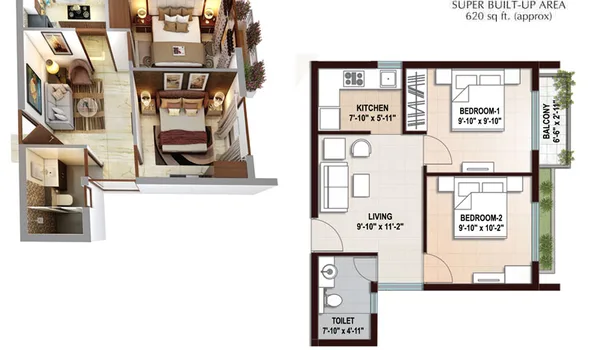
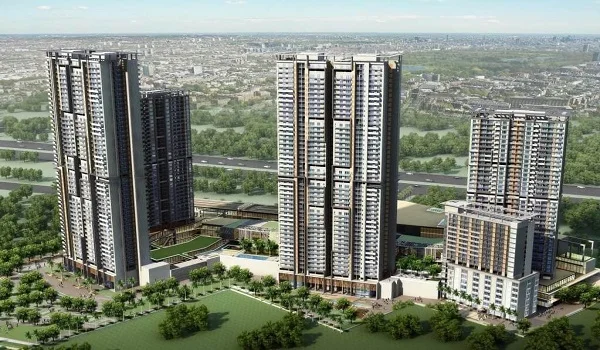
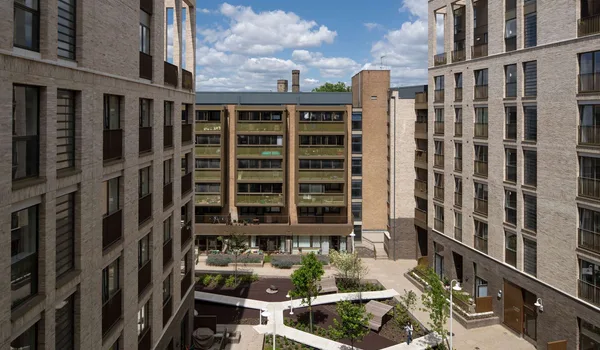
In Whitefield’s large gated community towers, "facing" typically refers to the direction the living room and main balcony face, since these are the primary light-receiving surfaces. The bedrooms may face a different direction depending on the floor plan. Before assuming a unit is "east-facing", ask which rooms face east: if it is the living room balcony, that is genuinely east-facing; if it is only a bedroom window, the benefit is limited. Also ask whether any adjacent building, tower, or podium wall will block the sun or view from your unit in the future. A high-floor east-facing unit in tower A may have its view blocked by tower B if the master plan shows towers close together.
The floor selection guide covers how floor interacts with facing: a low-floor west-facing unit is both hot and shadowed by adjacent structures, while a high-floor west-facing unit at least has an unobstructed view (though still hot). Floor and facing decisions are linked and should be evaluated together.
Bottom line: confirm which specific rooms face which direction, and whether adjacent towers, podiums, or future phases will obstruct the facing you are paying a PLC premium for.
View Type: Garden, Pool, Road and Tower-Facing
In addition to compass direction, the view type from the unit matters significantly for livability, privacy, noise and long-term resale:
| View type | Benefits | Drawbacks |
|---|---|---|
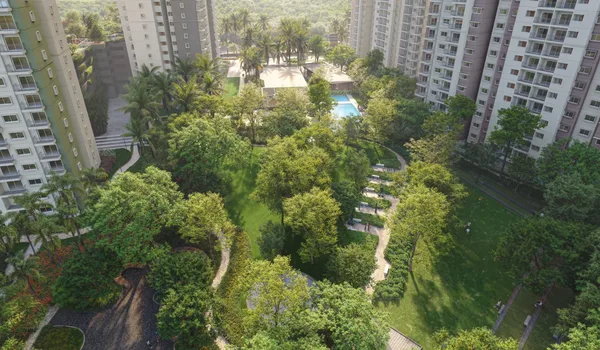
| Garden or landscaping | Green view, lower noise from within the community, feels more private | May attract mosquitoes depending on proximity to water bodies; ground-floor garden-facing units may lack privacy from walkers |
| Pool or amenity area | Attractive view, sense of openness | Noise from pool activity during weekends and evenings; privacy concern especially for lower floors |
| Road or entrance gate | Often good natural light; no building obstruction | Traffic noise, dust and headlight glare; lower desirability in resale |
| Adjacent tower | Usually lower PLC | Privacy loss from direct sightlines into another building; minimal natural light on lower floors |
| Open skyline or distance | Long views on high floors; cooler air circulation | More wind on very high floors; views can change if adjacent parcels are developed later |
Ask the developer about the masterplan of adjacent parcels. In Whitefield’s fast-developing corridor, a unit that currently faces an open field may face another building within three to five years. The apartment amenities guide covers how the positioning of amenity zones within a project affects which units face the pool, garden or sports courts.
Bottom line: garden and pool-facing units command the strongest resale demand; road-facing units typically carry a lower PLC but a real noise disadvantage; tower-facing low-floor units are the least desirable.
Preferential Location Charge: What You Pay for a Better Facing
A preferential location charge (PLC) is an additional per-square-foot amount that a builder charges for units considered more desirable due to floor, facing, view or proximity to amenities. In Whitefield’s gated projects, PLC typically applies on two axes: floor-rise (higher floors cost more per square foot) and facing or view premium (east-facing, garden-facing or corner units cost more than their west-facing or tower-facing counterparts).
The PLC rate is a builder’s commercial decision and varies by project. It must be clearly listed in the allotment letter, and you should confirm the exact PLC per square foot before signing the booking form. Do not assume facing premium is negotiable, but it sometimes is during the soft-launch phase of a new project, particularly if the unit has been unsold for several months.
To evaluate whether the facing PLC is worth paying, compare the incremental monthly cost (EMI on the PLC amount) against what a comparable unit would cost to cool with an additional month of AC usage in a west-facing flat. For most families, the east-facing PLC is worthwhile; for a pure investor renting to IT professionals, the west-facing unit at a lower PLC may offer a better yield-to-cost ratio if the rent difference is small. See the rental yield guide for how Whitefield’s IT tenant market values different unit types.
Bottom line: get the PLC rate in writing before booking; evaluate the incremental cost against the actual thermal and livability benefit for your use case.
How to Evaluate Facing on Your Site Visit
A paper floor plan does not tell you how much heat a west-facing unit accumulates at 3 pm in April, or how much noise a road-facing unit receives at rush hour. Make your site visit count by following these steps:
Visit at the problematic time: For a west-facing unit, visit between 2 pm and 4 pm in March or April. For an east-facing unit, visit at 8 am to see the morning sun quality. A midday visit misses both extremes.
Stand on the balcony and look at the master plan: Identify which adjacent plots are undeveloped, and ask the developer whether any future phases are planned on those plots. A garden-facing unit that faces a future tower in phase 3 is not a garden-facing unit in the long run.
Check cross-ventilation: Open the main balcony door and the bedroom window on the opposite side. Does air flow through? In Whitefield’s climate, natural cross-ventilation significantly reduces AC dependence and running cost.
Check privacy from adjacent towers: Stand at the kitchen window and bedroom window and note whether you can see directly into a neighboring unit. On low floors of towers built close together, this is a genuine concern.
The Vastu guide covers the cultural and directional preferences many buyers also factor into their facing decision, which often overlap with the practical preferences (east-facing entrance, northeast for pooja room) but are distinct from the thermal and ventilation considerations in this guide.
Bottom line: a second visit at the worst-case time for your chosen facing, combined with a review of the master plan and future phase positions, will tell you more than any floor plan or sales brochure.
Facing and Carpet Area: Corner Units
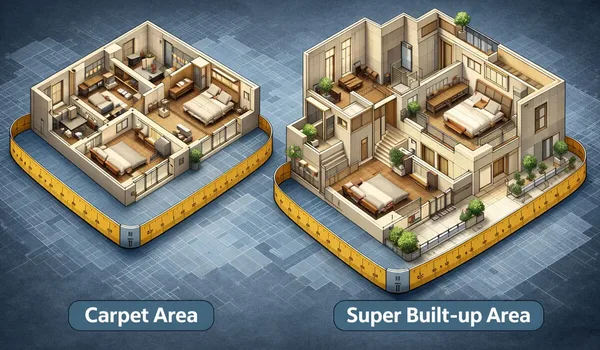
Corner units in Whitefield’s towers receive light from two sides and are generally considered the most desirable for natural light, cross-ventilation and privacy (no neighbor on one side). They typically carry the highest PLC and are the first units to sell in most projects. If you are considering a corner unit, verify the carpet area versus super built-up area carefully, as corner units sometimes have a higher loading factor due to more external wall area counted in the super built-up calculation.
Bottom line: corner units offer the best light and ventilation but carry the highest PLC; verify the carpet area loading factor before committing to the price per square foot.
Prestige Whitefield: Orientation and Views
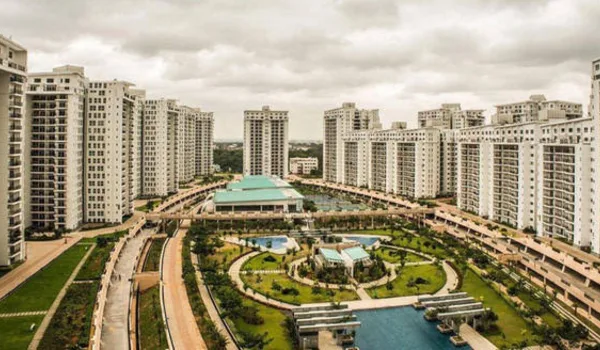
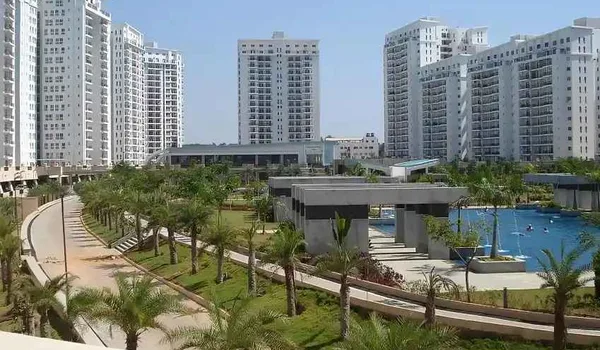
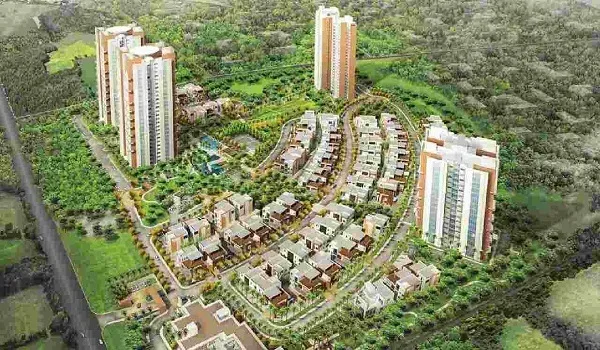
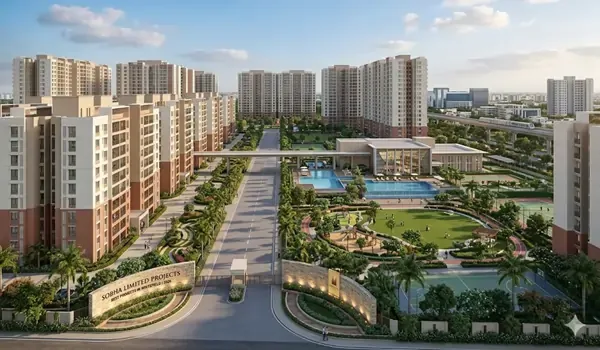
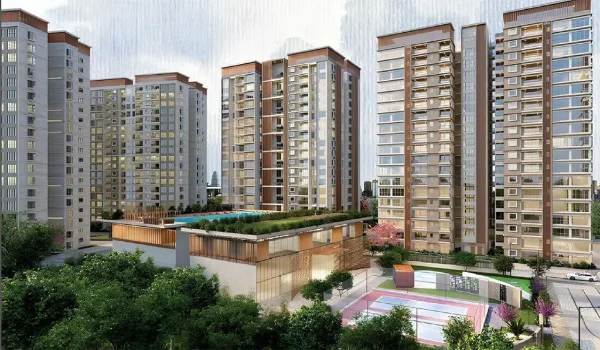
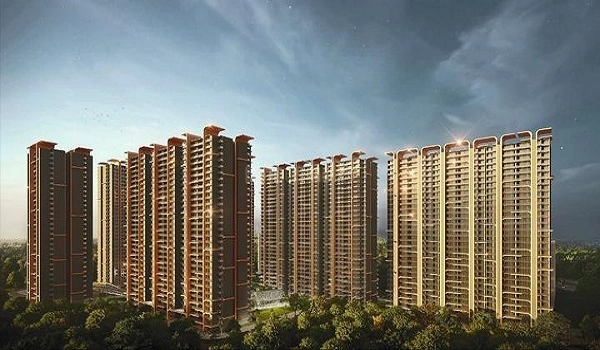
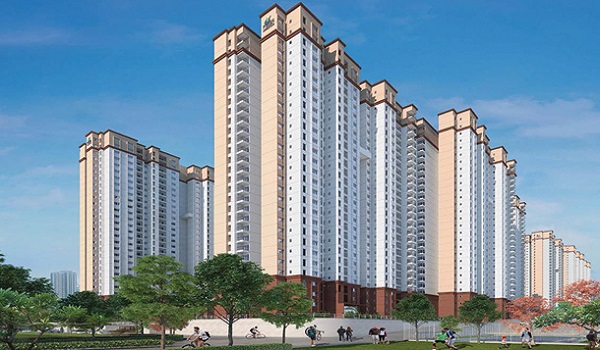
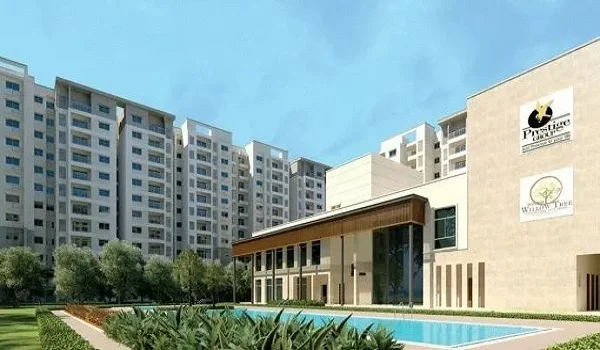
Prestige Whitefield by Prestige Group is a large-format 18-acre township in Whitefield with multiple towers. A multi-tower project at this scale typically offers a range of facing options across different towers and stacks. Before selecting your unit, ask the sales team for a detailed unit-facing specification per tower, the PLC schedule by floor and facing, the masterplan showing positions of all towers relative to each other and any planned future phases, and which units face the landscaped areas versus the internal roads or the perimeter. For current unit availability, floor plans and pricing, see the price page and the Whitefield guide for the full silo of buyer resources.
Frequently Asked Questions
1. Is east-facing the best apartment direction in Whitefield?
East-facing is widely preferred because it receives gentle morning sunlight and stays cool through Bangalore’s hot afternoons. However, the best facing depends on view type, building layout, and your usage, so visit the unit at the relevant time of day before deciding.
2. What is a preferential location charge and does it apply to unit facing?
A PLC is an additional per-square-foot charge for desirable facing or floor. East-facing and garden-facing units often carry a PLC; the exact rate must be confirmed in the allotment letter before booking.
3. Should I visit a flat in the morning or evening to check natural light?
For east-facing units, visit at 7-10 am to see the morning sun. For west-facing units, visit at 2-4 pm in summer to assess heat load. A midday visit works as a baseline but misses the extremes for each orientation.
4. Does unit facing affect resale value of a Whitefield apartment?
Yes. East-facing and garden or pool-facing units are more liquid in Whitefield’s resale market due to higher tenant and end-user demand. Road-facing or tower-facing units with heat and noise disadvantages may be harder to sell at full market rate.
5. Which balcony direction works best in Whitefield’s climate?
An east-facing balcony is the most usable year-round: cool, bright in the morning and shaded in the afternoon. A north-facing balcony is consistently cool. A west-facing balcony is hot and largely unusable on summer afternoons from March to May.
Conclusion
Unit facing is a permanent feature of your apartment that affects daily comfort, AC running costs, balcony usability, privacy and long-term resale demand. In Whitefield’s tropical climate, east and north facing strike the best balance of light and heat. West-facing units carry a real summer heat disadvantage that a price or PLC discount may not fully compensate for if you are an end-user. Garden or pool-facing views add desirability but come with their own noise and privacy tradeoffs. The right answer depends on your floor, the specific tower position in the masterplan, and whether you are buying for end-use or investment. Use your site visit to verify the practical reality, not just the compass direction on the floor plan. The floor selection guide and the Vastu guide together with this page give you a complete picture of the microunit-level decisions every Whitefield buyer should make before signing.
Prestige Whitefield Blog