Under-Construction vs Ready-to-Move Apartments in Whitefield 2026
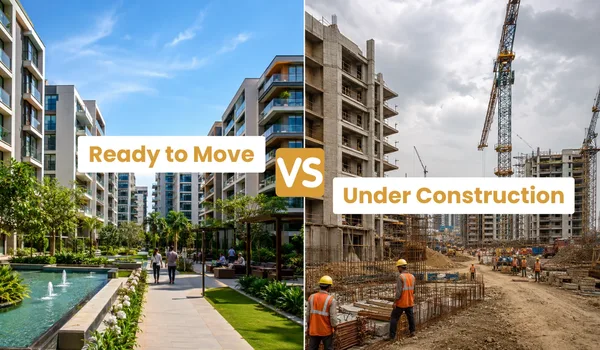
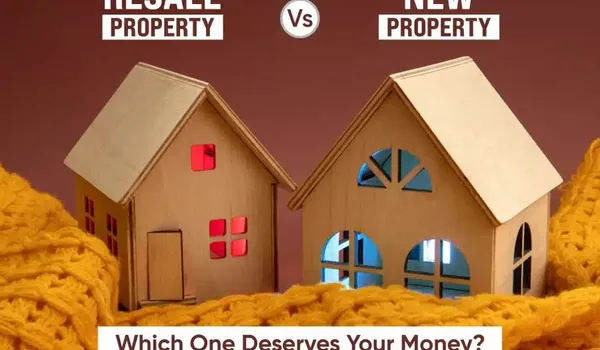
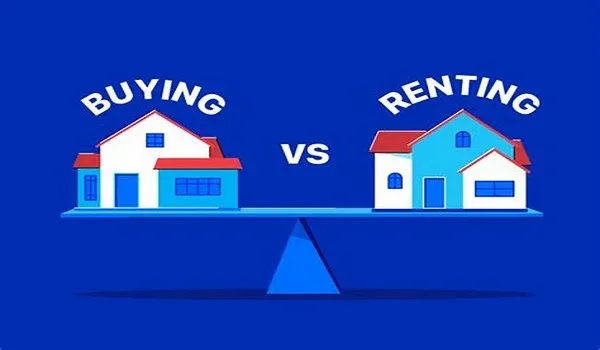
One of the first real forks in an apartment hunt in Whitefield is not the project — it is the construction stage. Do you buy an under-construction home, usually cheaper and with more choice of unit but a wait for possession, or a ready-to-move flat you can see, register and occupy at once for a higher price? Both are sound choices; they simply suit different buyers. This guide lays out the trade-offs — price, GST, possession risk, RERA protection and payment schedules — so you can pick the one that fits your budget and timeline rather than the one the brochure pushes hardest.
The Two Options at a Glance
| Factor | Under-Construction | Ready-to-Move |
|---|---|---|
| Entry price | Usually lower for an equivalent unit | Usually higher |
| Possession | Wait until completion & handover | Immediate |
| GST | Applies (commonly 5% without ITC, non-affordable) | Nil once the Occupancy Certificate is issued |
| Payment | Staged, linked to construction | Largely at registration |
| What you see | Show flat, plans & renders | The actual finished apartment |
| Choice of unit | Widest early in the launch | Limited to what is left |
| Main risk | Delivery timeline & developer track record | Fewer options; verify OC & title |
The Case for Under-Construction
Buying early in a project’s life is the value play. The entry price for an equivalent unit is typically lower than a comparable ready flat, and you get the widest choice of floor, view and layout before inventory thins out. The payment is spread across construction milestones rather than due upfront, which is easier on cash flow, and the newest launches carry the latest specifications and amenity design. The cost of these advantages is patience — you are buying a promise of future delivery — and GST, which applies to under-construction homes. It suits buyers who are not in a hurry to move, who want the best unit in a project, and who are comfortable verifying the developer before committing.
Bottom line: lower entry price, staged payments and the best pick of units — in exchange for a wait and GST.
The Case for Ready-to-Move
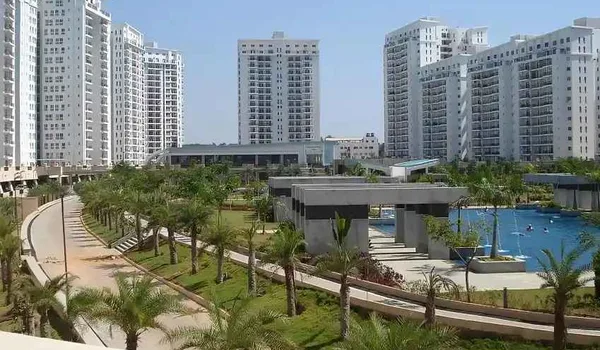
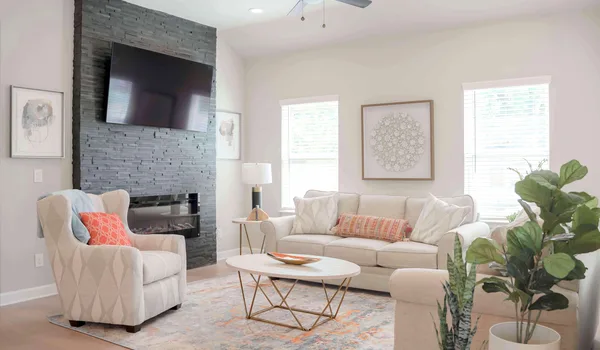
A ready home removes the biggest unknowns. You walk the actual apartment — not a render — check the light, finishes, view and build quality, and move in as soon as registration is done, so there is no gap where you pay both rent and a loan. A completed project that has its Occupancy Certificate does not attract GST, which offsets part of the higher headline price, and there is no delivery-timeline risk because the building already exists. The trade-offs are a higher entry price and a narrower choice of unit, since the best flats are often gone by completion. It suits buyers who need to move quickly, who want certainty over savings, or who are switching from rent and cannot carry both outflows for long.
Bottom line: see exactly what you buy, move in at once and pay no GST — at a higher price with less choice.
Price & GST — Compare the All-In Cost
The headline gap between the two is real but easy to overstate. Yes, an under-construction unit usually lists lower, but two things narrow the difference: GST on the under-construction home (commonly 5% without input tax credit for non-affordable housing), and the rent you keep paying while you wait for possession. A ready flat carries no GST once the Occupancy Certificate is in place, and you stop paying rent the day you move in. On the other hand, one-time buying costs such as stamp duty and registration apply to both — see our stamp duty and registration guide for those figures. The honest way to compare is all-in: base price, plus GST where it applies, plus the rent you will pay during the wait, against the higher price of the ready home. Because tax rules change, confirm the current GST rate and your project’s status with the developer and a tax adviser.
Bottom line: compare base price plus GST plus rent-during-wait, not just the sticker price.
Possession, RERA Protection & Financing
The delivery risk of an under-construction home is exactly what RERA is designed to contain. A registered project commits the developer to a completion timeline, requires buyer funds to be handled through a dedicated account, and gives buyers recourse if the schedule slips — you can verify a project’s status on the K-RERA portal. Even so, check the developer’s delivery track record, because RERA reduces risk rather than removing it. For a ready home, the diligence shifts to confirming the Occupancy Certificate and a clean title. Financing differs too: a ready home’s loan is usually disbursed in full at registration, while an under-construction loan is released in stages linked to construction, with pre-EMI interest on the drawn amount until full disbursal — our home loan and EMI guide explains that outflow. Whichever route you take, run the full legal and documents check before you sign, covered in our first-time homebuyer checklist.
Bottom line: RERA registration and a proven track record de-risk under-construction; OC and title verification de-risk ready homes.
How This Plays Out in Whitefield
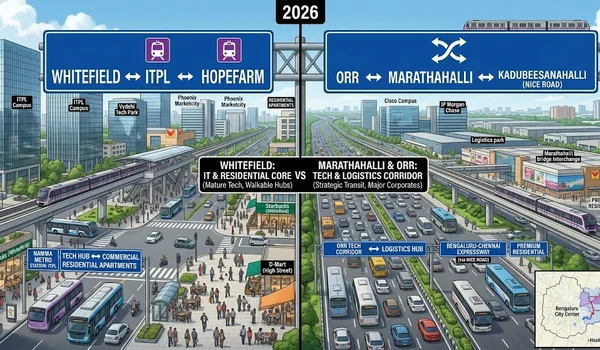
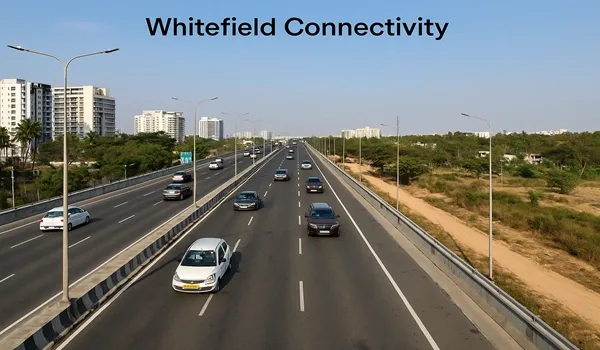
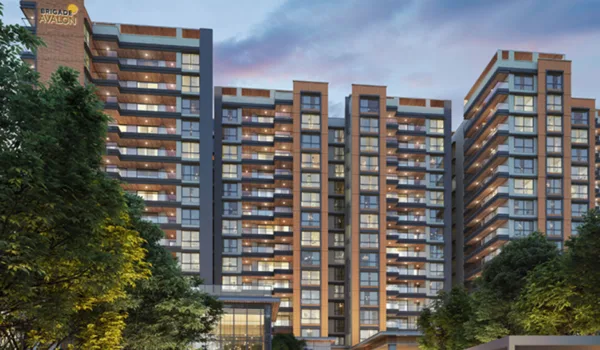
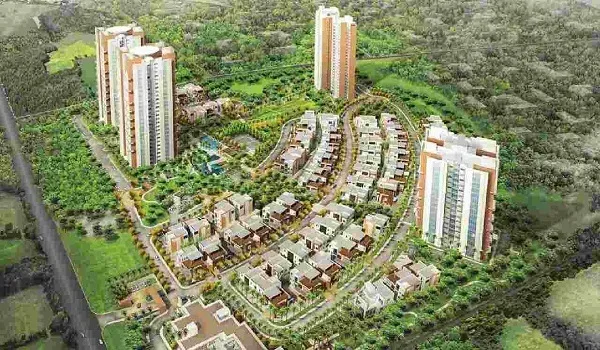
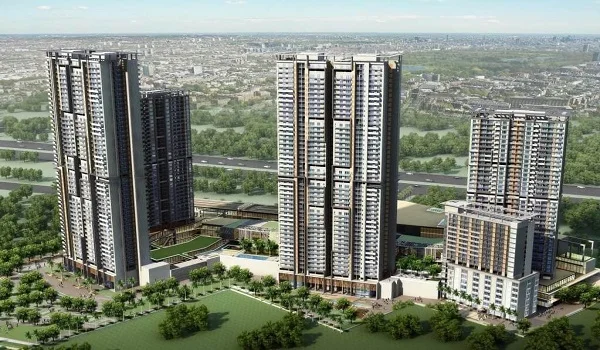
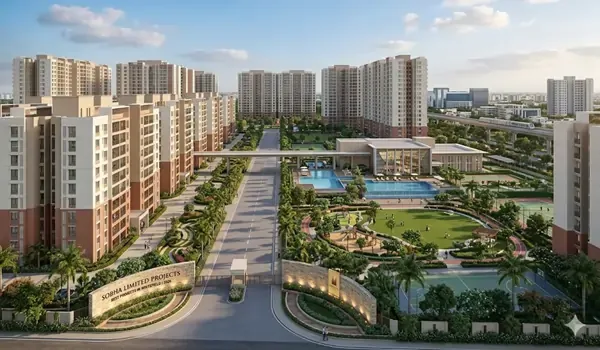
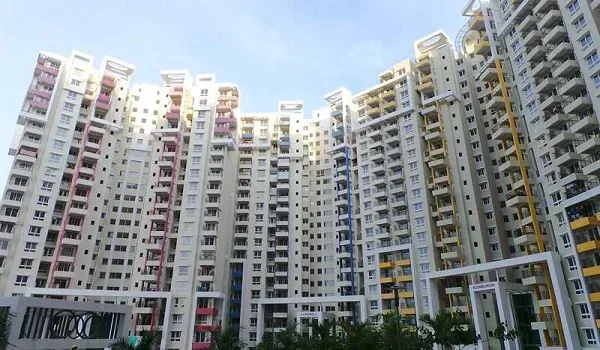
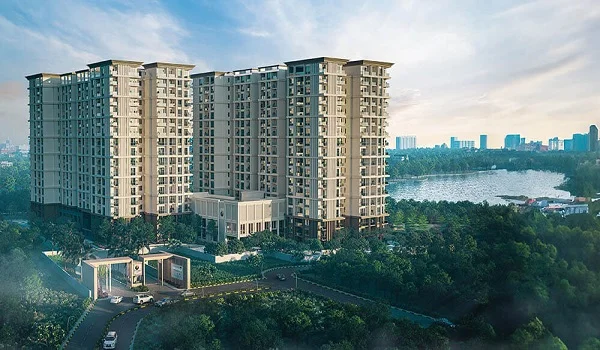
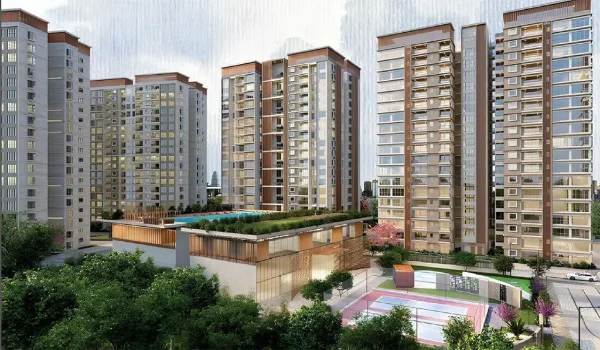
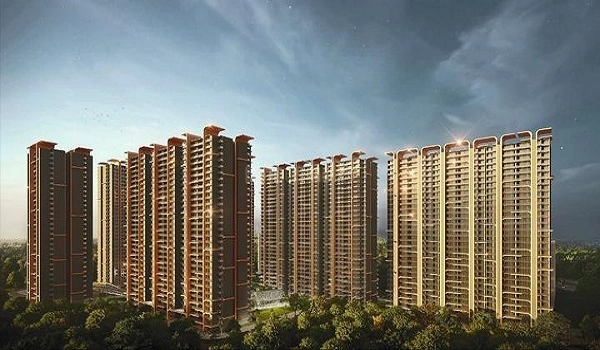
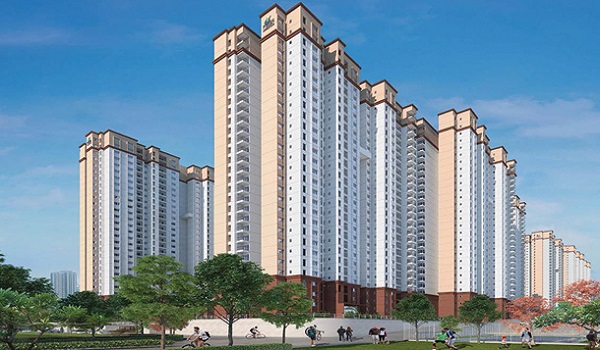
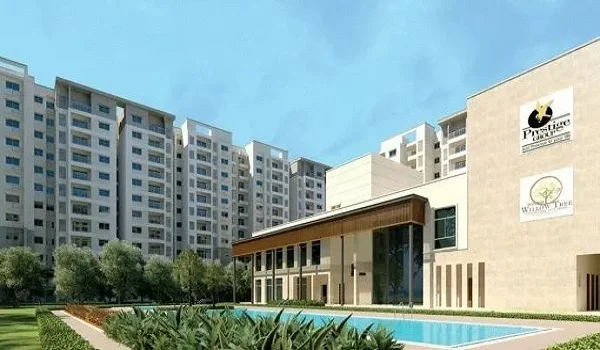
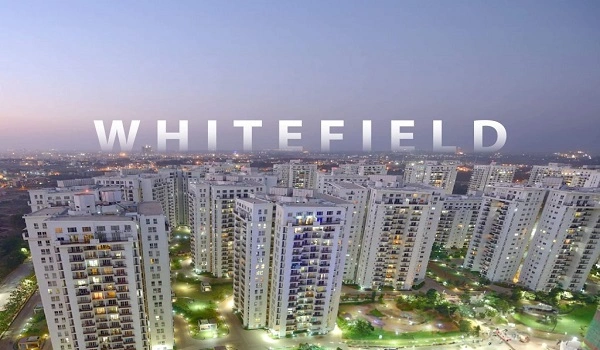
Whitefield offers both routes side by side. The lead under-construction option, Prestige Whitefield, is an 18-acre, 10-tower pre-launch community by Prestige Group on Varthur Road, offering 1 to 4 BHK homes from about ₹1.14 Crore with its K-RERA application in process — the early-stage value and unit choice described above. On the ready side, delivered communities such as Prestige Lavender Fields near Varthur and Prestige Shantiniketan let you inspect and occupy a finished home immediately; you can also browse the wider ready-to-move apartments list and the ongoing projects for what is under construction. Compare entry figures on the price list and layouts on the floor plans, and read the corridor in the Whitefield real estate guide.
Bottom line: both stages are available in Whitefield — choose by budget, move-in timeline and how much unit choice matters to you.
Frequently Asked Questions
1. Is it better to buy under-construction or ready-to-move in Whitefield?
It depends on your priorities. Under-construction usually costs less at entry, offers staged payments and the earliest choice of unit, but you wait for possession and rely on the developer delivering on time. Ready-to-move lets you see the actual flat, move in immediately and avoid GST once the Occupancy Certificate is issued, but costs more with less choice. Match the choice to your budget, timeline and appetite for waiting.
2. Do you pay GST on ready-to-move apartments in Whitefield?
A completed apartment sold after it receives its Occupancy Certificate is treated as immovable property and does not attract GST. An under-construction apartment does attract GST (commonly 5% without input tax credit for non-affordable homes). Because GST rules change, confirm the current rate and your project’s status with the developer and a tax adviser before you budget.
3. Is under-construction riskier than ready-to-move?
There is more to verify because you are buying a promise of future delivery. RERA registration reduces that risk by holding the developer to committed timelines, ring-fencing buyer funds and giving recourse for delays, but you should still check the developer’s delivery track record. A ready home carries less delivery risk because it already exists, though you must still verify the Occupancy Certificate and title.
4. Which is cheaper, under-construction or ready-to-move?
Under-construction usually carries a lower entry price than an equivalent ready flat in the same location, because the buyer takes on the wait and some delivery risk. However, GST on under-construction and the rent you pay while you wait can narrow the gap, so compare the all-in cost rather than the headline price.
5. Does a home loan work for both?
Yes. For a ready home the loan is usually disbursed in full at registration, while for an under-construction home the bank disburses in stages linked to construction, and you pay pre-EMI interest on the amount drawn until full disbursal. See our home loan and EMI guide for how this affects your outflow.
Conclusion
There is no universally right answer — only the right answer for your situation. If you value the lowest entry price, the widest choice of unit and staged payments, and you can wait, an under-construction home in a RERA-registered project with a strong developer makes sense. If you need certainty, want to see exactly what you are buying, and cannot carry rent and a loan together for long, a ready-to-move home with a valid Occupancy Certificate is the safer fit. Whitefield gives you both on the same corridor, so decide on the trade-off first, then shortlist the community — and always check the current price, floor plans and legal papers before you commit.
Prestige Whitefield Blog