Apartment Maintenance & CAM Charges Guide for Whitefield 2026

When buyers budget for a Whitefield apartment, they usually plan the price, the loan and the one-time registration cost — then forget the bill that arrives every single month. Maintenance, often called Common Area Maintenance or CAM, keeps a gated community running, and in a large amenity-rich project it is a real recurring cost of ownership. This guide explains what it covers, how it is charged, the sinking fund, who sets it, and when GST applies.
Maintenance is separate from the annual BBMP property tax you pay to the municipality and from the one-time stamp duty and registration at purchase. It is money paid to the society, not the government, for services you and your neighbours share.
What Maintenance Charges Cover — Quick Snapshot
| Head | What it pays for |
|---|---|
| Security | Guards, gate management, CCTV and access control |
| Housekeeping | Cleaning of lobbies, corridors, common toilets and grounds |
| Utilities (common) | Common-area lighting, water pumping, sewage treatment |
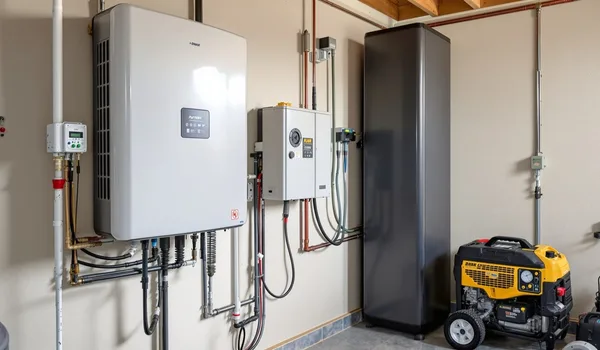
| Lifts & DG backup | Lift service contracts and diesel generator power backup |
| Amenities | Clubhouse, gym, pool, landscaping and play areas |
| Sinking fund | Reserve for major future repairs (usually separate) |
How the Charge Is Calculated
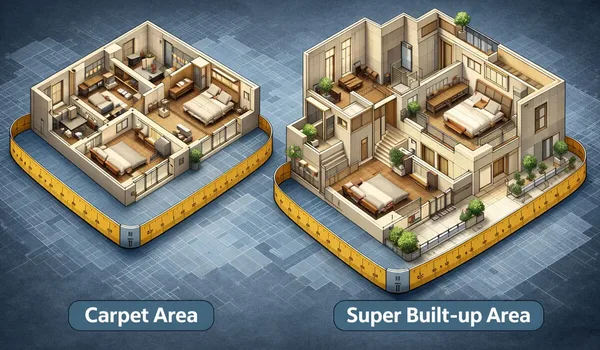
The most common model in Bengaluru gated communities is a rate per square foot of your apartment per month — so a larger home pays a larger bill. The exact rate varies widely by project, driven by how many amenities and staff the community carries; a compact low-amenity block costs less to run per square foot than a large development with a clubhouse, pool, generators and extensive landscaping. Some societies instead levy an equal per-flat charge regardless of size. Because the figure differs so much between projects, confirm the exact rate and method with the builder or the apartment owners’ association rather than assuming a market average.
As an illustration of method only: if a society charges a per-square-foot rate, a larger unit simply multiplies that rate by its area, so a 1,500 sq ft home pays more than a 1,000 sq ft one at the same rate. Ask for the current rate card in writing before you buy, and check whether it is expected to rise once the community is fully occupied.
Bottom line: most communities charge per square foot per month — get the exact current rate in writing from the builder or association.
The Sinking Fund (Corpus)
Beyond the monthly charge, most projects collect a sinking fund — sometimes called a corpus fund — as a reserve for large, infrequent expenses such as lift replacement, external painting, waterproofing or structural repair. It is commonly gathered as a one-time contribution at possession and topped up over time. Treat it as a separate line in your buying budget, because it is usually payable around handover along with advance maintenance and other move-in deposits.
Bottom line: budget the one-time sinking-fund and advance-maintenance deposits payable at possession, over and above the monthly charge.
Who Sets and Runs Maintenance
In the early phase after launch, the builder typically operates and sets maintenance, often through a facility-management arm. After handover, an apartment owners’ association or resident welfare association is formed and takes over, preparing the annual budget and setting the charge in line with the relevant apartment or society legislation. From that point owners approve the budget collectively, so the charge reflects what the community decides to spend — more amenities and higher service standards mean a higher bill.
This is worth checking during due diligence, which our first-time homebuyer’s checklist covers: ask whether the association has been formed, what the current charge is, and whether any dues are outstanding on a resale unit.
Bottom line: the builder sets it first, then the owners’ association — on a resale, verify no maintenance dues are pending.
When GST Applies to Maintenance
GST does not automatically apply to society maintenance. It comes in only where the monthly contribution per member exceeds a specified threshold and the association also crosses the GST registration turnover limit; where both conditions are met, GST is charged on the maintenance amount. Because the threshold figure and the rules are revised from time to time, confirm the current position with your association or a chartered accountant rather than assuming. For most modest per-flat charges the question does not arise, but in premium large-format homes it can.
Bottom line: GST hits maintenance only above a per-member threshold with a registered association — confirm the current rule before assuming it applies.
Maintenance in Whitefield’s Gated Communities
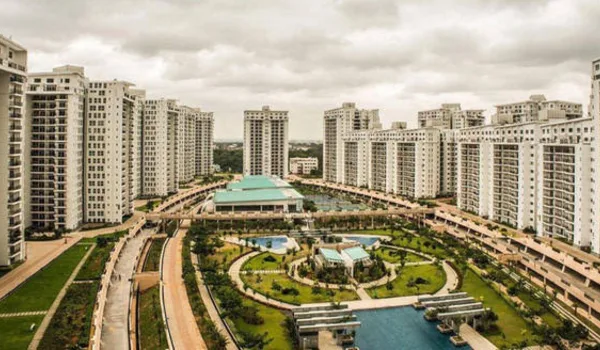
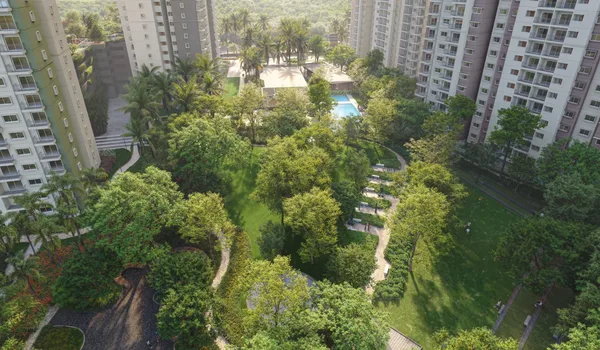
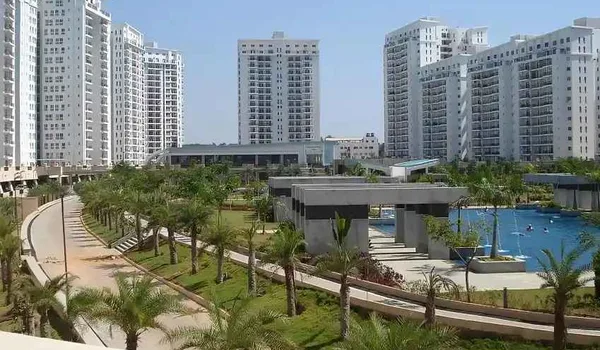
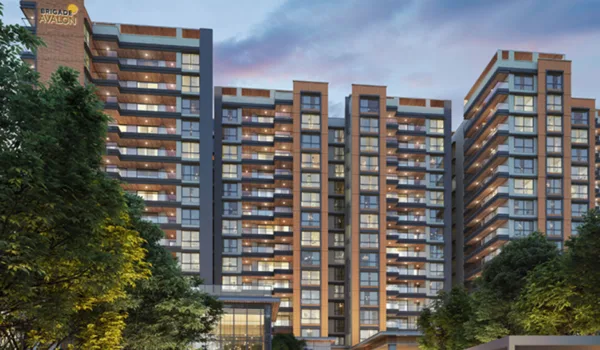
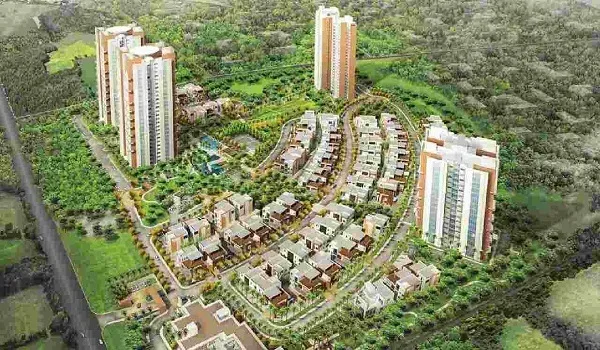
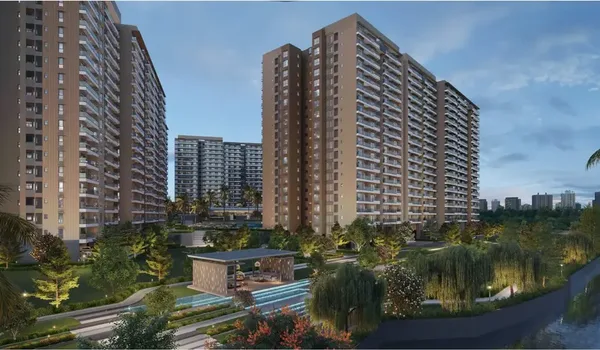
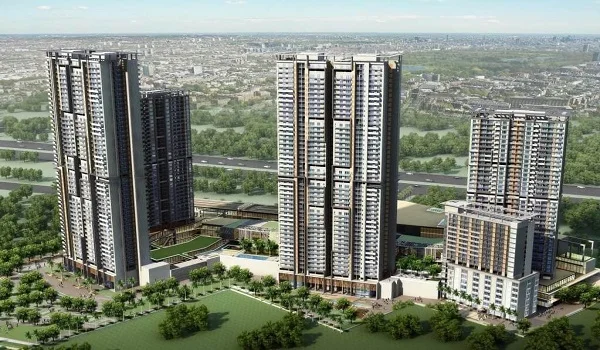
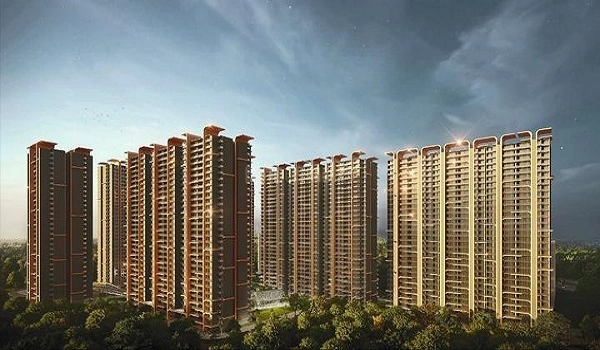
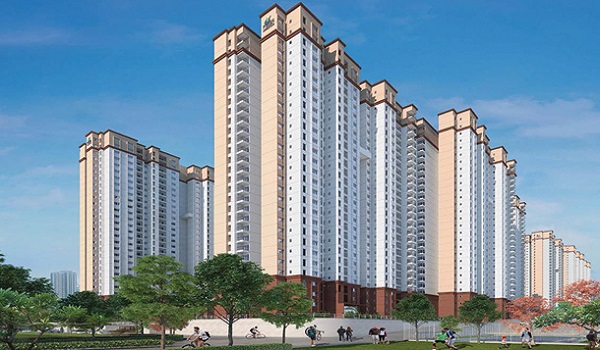
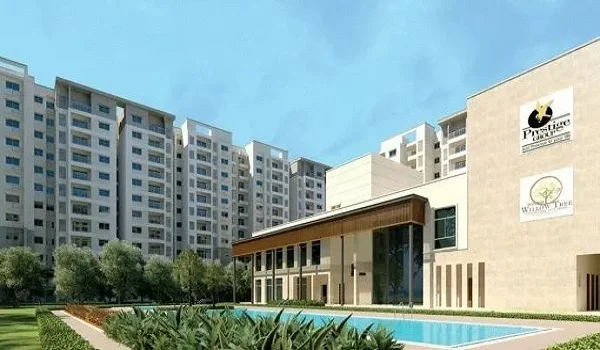
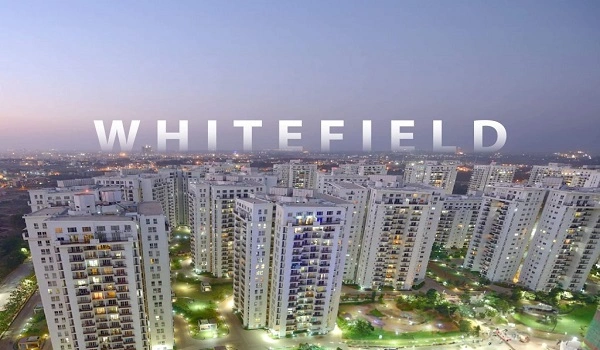
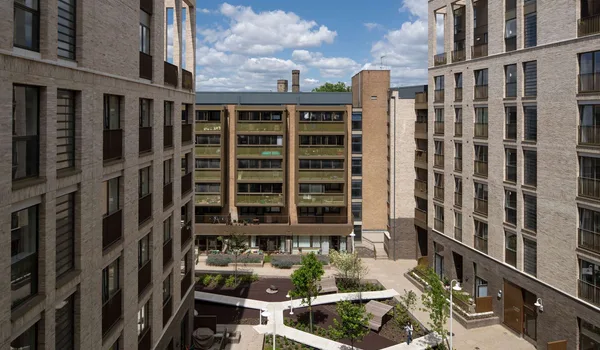
Whitefield’s branded developments are amenity-led, so maintenance funds a genuine service level. The lead pre-launch option, Prestige Whitefield, is an 18-acre, 10-tower gated community by Prestige Group on Varthur Road with 1 to 4 BHK homes from about ₹1.14 Crore and its K-RERA application in process; a community of that scale carries clubhouses, landscaping and backup infrastructure that the monthly charge supports. Ready communities such as Prestige Lavender Fields near Varthur and delivered projects like Prestige Shantiniketan already have established associations, so you can ask for the live rate directly.
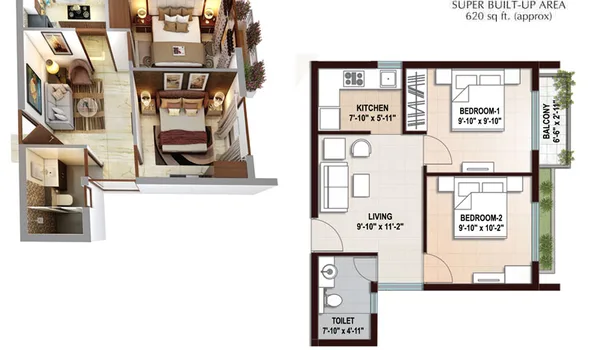
Before committing, compare entry prices on the price list and layouts on the floor plans — larger homes carry proportionately higher maintenance — and read the wider corridor in the Whitefield real estate guide.
Bottom line: amenity-rich communities justify a higher charge with service level — size your unit knowing maintenance scales with area.
Frequently Asked Questions
1. What do apartment maintenance charges cover?
They cover the upkeep of shared facilities: security, housekeeping, lift servicing, common-area electricity and water, diesel generator backup, clubhouse and gym, landscaping, water treatment and waste management. In a large gated community these shared services are substantial, which makes the monthly charge a real recurring cost of ownership.
2. How are maintenance charges calculated in Whitefield?
The most common model is a rate per square foot of the apartment per month, so a larger home pays more. Rates vary widely by project depending on amenities and staffing, and some societies instead use an equal per-flat charge. Confirm the exact rate and method with the builder or association for the specific project.
3. What is a sinking fund or corpus fund?
It is money set aside for major future expenses such as lift replacement, painting, waterproofing or structural repairs. It is often collected as a one-time contribution at possession and topped up over time, separate from the monthly maintenance that pays for day-to-day running.
4. Is GST charged on maintenance?
Only where the monthly contribution per member exceeds a specified threshold and the association crosses the GST registration turnover limit. Where both apply, GST is charged on the maintenance amount. As the threshold and rules change, confirm the current position with your association or a chartered accountant.
5. Who decides the maintenance charge after possession?
The builder typically sets it first. After handover an apartment owners’ association or resident welfare association is formed and takes over, setting the budget and charge under the relevant apartment or society law, with owners approving the budget collectively.
Conclusion
Maintenance and CAM charges are the quiet, permanent cost of apartment ownership — not a one-time fee but a monthly commitment that scales with your unit size and your community’s amenities, plus a one-time sinking fund at possession. Ask for the current rate card in writing, understand who sets it and whether GST applies, and factor it alongside property tax and your EMI. Whether you choose the pre-launch Prestige Whitefield or a ready Prestige community, check the live maintenance figure with the builder or association, and review the current price and floor plans before you commit.
Prestige Whitefield Blog