Rent vs Buy in Whitefield 2026
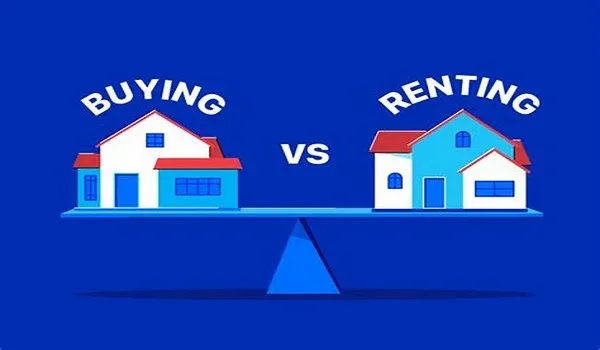
Few decisions divide professionals moving to Whitefield as sharply as whether to keep renting near the office or to buy a home in the corridor. Both are rational choices — the right one depends on how long you plan to stay, how ready your finances are, and how you value flexibility against ownership. This guide lays out the case for each side, a simple break-even view, and an illustrative comparison so you can frame the maths for your own situation.
One thing to settle first: buying is not automatically “better” because rent “feels wasted.” Buying carries large one-time costs and ties up capital, while renting keeps you mobile and liquid. The honest answer is that each wins under different conditions, which the sections below spell out.
Rent vs Buy in Whitefield — Quick Snapshot
| Factor | Renting | Buying |
|---|---|---|
| Upfront cash | Deposit + a month or two of rent | Down payment + stamp duty, registration & GST |
| Flexibility | High — move on notice | Low — selling takes time |
| Monthly outgo | Rent (and it rises over time) | EMI (fixed-ish) + maintenance + tax |
| Wealth effect | No equity built | Builds equity; exposure to price moves |
| Best when | Short/uncertain stay | Long stay, stable income |
The Case for Renting
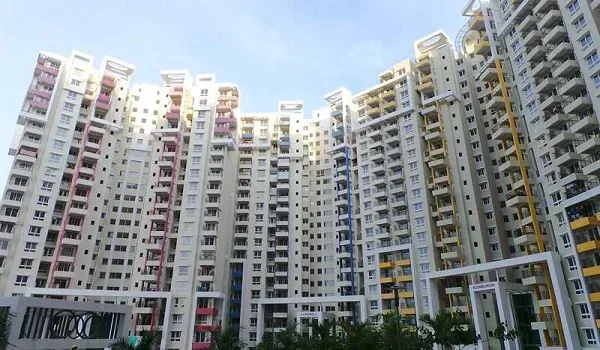
Renting suits anyone whose next few years are uncertain — a possible job switch, a transfer, or simply not being sure Whitefield is the long-term base. A 2 BHK in a Whitefield gated community commonly rents in the region of about ₹30,000 a month, which is far less cash than the down payment plus statutory charges a purchase demands. That preserved capital can stay invested and liquid.
Renting also outsources risk. The landlord carries property tax, major repairs and the price of a soft market. You keep the freedom to upgrade, downsize or relocate on a month or two of notice. For a two or three year horizon, renting is very often the financially sound choice.
Bottom line: if your stay is short or uncertain, renting keeps you flexible and your capital free.
The Case for Buying
Buying rewards people who plan to stay put. Each EMI repays part of the loan principal, so a share of the monthly outgo builds equity rather than disappearing as rent. Over a long hold you also gain exposure to any appreciation in a maturing IT corridor, and you gain the stability of not facing annual rent hikes or a landlord’s decision to sell.
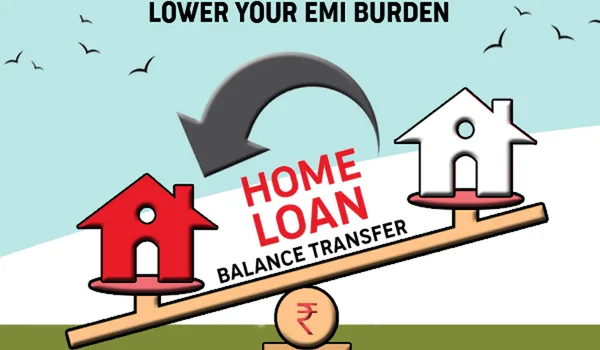
A home loan can also carry tax deductions on interest and principal under the relevant sections of the Income Tax Act — though the value depends on your income and tax regime, so confirm your position with a chartered accountant. For financing mechanics, see our home loan & EMI guide; if you are letting the home instead, our rental yield & ROI guide covers the investor angle.
Bottom line: if you will stay for years and your income is stable, buying turns housing spend into equity.
Illustrative: EMI vs Rent
The numbers below are an illustration to show method, not a rate quote or an offer. Assume a home around ₹1.14 Crore, a roughly ₹90 lakh loan after down payment, an assumed 8.5 percent rate over 20 years, and rent of about ₹30,000 for a comparable unit.
| Item | Rent route | Buy route (illustrative) |
|---|---|---|
| Monthly housing outgo | ~₹30,000 rent | ~₹74,000 EMI + maintenance |
| Builds equity? | No | Yes — principal repaid each month |
| Upfront | ~2–3 months deposit | Down payment + ~₹7.5 lakh statutory |
| Exposure to prices | None | Full — up or down |
The EMI clearly exceeds the rent in the early years, but a large part of it repays principal, and rent rises over time while the loan balance falls. The buy route usually pulls ahead once you hold long enough for equity and any appreciation to outweigh the one-time costs. Recreate this with your own figures — the point is the method, not these placeholder numbers.
Bottom line: compare rent against the EMI’s interest-plus-costs portion, not the full EMI — principal is savings, not expense.
The Break-Even View
Because buying front-loads big one-time costs — stamp duty, registration and, on under-construction homes, GST — the longer you hold, the more those costs spread out. A common rule of thumb is that buying tends to win over a five to seven year horizon or more. Under that, renting often keeps you ahead. Your real break-even depends on the purchase price, the loan rate, the rent avoided and how prices move, so run it for your own case before deciding.
Also budget the recurring costs of ownership that renters skip: annual BBMP property tax, monthly maintenance and CAM charges, and the one-time stamp duty and registration at purchase. These do not make buying wrong — they simply belong in the comparison.
Bottom line: the longer your horizon, the more buying’s one-time costs dilute — five to seven years is a useful guide.
If You Decide to Buy in Whitefield
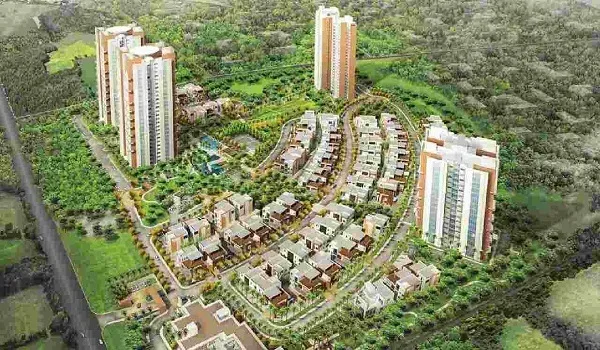
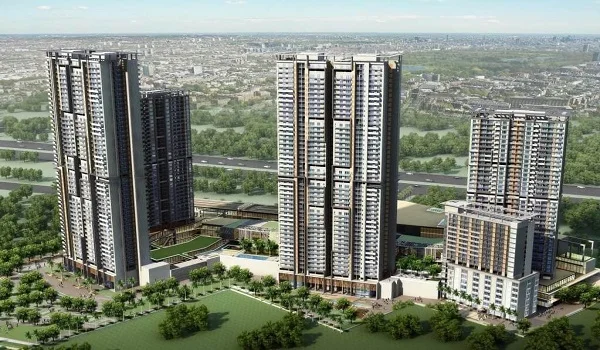
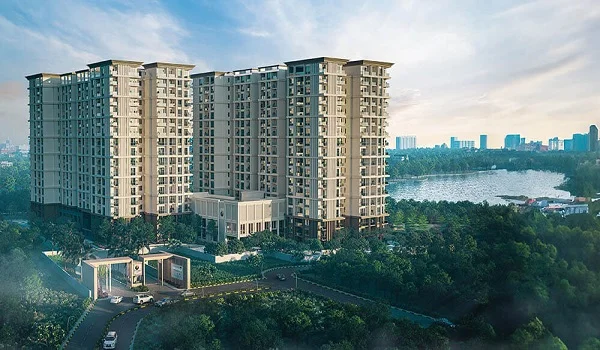
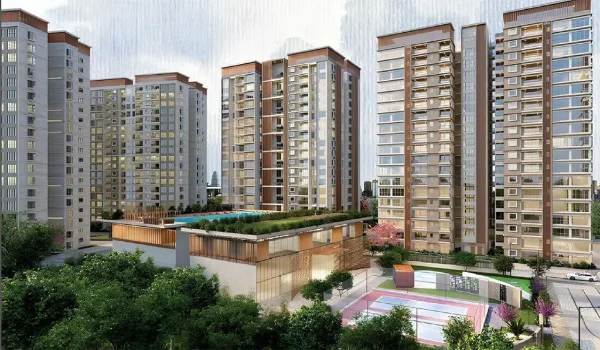
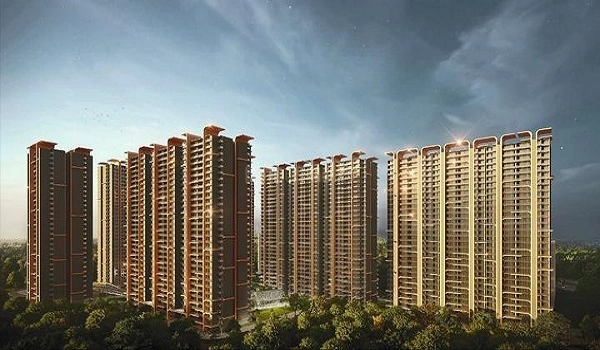
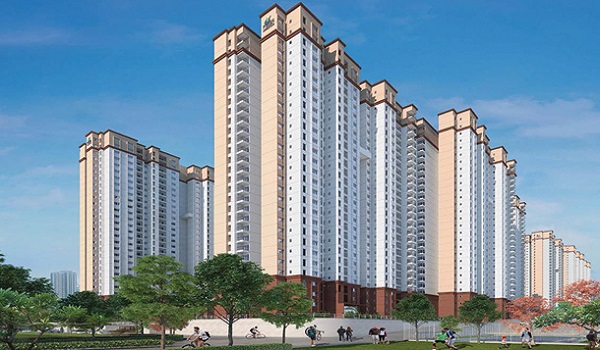
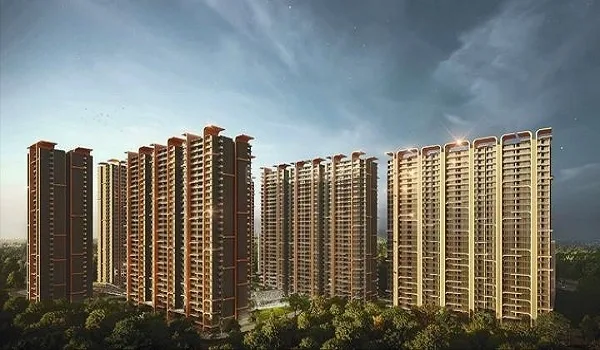
The corridor gives you a full range to match the decision. The lead pre-launch option, Prestige Whitefield, is an 18-acre, 10-tower gated community by Prestige Group on Varthur Road, offering 1 to 4 BHK homes from about ₹1.14 Crore with its K-RERA application in process — a fit for buyers who want price and payment flexibility during construction. If you would rather stop paying rent immediately, ready options such as Prestige Lavender Fields near Varthur (1 to 3 BHK from around ₹1.1 Crore) and delivered communities like Prestige Shantiniketan avoid GST and allow immediate occupation.
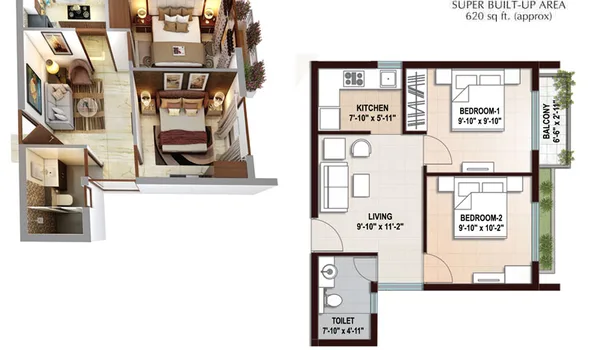
Compare entry prices on the price list and layouts on the floor plans, and read the wider corridor in the Whitefield real estate guide before you commit.
Bottom line: a pre-launch buy trades immediate occupation for pricing; a ready buy trades price for stopping rent today.
Frequently Asked Questions
1. Is it better to rent or buy in Whitefield in 2026?
It depends mainly on how long you plan to stay and your financial readiness. As a rule of thumb, buying tends to win over a roughly five to seven year horizon or more, because that lets appreciation and principal repayment offset the high one-time buying costs. If your plans are uncertain, renting keeps you flexible and preserves capital.
2. What does it cost to rent a 2 BHK in Whitefield?
Rents vary by project, age and furnishing, but a 2 BHK in a gated community commonly rents in the region of about ₹30,000 a month, with premium or larger units higher. Treat this as indicative and confirm the current rent for the specific project and configuration.
3. How long do I need to stay for buying to pay off?
Because buying carries large one-time costs, a longer holding period spreads them over more years. Many buyers use five to seven years as a break-even guide, but your own break-even depends on the price, loan rate, rent avoided and how prices move.
4. Does buying give tax benefits over renting?
A home loan can offer deductions on interest and principal under the relevant sections of the Income Tax Act, while renters may claim HRA benefits where eligible. The value of each depends on your income, tax regime and loan size, so confirm with a chartered accountant.
5. Should I buy under-construction or ready if I decide to buy?
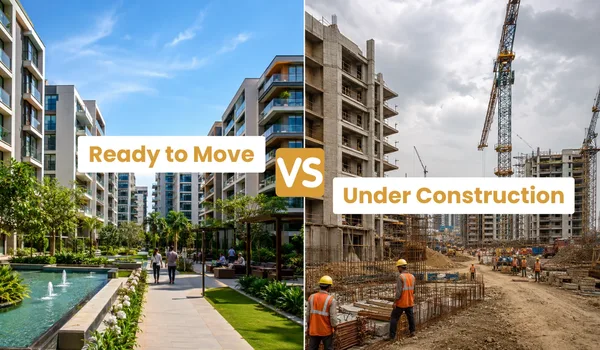
A ready or resale home lets you stop renting immediately and avoids GST, but usually costs more upfront. A pre-launch home such as Prestige Whitefield can offer better pricing and payment flexibility, though you keep renting during construction and pay GST. Weigh the rent saved against the price difference and GST.
Conclusion
Rent versus buy in Whitefield is a timing and horizon question more than a moral one. Rent while your plans are fluid and keep your capital working; buy when you expect to stay for years and can carry the down payment, statutory costs and recurring ownership expenses comfortably. Run the break-even with your own price, rent and loan figures, factor in property tax and maintenance, and — if you lean towards buying — compare the pre-launch Prestige Whitefield against ready Prestige communities on the current price and floor plans before you decide.
Prestige Whitefield Blog