Power Backup, BESCOM Connection & Electricity Guide for Whitefield Apartment Buyers 2026
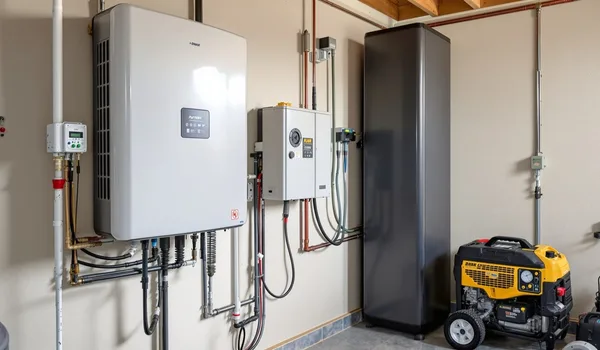
Electricity infrastructure is a practical consideration that buyers often overlook until after possession. In Whitefield, where Bengaluru's grid supply has historically been reliable but not interruption-free, the questions that matter most at the pre-booking stage are: what level of DG generator backup does the project actually provide, what does your BESCOM consumer connection look like after possession, what sanctioned load applies to your unit, and how is common area electricity charged. This guide answers each of these questions without fabricating load numbers or project-specific specifications.
Understanding DG Generator Backup Levels
When builders market apartments with DG (diesel generator) backup, the terminology varies significantly and can be misleading. There are three common backup levels, and buyers must confirm in writing which level applies to their unit.
| Backup level | What it covers | What to confirm |
|---|---|---|
| Common area only | Lifts, lobby lighting, corridor lights, stairwell lighting, security systems, pump rooms and parking areas; no backup to individual flat interiors | Confirm whether your flat interior lights, fans and ACs run during a grid outage |
| Partial unit backup | Common areas plus a limited load per flat, typically one or two light circuits and fans; ACs and heavy appliances typically do not run on DG | Confirm the exact KVA or watts per unit; a typical partial allocation is 500W to 2 kW per flat |
| 100% unit backup | Common areas plus full unit load; all lights, fans, ACs and standard appliances run during a grid outage as they would on grid supply | Confirm the installed DG kVA rating per unit, whether it covers your full sanctioned load, and get this in writing in the agreement for sale or allotment letter |
A project that markets "100% DG backup" may mean 100% of common areas only, or 100% of unit load. The difference matters significantly for a work-from-home professional, a household with medical equipment, or anyone who requires uninterrupted cooling in Bengaluru's summer. Ask for the installed generator capacity in kVA, the total connected load of the project, and a written confirmation of per-unit backup in the allotment agreement.
The work from home and connectivity guide discusses DG backup alongside internet infrastructure as a combined WFH evaluation criterion. The apartment amenities and clubhouse guide covers the broader range of infrastructure and facilities to evaluate before booking.
Bottom line: always confirm in writing whether DG backup covers your unit's full load or only common areas and a limited per-flat allocation; the marketing term "100% backup" is ambiguous without this confirmation.
BESCOM Consumer Connection for Your Unit
In new apartment projects, the builder typically obtains a single bulk BESCOM connection for the entire project during construction. After the project receives its Occupancy Certificate (OC) and units are handed over, individual BESCOM consumer connections with separate meters are issued to each flat.
The typical process works as follows: at the time of possession, the builder may have already arranged individual meters, or there may be a period where units are on a sub-meter arrangement from the bulk connection while individual BESCOM consumer numbers are being processed. Once your individual BESCOM meter is installed and a consumer number is assigned, you pay BESCOM directly for your unit's electricity consumption each month. The refundable BESCOM security deposit for a new connection varies with the sanctioned load; confirm the amount with the builder or your BESCOM sub-division office.
For resale apartments where a BESCOM connection already exists, the previous owner's connection is transferred to your name after the sale deed registration and submission of a name-transfer application to BESCOM with the required documents (sale deed, ID proof, application form). Confirm the transfer process and the outstanding dues on the existing account before taking possession.
Bottom line: for new apartments, individual BESCOM meters may be installed at or after possession; for resale, transfer the existing connection to your name with BESCOM after registration.
Sanctioned Load: 3-Phase vs Single-Phase
Sanctioned load is the maximum electrical load that BESCOM permits for your unit based on the meter type applied for. The load determines which category of meter you get, and the meter category determines your applicable tariff slab.
| Connection type | Typical sanctioned load | Suited for |
|---|---|---|
| Single-phase | Up to approximately 5 kW | 1 BHK or compact 2 BHK with one AC, standard kitchen appliances and lighting; total simultaneous load should not exceed the sanctioned limit |
| Three-phase | Up to approximately 15 kW or more depending on application | 2 BHK with multiple ACs, 3 BHK and larger units with simultaneous use of multiple heavy appliances, induction cooktops, dishwashers and multiple AC units |
For most 3 BHK and 4 BHK apartments in Whitefield, a three-phase connection is the practical requirement given the number of simultaneously-running ACs, appliances and the DG transfer load. If you later add appliances that push your simultaneous load beyond your sanctioned limit, you must apply to BESCOM for a load enhancement. Running consistently above sanctioned load without enhancement can cause meter trips and may attract penalties. Confirm with the builder what sanctioned load and meter type will be applied for on your behalf before possession.
Bottom line: a three-phase connection is typically required for 3 BHK and larger units in Whitefield; confirm the sanctioned load for your specific unit with the builder before possession.
Common Area Electricity Charges
Every gated community in Whitefield has a pooled common area electricity consumption covering lifts, lobby and corridor lighting, security cameras and access control systems, pump rooms (domestic water, fire-fighting, sewage treatment plant), parking area lighting, DG fuel and maintenance, and in some projects, central air conditioning in common areas.
This pooled common area electricity bill is recovered from all flat owners as part of the monthly maintenance or CAM (Common Area Maintenance) charge. The apportionment method varies by society: some apportion equally per flat, some by unit area (larger flats pay proportionally more), and some by BHK size. The method should be specified in the society's registered bye-laws.
DG diesel fuel is a significant component of common area electricity cost, particularly in projects with frequent or sustained grid outages. A project with higher-quality generator infrastructure and better BESCOM supply reliability will have lower fuel costs per month, which flows through to lower maintenance charges. Ask the builder or existing residents for an indicative monthly common electricity bill per flat before booking.
The apartment maintenance and CAM charges guide explains what CAM covers, how the per-square-foot model works and what to expect from the sinking fund.
Bottom line: common area electricity (including DG fuel) is pooled and charged as part of monthly maintenance; confirm the apportionment method and get an indicative monthly figure from the builder or existing residents before booking.
Smart Meters and BESCOM Modernisation
BESCOM has been progressively rolling out smart prepaid meters in Bengaluru, including in the Whitefield area. Smart meters allow remote load monitoring, automated meter reading and in some cases prepaid recharge-based billing. If your project has smart meters installed, you recharge your prepaid balance through the BESCOM app or online portal before the balance runs out, rather than receiving a monthly post-paid bill. Confirm with the builder or BESCOM sub-division whether your specific project will have conventional post-paid meters or smart prepaid meters at possession.
Bottom line: BESCOM's smart meter rollout is ongoing in Whitefield; confirm whether your project will have prepaid smart meters or conventional post-paid meters.
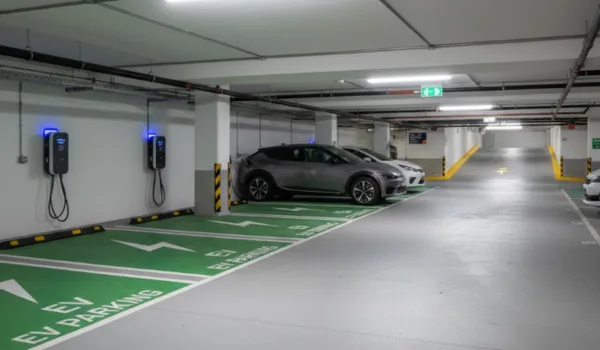
EV Charger Addition: Load and RWA Approval
Adding an EV charger to your parking slot is increasingly common in Whitefield's IT professional community. However, it is not a plug-and-play addition; it involves both electrical load considerations and RWA approval.
| EV readiness level | What it means | What you need to do |
|---|---|---|
| Conduit-only provision | Builder has laid conduit piping from the electrical room to parking areas but no wiring or socket installed | You need to apply to RWA, get approval, and engage a licensed electrician to pull cable and install the charger |
| Socket-installed | Builder has installed a power socket at or near the parking slot; no active charger unit | You need RWA approval and a compatible charger unit; confirm the socket rating matches your vehicle's charger specifications |
| Active charger pre-installed | Builder has installed a functional EV charger at designated parking slots | Confirm charging standard (AC Type 2, CCS, CHAdeMO) matches your vehicle; check metering (common pool or sub-metered to your unit) |
If your project does not have EV readiness built in, you can apply to the RWA post-possession. The RWA must assess whether the building's existing BESCOM sanctioned capacity can accommodate additional EV charging load without overloading the common infrastructure. The charger installation itself must be done by a BESCOM-licensed electrician. The parking and EV charging guide covers parking allocation rules under K-RERA and the full EV charging evaluation in detail.
Bottom line: adding an EV charger post-possession requires RWA approval and a load assessment; a BESCOM-licensed electrician must do the installation.
Pre-Booking Electricity Evaluation Checklist
| Check | What to verify |
|---|---|
| DG backup scope | Common area only, partial per-unit, or 100% per-unit? Get it in writing in the allotment letter |
| Installed DG capacity | Total kVA installed vs total project connected load; ratio tells you whether 100% backup claim is plausible |
| Sanctioned load for your unit | Single-phase or three-phase? kW sanctioned? Confirm this will be applied for with BESCOM at possession |
| BESCOM meter type | Conventional post-paid or smart prepaid meter? At possession or after? |
| BESCOM deposit amount | Refundable deposit varies with sanctioned load; confirm amount and payment timeline |
| Common area electricity apportionment | Equal per flat, by area, or by BHK? Specified in society bye-laws |
| EV charging readiness | Conduit, socket or active charger? Metering method (common pool vs sub-metered)? |
| BESCOM supply reliability at this location | Ask existing residents in the area about average outage frequency and duration at your specific location in Whitefield |
Prestige Whitefield: Electricity Infrastructure
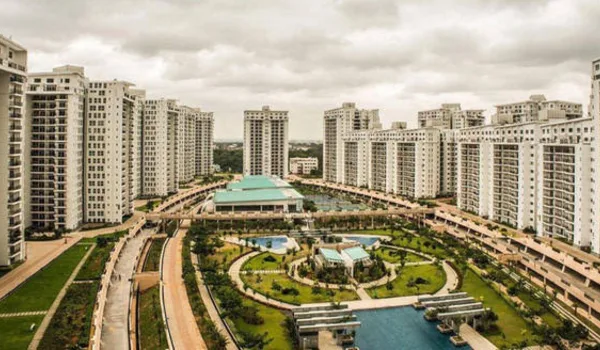
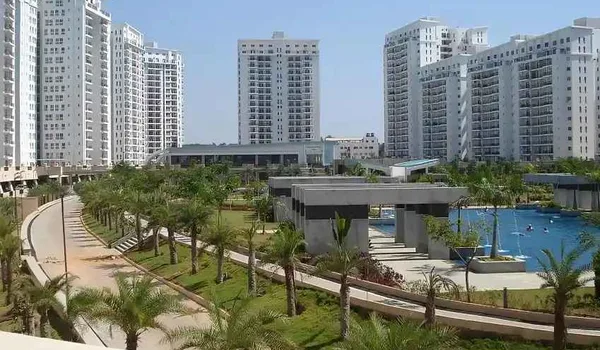
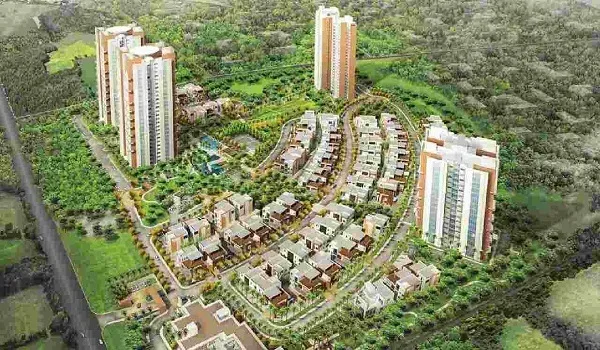
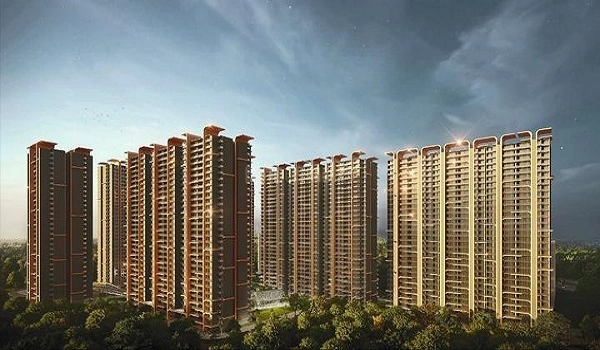
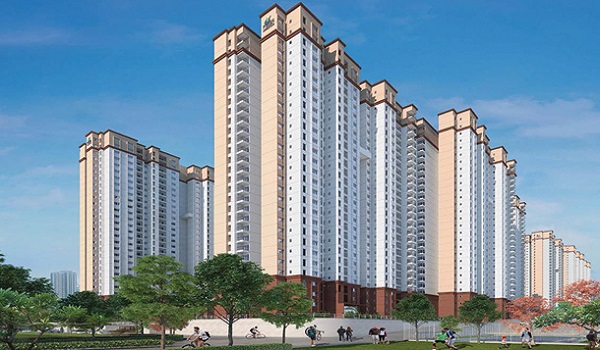
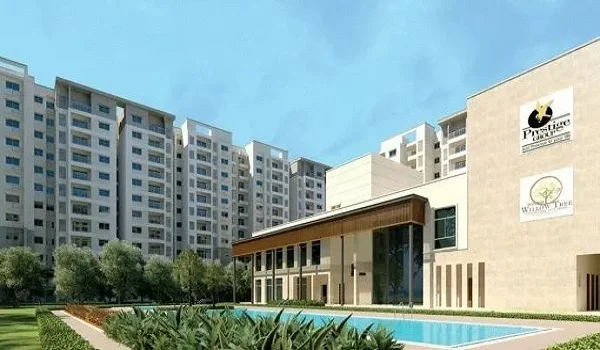
At Prestige Whitefield by Prestige Group, an 18-acre integrated township in Whitefield, buyers should verify the DG backup scope, BESCOM connection process and sanctioned load for their specific unit with the sales team and confirm the details in the allotment letter before signing. All K-RERA-registered projects are required to deliver the amenities and specifications listed in their RERA registration; use the RERA registration number to verify what is disclosed. For unit pricing and configuration details, see the price page and the Whitefield real estate guide.
For the broader amenity evaluation including security, water, lift and clubhouse infrastructure, see the apartment amenities and clubhouse guide. For the eco-efficiency features including solar panels, STP water recycling and rainwater harvesting that affect ongoing utility costs, see the green and sustainable apartments guide.
Frequently Asked Questions
1. What does "100% DG backup" mean for a Whitefield apartment?
It can mean 100% of common areas only, or 100% of unit load. Confirm in writing in the allotment letter whether your flat's full sanctioned load (ACs, lights, all appliances) runs during a grid outage or only a limited partial load.
2. What is sanctioned load and how does it affect my apartment?
Sanctioned load is the maximum electrical load BESCOM permits for your unit. A 3 BHK typically needs a three-phase connection; a compact 1 or 2 BHK may run on single-phase. Confirm the sanctioned load for your specific unit with the builder before possession.
3. How do I get a BESCOM electricity connection for my new Whitefield apartment?
For new apartments, the builder arranges individual BESCOM meters at or after possession. Confirm whether your meter will be installed at possession or subsequently, and what the refundable BESCOM security deposit is for your unit's sanctioned load.
4. Is common area electricity cost included in maintenance charges?
Yes. Lifts, corridor lighting, pump rooms, DG fuel and other common electricity is pooled and recovered from all flat owners as part of the monthly maintenance charge. Confirm the apportionment method (equal per flat, by area or by BHK) with the builder or RWA.
5. Can I add an EV charger to my parking slot in a Whitefield apartment?
Yes, but you need RWA approval and a load assessment first. The charger installation must be done by a BESCOM-licensed electrician. Confirm whether your project has conduit, socket or active charger provision already in place.
Conclusion
Electricity infrastructure in a Whitefield apartment involves several distinct layers: the DG generator backup at the building level, the individual BESCOM consumer connection and sanctioned load at the unit level, common area electricity costs pooled into maintenance, and EV charging capacity at the parking level. Each of these has practical implications for your daily comfort, monthly costs and ability to use modern appliances. Ask the right questions at the pre-booking stage, get DG backup scope confirmed in the allotment letter, verify the BESCOM process and deposit amount, and understand how common area electricity is apportioned in the society's bye-laws. For the broader amenity evaluation guide, see the apartment amenities and clubhouse guide; for EV parking allocation and charging infrastructure, see the parking and EV charging guide.
Prestige Whitefield Blog