Tenant Rental Agreement & Onboarding Guide for Whitefield Apartment Owners 2026

Once you own a Whitefield apartment and decide to rent it out, the rental agreement is the document that governs the entire landlord-tenant relationship. Getting it right from the start reduces disputes over rent, maintenance charges, security deposit and vacation. This guide covers the two main agreement types used in Karnataka, what the agreement must include, police tenant verification, TDS on rent, RWA intimation and the move-in onboarding checklist. This is general information; engage a property lawyer to draft or review your specific agreement.
Leave-and-Licence vs Registered Lease
Two formats are used for residential rentals in Whitefield gated communities. The choice determines your legal position if a dispute arises.
| Feature | 11-Month Leave-and-Licence | Registered Lease (12+ months) |
|---|---|---|
| Registration required? | No; notarised on stamp paper is standard | Yes; registered at sub-registrar's office |
| Stamp duty | Nominal (stamp paper value) | Applicable; confirm current Karnataka rate |
| Tenant protection | Lower; landlord-friendly termination | Higher; termination requires legal process |
| Suitable for | Most residential IT-corridor rentals | Long-term family or institutional use |
| Enforceability | Enforceable in civil court; notarisation establishes date and terms | Strongly enforceable; registered copy is definitive evidence |
| Common in Whitefield? | Yes; the standard format for gated-community rentals | Rare for residential apartments |
The 11-month leave-and-licence format is the norm for Whitefield apartment rentals. Keeping the term below 12 months avoids the stamp duty and registration cost of a long lease, while remaining legally valid and enforceable. After 11 months, renew the agreement formally rather than allowing it to lapse into an informal month-to-month arrangement.
Bottom line: use an 11-month notarised leave-and-licence for Whitefield residential rentals and renew it formally at the end of each term.
What the Rental Agreement Must Include
Each clause below should be stated explicitly; verbal understandings have no legal standing. Include the K-RERA registration number of the project in the property description so the apartment is uniquely identified.
| Clause | What to specify |
|---|---|
| Property identification | Full address, flat number, tower, floor, carpet area and the K-RERA registration number of the project |
| Monthly rent | Exact amount, payment date, bank account details and penalty for late payment |
| Maintenance charges | Whether included in rent or paid separately, and who pays the society bill |
| Security deposit | Total amount, refund timeline (typically 30 days of vacant possession) and permitted deduction basis |
| Licence term and notice period | Start date, end date, lock-in period if any, and notice period for early termination (typically 1-3 months) |
| Rent escalation at renewal | Escalation percentage at the next renewal (typically 5-10%, mutually agreed) |
| Permitted use | Residential use only; sub-letting and short-term rental prohibited unless specifically permitted |
| Alterations | No structural or cosmetic alterations without written owner consent |
| Pet policy | Whether pets are allowed, consistent with society bye-laws |
| Handover condition | Condition in which the apartment must be returned; who bears repainting and damage costs |
For furnished or semi-furnished apartments, attach a detailed inventory list (appliances, furniture, fittings, their condition) as an annexure. The furnished vs unfurnished guide explains how furnishing levels affect rental value in the Whitefield IT corridor.
Bottom line: each clause above must be in writing; verbal agreements carry no weight in a dispute.
Security Deposit Norms
In the Whitefield residential market, security deposits are typically two to three months of rent for furnished units and one to two months for unfurnished units. These are market norms, not legally mandated limits. The exact amount is negotiated between owner and tenant and must be stated in the agreement. The deposit is refunded at the end of the tenancy less any legitimate deductions for damage beyond fair wear and tear or outstanding utility bills. Karnataka does not currently cap security deposits for new residential apartment agreements; confirm the current legal position with a property lawyer.
Bottom line: state the deposit amount, refund timeline and permitted deduction basis explicitly; the market norm in Whitefield is 2-3 months rent for furnished units.
Police Tenant Verification
Karnataka police requires landlords in urban areas to complete tenant verification before the tenant moves in. The process involves submitting tenant identity documents (Aadhaar, PAN, photographs) along with a copy of the rental agreement and the landlord's property documents to the local police station. Some districts accept online submission. Check the current process and forms with your local police station or the Karnataka police website at the time of renting, as the portal and procedure are subject to change. Failure to complete verification places the compliance burden on the landlord.
Bottom line: complete police tenant verification before move-in; it is a mandatory landlord obligation in Karnataka urban areas, not an optional step.
TDS on Rent Under Section 194-IB
Under Section 194-IB of the Income Tax Act, an individual or HUF tenant whose monthly rent exceeds Rs 50,000 must deduct tax at source at the applicable rate. The tenant files Form 26QC as the challan-cum-statement and issues Form 16C to the landlord as the TDS certificate. The landlord claims this TDS credit when filing their income tax return.
The TDS obligation is on the tenant, not the landlord, but the landlord bears the impact if the tenant fails to deduct, because it affects the landlord's tax credit. Rental income is generally assessed under "income from house property," and the Section 24(b) home loan interest deduction continues to apply even when the property is let out. Confirm current TDS rates, the exact monthly threshold and Form 26QC filing deadlines with your CA. The home buyer tax benefits guide covers Section 24(b) and related deductions in full detail.
Bottom line: if monthly rent exceeds Rs 50,000, the tenant must deduct TDS under Section 194-IB; confirm current rates and the Form 26QC process with your CA.
Society and RWA Intimation
Most Whitefield gated communities require the apartment owner to inform the Residents' Welfare Association or Apartment Owners' Association of any new tenant before or at move-in. The typical process is to submit a tenant intimation letter (or use the society's resident portal) with the tenant's name, contact number, Aadhaar, vehicle number and a copy of the rental agreement. The society may issue the tenant an access card only after this is complete. Failure to inform the RWA can result in the tenant being denied common amenity access, or the owner being penalised under society bye-laws. Refer to the society and RWA formation guide for how owner associations operate in Whitefield communities.
Bottom line: notify the RWA of every new tenant before move-in; failure may restrict the tenant's access and breach your obligations under society bye-laws.
Move-In Onboarding Checklist
A documented move-in process prevents the most common end-of-tenancy disputes. Complete these steps on the day the tenant takes possession.
| Step | What to do |
|---|---|
| Inventory and condition report | Walk through every room together; photograph all surfaces, appliances and fittings; both parties sign the inventory and condition report |
| Meter readings | Record electricity meter reading and water meter reading (if metered); both sign and keep a copy |
| Key and access handover | Hand over all keys, remote controls and building access cards; record what was given and how many copies exist |
| Society intimation | Submit tenant details to the RWA office or portal; obtain move-in confirmation from society management |
| Utility account arrangement | Add tenant's name to the BESCOM billing or set up a separate arrangement as per society norms |
| Emergency contacts | Provide the tenant with the owner's contact, society emergency number and BESCOM/BWSSB helpline |
Bottom line: photos and a signed inventory at move-in are the single most effective protection against deposit disputes at move-out.
Prestige Whitefield: Renting or Buying
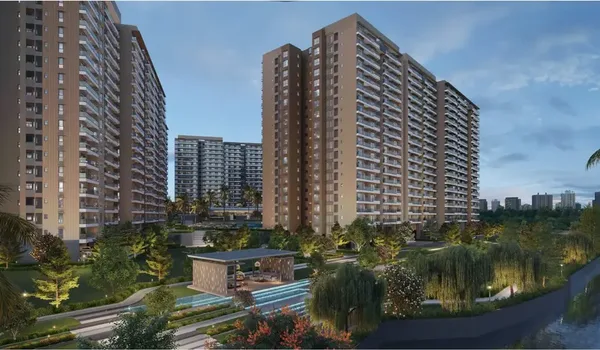
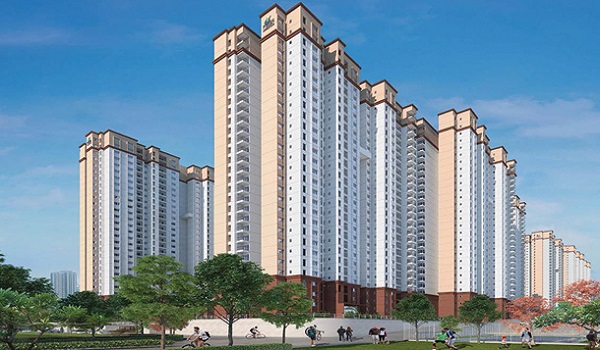
At Prestige Whitefield by Prestige Group, a gated township in Whitefield, buyers who purchase for investment typically plan to rent immediately after possession. The rental yield and ROI guide covers the investment return side. For pricing and configuration details, see the price page and the Whitefield guide.
Frequently Asked Questions
1. Is an 11-month rental agreement valid in Karnataka?
Yes. A notarised 11-month leave-and-licence is the standard format and legally valid without sub-registrar registration; agreements of 12 months or more must be registered.
2. Can I rent out a Whitefield apartment that still has a home loan on it?
Usually yes, but check your loan agreement for a self-occupation clause and confirm with your lender before renting out.
3. Who pays maintenance charges in a rented Whitefield apartment?
Either party can pay; specify it clearly in the agreement and ensure the society reflects the same arrangement to avoid billing disputes.
4. What happens if the tenant does not vacate after the agreement ends?
Serve a written legal notice first; if the tenant refuses, file a civil eviction suit through a property lawyer.
5. What is TDS on rent and does it apply to my Whitefield rental?
If monthly rent exceeds Rs 50,000, the tenant must deduct TDS under Section 194-IB, file Form 26QC and issue Form 16C. Confirm current rates with your CA.
Conclusion
Renting out a Whitefield apartment requires more than finding a tenant. A properly drafted leave-and-licence agreement, completed police verification, RWA intimation and a documented move-in process are the four steps that protect you throughout the tenancy. On the community governance side, the gated community rules and bye-laws guide covers the restrictions on renovation, pets, visitors and short-term sub-letting that your tenant must also follow. If you are considering short-term rental rather than a traditional tenancy, the short-term rental and Airbnb guide explains the society permissions and income-tax treatment that apply. For the decision between renting and selling, the how-to-sell guide covers the resale process and capital gains framework.
Prestige Whitefield Blog