Home Buyer’s Tax Benefits for Whitefield Apartments 2026

Taking a home loan to buy an apartment in Whitefield brings several income-tax benefits that can meaningfully reduce your annual tax outgo, provided you stay on the older income-tax regime. Section 24(b) covers the interest you pay, Section 80C covers the principal you repay, and Section 80EEA offers an additional deduction for qualifying first-time buyers. This guide explains each benefit, its annual cap, the key conditions, and why a CA is the right person to confirm which tax regime suits your income and loan size.
One important note upfront: all three deductions described below are available only under the old income-tax regime. If you have opted for the new concessional-rate regime, home-loan deductions do not apply.
| Section | What it covers | Annual cap (old regime) |
|---|---|---|
| 24(b) | Home loan interest, self-occupied property | Rs 2 lakh |
| 80C | Principal repayment (shared with PPF, ELSS, life insurance etc.) | Rs 1.5 lakh combined |
| 80EEA | Additional interest deduction, first-time buyer (stamp value ≤ Rs 45 lakh) | Rs 1.5 lakh additional |
| 80C (stamp duty) | Stamp duty and registration charges, year of payment only | Within Rs 1.5 lakh 80C limit |
Section 24(b) — Home Loan Interest Deduction
For a self-occupied property, up to Rs 2 lakh of home-loan interest paid in a financial year is deductible under Section 24(b), available only under the old regime. For a property that is rented out, the deduction is not capped (net of rental income, subject to set-off and carry-forward rules). If the property is under construction when you take the loan, no interest deduction is available for those years. Once you receive possession, the total pre-EMI interest paid during the construction period is deductible in five equal instalments over the five financial years that follow.
For a Whitefield apartment in the Rs 1.14 crore range with a typical home loan, the annual interest component in the early years will substantially exceed the Rs 2 lakh cap, so the ceiling is usually reached within the first EMI year.
Bottom line: Rs 2 lakh interest deduction per year for self-occupied; construction-period interest recoverable in five instalments post possession.
Section 80C — Principal Repayment
The principal-repayment portion of your EMI is deductible up to Rs 1.5 lakh per year under Section 80C. This ceiling is combined with other common 80C instruments including PPF contributions, ELSS investments, life-insurance premiums and ULIP contributions, so buyers who already fill their 80C bucket may have limited room for the home-loan principal. Stamp duty and registration charges paid in the year of purchase also qualify under this same Rs 1.5 lakh ceiling. If you sell the property within five years of taking possession, the principal-repayment deductions claimed in those years are reversed and added back to your taxable income in the year of sale.
Bottom line: Rs 1.5 lakh combined 80C limit; stamp duty qualifies too; hold five years post possession to keep the deduction.
Section 80EEA — First-Time Buyer Bonus
Section 80EEA provides an additional deduction of Rs 1.5 lakh on home-loan interest, over and above the Section 24(b) cap, for buyers meeting all three conditions: you must be a first-time property owner (no other residential property at the time of loan sanction), the stamp duty value of the property must not exceed Rs 45 lakh, and the loan must have been sanctioned within the notified window. Whether that window extends to loans sanctioned in 2026 depends on the most recent budget notification, and must be confirmed with your CA. Most Whitefield apartments, priced well above Rs 45 lakh, will not qualify. The section may apply if you are buying a compact resale unit in the lower-price segment and the window is still active.
Bottom line: useful only for sub-Rs 45 lakh properties; confirm sanction-window eligibility with your CA before relying on it.
Old Tax Regime vs New Tax Regime
The new income-tax regime (made the default for salaried taxpayers from FY 2024-25) offers lower slab rates but does not allow deductions under Section 24(b), Section 80C or Section 80EEA. Whether the old regime or the new regime results in a lower net tax depends on your gross income, the size of your home loan, and the other deductions you normally claim. Buyers with large loans and several 80C instruments often find the old regime more beneficial, while those with smaller deductions may prefer the lower slab rates of the new regime. A CA can compute the exact liability under both and help you make an informed choice before filing.
Bottom line: home-loan deductions only work under the old regime; have a CA compare both before filing.
Joint Home Loan and Double the Tax Savings
When two people buy a home jointly, take a joint loan, and are both co-owners in the sale deed, each borrower can independently claim up to Rs 2 lakh under Section 24(b) and up to Rs 1.5 lakh under Section 80C, provided the ownership share in the sale deed is documented and the deduction split does not exceed that share. A couple buying together could therefore claim up to Rs 4 lakh combined in interest deductions and Rs 3 lakh combined in principal deductions each year under the old regime. The split declared in the tax return must reflect the proportion shown in the sale deed. For loan eligibility, repayment structure and what to include in the sale deed, our home loan and EMI guide covers those points in full.
Bottom line: joint owners each get their own deduction ceiling, making co-buying more tax-efficient under the old regime.
What This Means for a Whitefield Apartment Buyer
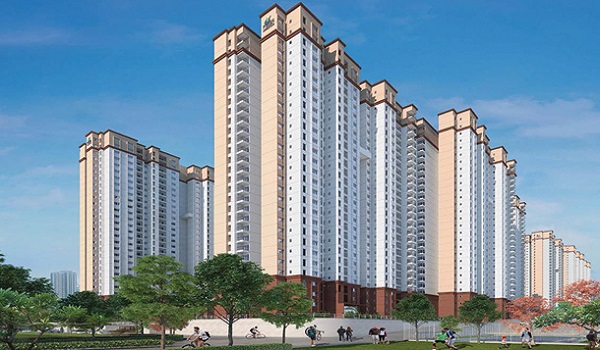
Prestige Whitefield, the lead pre-launch project in the locality by Prestige Group, is an 18-acre, 10-tower development on Varthur Road with 1 to 4 BHK homes from about Rs 1.14 crore. At that price level, the stamp duty and registration payable are eligible for Section 80C in the year of payment. Check the stamp-duty and registration guide for how the charges are calculated, and the rent vs buy guide for the break-even picture alongside the tax benefits. The current entry price is on the price list. The full buying journey is covered in the Whitefield real estate guide.
Bottom line: confirm which tax regime applies to your income, ask a CA to model the numbers, and factor in stamp duty as an 80C item in the year you register.
Frequently Asked Questions
1. Can I claim home loan tax benefits under the new income-tax regime?
No. Section 24(b), 80C and 80EEA deductions on home loan interest and principal are not available under the new concessional-rate regime. Confirm which regime suits you with a CA before filing.
2. Can I claim the interest deduction before the home is ready?
No deduction is available during the construction period. Once possession is received, the pre-EMI interest paid during construction can be claimed in five equal instalments over the next five years.
3. Do both husband and wife get the full deduction if they buy together?
Yes, if both are co-owners in the sale deed and co-borrowers on the loan, each can independently claim up to Rs 2 lakh under Section 24(b) and up to Rs 1.5 lakh under Section 80C, subject to their individual income.
4. Is stamp duty also deductible?
Yes. Stamp duty and registration charges qualify for Section 80C deduction in the year they are paid, within the same Rs 1.5 lakh combined limit.
5. What happens to the 80C deduction if I sell within five years?
The principal-repayment deductions claimed are reversed and added back to your taxable income in the year of sale. Confirm the full tax implications with a CA before selling.
Conclusion
A home loan on a Whitefield apartment gives you up to Rs 2 lakh per year in interest deduction under Section 24(b), up to Rs 1.5 lakh per year in principal and stamp-duty deduction under Section 80C, and potentially an additional Rs 1.5 lakh under Section 80EEA if the property and sanction date qualify. These benefits apply only under the old income-tax regime, so the first step is always to compare both regimes for your income level with a CA. Buying jointly with a co-owner who is also a co-borrower doubles the individual deduction ceilings. Used well, these provisions can offset a meaningful portion of the carrying cost of the loan, especially in the early years when the interest component is highest.
Prestige Whitefield Blog