Legal Due Diligence & Documents Checklist for Whitefield 2026

An apartment in Whitefield is likely the largest purchase you will make, and the paperwork behind it decides whether that purchase is safe. Legal due diligence is the process of verifying that the seller can legally sell, the property is free of dues and disputes, and the project has the approvals it claims. This checklist walks through the documents to inspect and what each one tells you — it is general guidance, not legal advice, and a property lawyer should run the verification on your specific purchase.
This guide sits alongside the broader first-time homebuyer checklist, which covers the full journey from budget to handover; here we go deeper on the legal-verification stage specifically.
The Core Documents at a Glance
| Document | What it confirms |
|---|---|
| Title deed & chain | The seller legally owns the property |
| Encumbrance certificate | No registered loans, charges or dues |
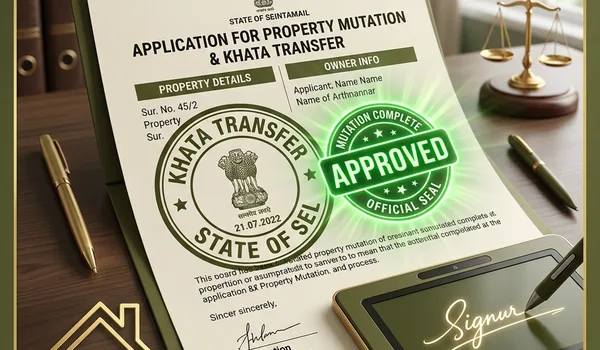
| Khata & khata extract | Municipal record & tax status (A vs B khata) |
| RERA registration | Project is registered & committed to timelines |
| Approved plans | Building & layout sanctioned by the authority |
| OC & CC | Completed home is legally fit to occupy |
| Sale agreement & deed | Terms of sale, then transfer of ownership |
Title, Ownership & Encumbrance
Everything starts with title. The title deed and the chain of previous deeds (the “mother deed” and subsequent transfers) should establish an unbroken line of ownership to the current seller, with no gaps or disputes. Alongside it, the encumbrance certificate (EC) records registered transactions over a period — sales, mortgages and charges — and a clean EC over the period your lawyer recommends confirms the property is free of registered loans or legal dues. If the seller has an existing home loan, verify how it will be closed and the original documents released at registration. This pair — clear title plus a clean EC — is the foundation; everything else builds on it.
Bottom line: confirm an unbroken title chain and a clean encumbrance certificate before you go any further.
Khata, Approvals & Occupancy
The khata is the municipal record of the property for tax purposes, and its status matters: an A khata denotes a compliant property on the main register, making loans and transfers straightforward, while a B khata records certain irregularities that can complicate financing and future resale — get a current khata extract and take advice if it is a B khata. Next, confirm the approved building and layout plans sanctioned by the competent authority, so the construction matches what was permitted. For a completed home, the Occupancy Certificate (OC) confirms the building is legally fit to occupy and the Completion Certificate (CC) that it was built per approvals; the presence of a valid OC also determines the GST treatment discussed in our under-construction vs ready-to-move guide. The khata also links to your ongoing BBMP property tax.
Bottom line: verify the khata status, sanctioned plans and the OC/CC — these prove the home is legal and occupiable.
RERA Registration
For any project still being sold or built, RERA registration is a key protection. A registered project commits the developer to a declared completion timeline, requires buyer funds to be handled through a dedicated account, and gives buyers recourse if the schedule slips or the spec changes. Verify the project’s registration and details on the K-RERA portal, and cross-check that the promoter, project name and approved plans on the portal match what you have been shown. RERA reduces risk rather than removing it, so pair the registration check with the developer’s actual delivery track record.
Bottom line: confirm the K-RERA registration and match its details to the project you are buying into.
Sale Agreement vs Sale Deed
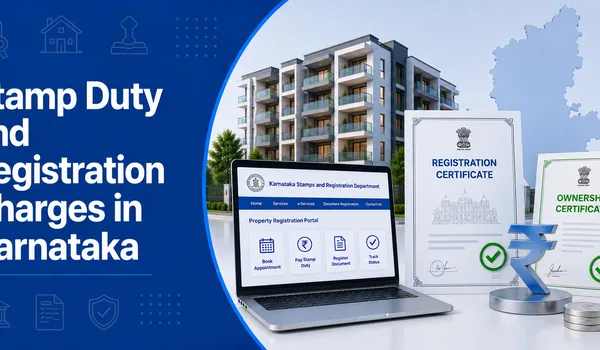
Two documents formalise the purchase, and buyers often confuse them. The sale agreement (agreement to sell) sets out the price, payment schedule, timeline and conditions, and the promise to transfer once those conditions are met — read it carefully, because its terms carry into the final transfer. The sale deed is the document that actually transfers ownership to you; it is executed and registered at the sub-registrar’s office on payment of stamp duty and registration charges, which are covered in our stamp duty and registration guide. After registration, collect the registered deed, the receipts, and the handover and possession documents. Have a lawyer draft or vet both before you sign anything.
Bottom line: the agreement sets the terms and the registered deed transfers ownership — get both vetted by a lawyer.
Running These Checks in Whitefield
The same diligence applies whichever community you choose. The lead pre-launch option, Prestige Whitefield, is an 18-acre, 10-tower project by Prestige Group on Varthur Road, offering 1 to 4 BHK homes from about ₹1.14 Crore with its K-RERA application in process — a pre-launch buyer would focus on the RERA status, approvals and agreement terms. For ready communities such as Prestige Lavender Fields and Prestige Shantiniketan, the emphasis shifts to the OC, khata and a clean EC. Whatever the stage, check the current entry price on the price list and layouts on the floor plans, and read the corridor in the Whitefield real estate guide — then let a property lawyer close out the paperwork.
Bottom line: tailor the checklist to the project’s stage, and have a property lawyer verify every document before you pay.
Frequently Asked Questions
1. What documents should I check before buying an apartment in Whitefield?
At minimum, verify the title deed and chain of ownership, a recent encumbrance certificate, the khata and khata extract, approved building and layout plans, the RERA registration, and for a completed home the Occupancy and Completion Certificates. Also review the sale agreement before you sign and the final sale deed at registration. Most buyers have a property lawyer run this diligence.
2. What is an encumbrance certificate and why does it matter?
An encumbrance certificate (EC) records registered transactions on a property over a period, showing sales, mortgages or charges. A clean EC over the relevant period indicates the property is free of registered loans or legal dues, which is essential before you buy. You can obtain it through the Karnataka registration system for the period your lawyer recommends.
3. What is the difference between A khata and B khata?
Khata is a municipal record of a property for tax purposes. An A khata denotes a property that complies with regulations and is on the main register, making loans and transfers straightforward. A B khata records certain irregularities and can complicate financing and future transfer. Confirm the khata status and obtain a current khata extract before buying, and take legal advice if it is a B khata.
4. What is the difference between a sale agreement and a sale deed?
A sale agreement (agreement to sell) sets out the terms, price and timeline and the promise to transfer on conditions being met; it precedes the transfer. The sale deed is the document that actually transfers ownership and is registered at the sub-registrar’s office on payment of stamp duty and registration charges. Read the agreement carefully, because its terms carry into the deed.
5. Do I need a lawyer to buy an apartment in Whitefield?
It is strongly recommended. A property lawyer verifies the title chain, reads the encumbrance certificate and approvals, checks the RERA and khata status, and reviews the sale agreement and deed before you commit large sums. The fee is small against the value and risk of the transaction. This guide is general information and not a substitute for advice on your specific purchase.
Conclusion
Legal due diligence is not the exciting part of buying a home, but it is the part that protects everything else you spend. Confirm clear title and a clean encumbrance certificate first; verify the khata, sanctioned plans and, for a ready home, the OC and CC; check the K-RERA registration for anything still under construction; and read both the sale agreement and the sale deed before you sign. None of this replaces a property lawyer — engage one early, use this checklist to follow the process, and you can commit to a Whitefield apartment with confidence rather than crossed fingers.
Prestige Whitefield Blog