NRI Investment in Whitefield Apartments 2026
General guidance only — confirm FEMA, tax and loan specifics with a qualified chartered accountant or your bank before investing.

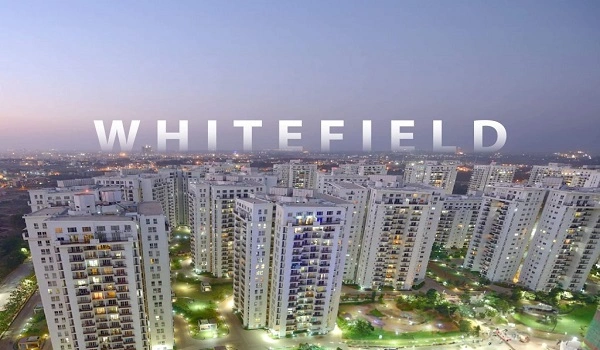
For a Non-Resident Indian, Whitefield is one of Bengaluru's most NRI-friendly investment corridors: a mature IT belt around ITPL, an operational metro, deep rental demand and a steady supply of branded gated communities. Under FEMA rules an NRI can freely buy a residential apartment here, fund it through an NRE or NRO account, and in most cases repatriate the proceeds on a future sale. This guide walks through eligibility, funding, loans, taxes, repatriation and the projects worth shortlisting.
The appeal is simple. Whitefield offers rupee-denominated assets with reliable tenants from the tech parks, a Prestige-and-peers brand market that resells well, and prices that remain below central-city Bengaluru. The catch is the paperwork: NRI purchases carry extra compliance around funding routes, TDS and repatriation. Get those right and the rest is a normal apartment buy.
NRI Investment in Whitefield 2026 — Quick Snapshot
| Point | What an NRI should know |
|---|---|
| Who can buy | NRIs and persons of Indian origin — residential & commercial only (no agricultural land, plantation or farmhouse) |
| RBI permission | Not needed for a normal apartment purchase |
| How to pay | Indian rupees via NRE, NRO or FCNR account, or inward remittance — no foreign-currency cash |
| Home loan | Available from Indian banks, typically up to ~75–80% of value, repaid via NRE/NRO |
| On purchase | Stamp duty, registration and GST (if under construction) |
| On sale | Capital gains tax; TDS deducted on proceeds when seller is an NRI |
| Repatriation | Generally allowed for up to two residential properties, within FEMA limits |
| Paperwork aid | Power of Attorney to a trusted resident is common and legal |
Indicative as of June 2026 — rules and rates change. Confirm the current position with a chartered accountant and your bank before committing.
Can an NRI Buy Property in Whitefield?
Yes, and the rules are liberal. Under the Foreign Exchange Management Act, an NRI or a person of Indian origin can buy any number of residential and commercial properties in India without seeking special permission from the Reserve Bank of India. An apartment in Whitefield falls squarely within this freedom.
The single hard limit is land type. NRIs cannot buy agricultural land, plantation property or a farmhouse. For a gated apartment, that restriction never applies, which is one more reason flats — rather than plots — are the default NRI play in this corridor.
Bottom line: an NRI can buy a Whitefield apartment as freely as a resident, with no RBI approval needed.
How to Fund the Purchase: NRE, NRO and FCNR
Payment must move through normal banking channels in Indian rupees — foreign-currency cash is not allowed. In practice the money comes from an NRE account (foreign earnings, fully repatriable), an NRO account (India-sourced income such as rent, with limited repatriation) or an FCNR deposit, or as a fresh inward remittance from abroad.
The account you use matters later. Funding from an NRE or FCNR source keeps the future sale proceeds cleanly repatriable, which is why many NRIs route the down payment through NRE. Keep every remittance advice and bank statement; you will need them to certify repatriation when you eventually sell.
Bottom line: pay in rupees through NRE, NRO or FCNR, and keep the funding trail clean for repatriation.
Home Loans for NRIs
Most Indian banks and housing finance companies lend to NRIs, generally funding up to about 75 to 80 percent of the property value, subject to income and eligibility. The loan is disbursed and repaid in Indian rupees, usually through the buyer's NRE or NRO account or via post-dated instructions.
Because the buyer is overseas, lenders often ask for a resident co-applicant or a Power of Attorney holder to handle signatures and site formalities. A registered, clearly scoped PoA to a trusted family member is standard practice and keeps the booking, registration and loan steps moving while you are abroad.
Bottom line: NRI home loans are routine — budget for a ~20 to 25 percent down payment and line up a PoA early.
Taxes and Repatriation
On the way in, an NRI buyer pays the same stamp duty and registration as a resident, plus GST when the unit is under construction. Rental income earned later is taxable in India and is usually credited to the NRO account. On a future sale, capital gains tax applies, and crucially, the buyer must deduct TDS on the sale price because the seller is an NRI — the rate depends on the holding period and prevailing law.
Repatriation is generally permitted within FEMA limits: sale proceeds of up to two residential properties can be sent abroad, provided the purchase was funded through inward remittance or NRE/FCNR money and taxes are settled. A chartered accountant issues the certificate the bank needs for the outward remittance. Because rates and thresholds change, treat this section as a map, not the final word.
Bottom line: plan for TDS on sale and a CA-certified repatriation — the structure is well-trodden but detail-sensitive.
Projects an NRI Should Shortlist
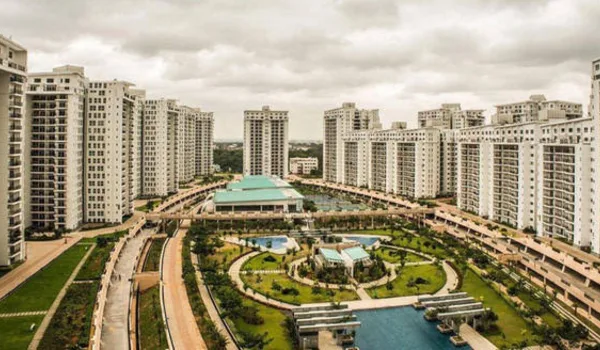
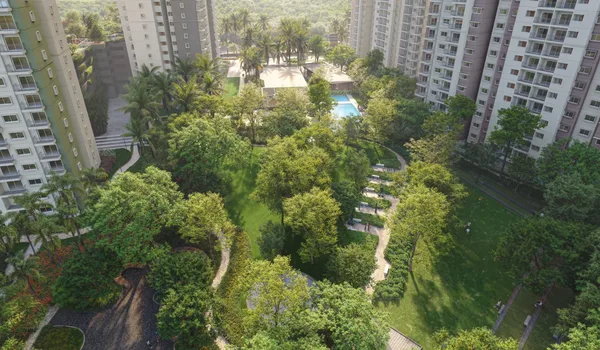
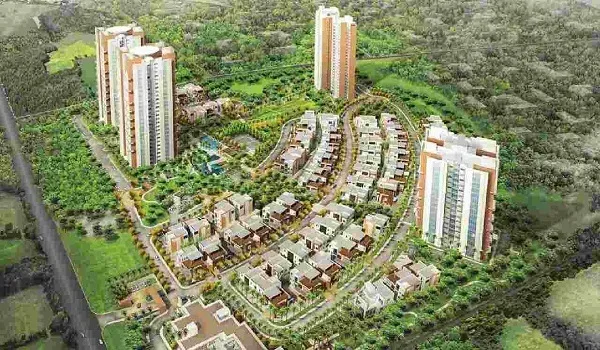
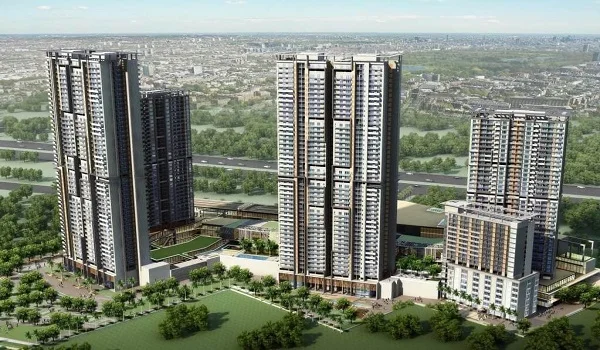
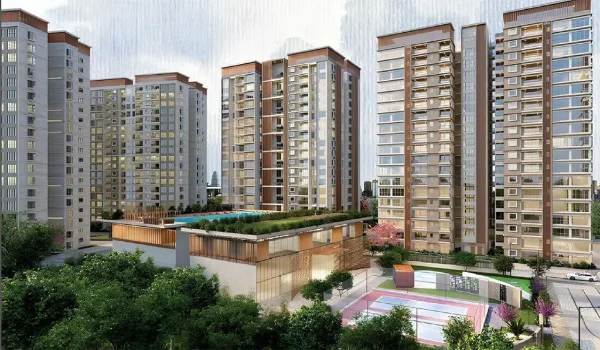
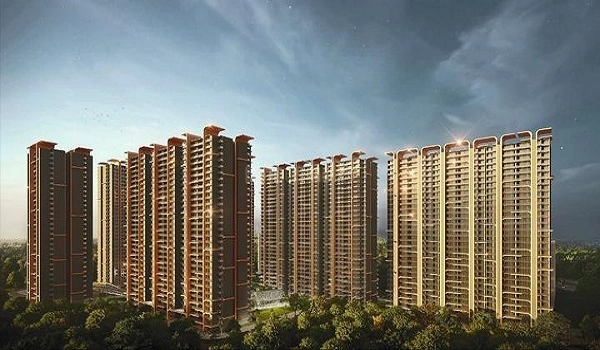
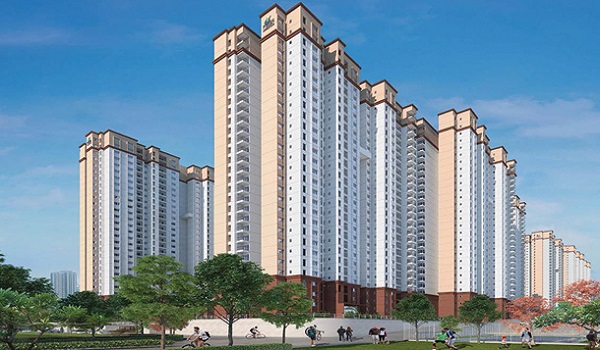
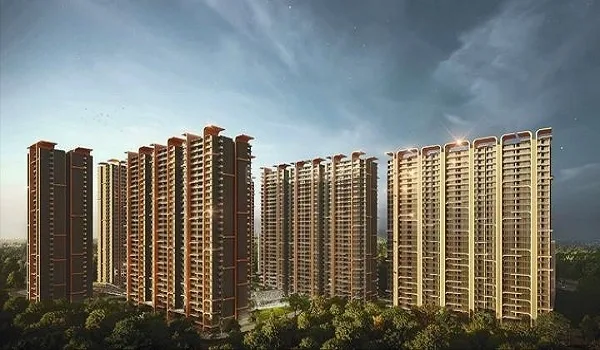
For NRIs, a branded, RERA-tracked, high-rental-demand address lowers the management headache. The lead pre-launch option is Prestige Whitefield, an 18-acre, 10-tower gated community by Prestige Group on Varthur Road, with 1 to 4 BHK homes from about ₹1.14 Crore and its K-RERA application in process — a pre-launch entry price with the widest unit choice in the corridor.
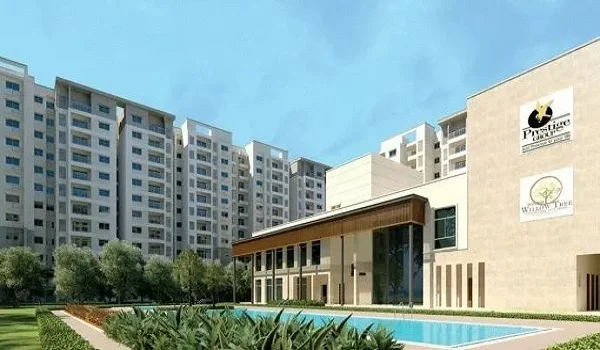
For a ready or near-ready alternative that earns rent sooner, Prestige Lavender Fields near Varthur offers 1 to 3 BHK homes from around ₹1.1 Crore, and the delivered Prestige Shantiniketan township beside ITPL has a deep resale and rental market. Compare entry prices on the price list and layouts on the floor plans, and read the wider market in the Whitefield real estate guide.
Bottom line: pick a branded, RERA-tracked address — pre-launch for the best entry price, ready stock for faster rent.
Frequently Asked Questions
1. Can an NRI buy an apartment in Whitefield?
Yes. Under FEMA, an NRI or person of Indian origin can freely buy residential and commercial property, including Whitefield apartments. Only agricultural land, plantations and farmhouses are off-limits, and no special RBI permission is needed.
2. How can an NRI pay for a Whitefield apartment?
Through normal banking channels in Indian rupees — from an NRE, NRO or FCNR account, or by inward remittance. Foreign-currency cash is not allowed, and many buyers also use an Indian home loan.
3. Can an NRI get a home loan for a Whitefield apartment?
Yes. Indian banks fund up to roughly 75 to 80 percent of value, disbursed and repaid in rupees through the NRE or NRO account, often with a resident co-applicant or Power of Attorney holder.
4. What taxes apply when an NRI buys or sells in Whitefield?
Stamp duty, registration and GST (if under construction) on purchase; taxable rental income; and capital gains tax with TDS on the proceeds when an NRI sells. Confirm rates with a chartered accountant.
5. Can an NRI repatriate the money from selling a Whitefield apartment?
Generally yes, within FEMA limits, for up to two residential properties, if the purchase was funded via inward remittance or NRE/FCNR money and taxes are paid. A CA certifies the remittance.
Conclusion
Whitefield gives NRIs a rare combination: a rupee asset with reliable IT-led tenants, a brand-name resale market and an operational metro, all at prices below central Bengaluru. The buying freedom is wide under FEMA — the work is in funding cleanly through NRE or NRO, planning for TDS and repatriation, and choosing a RERA-tracked address. Shortlist the pre-launch Prestige Whitefield or a ready Prestige community, check the current price and floor plans, and confirm the tax and remittance detail with your chartered accountant before you commit.
Prestige Whitefield Blog