BBMP Khata Mutation & Property Record Transfer Guide for Whitefield Apartment Buyers 2026

After you register your apartment's sale deed at the Sub-Registrar's office in Whitefield, the transaction is legally recorded in the state's registration database. However, this does not automatically update BBMP's (Bruhat Bengaluru Mahanagara Palike) own property records. For BBMP to recognise you as the owner of the unit, you must separately apply for khata mutation. This guide explains what mutation is, how it differs from khata issuance, the step-by-step process, the documents you need, and the Sakala timeline that governs how quickly BBMP must complete it.
What Is Khata Mutation?
A khata is BBMP's internal record of a property, linking it to an owner for the purpose of property tax assessment and payment. Mutation is the act of updating this record after a change of ownership, specifically replacing the previous owner's name with the new buyer's name in BBMP's database. Once mutation is completed, BBMP issues a new khata extract and khata certificate in the buyer's name, and subsequent property tax demands are raised in the buyer's name.
Mutation matters for three practical reasons: first, it is required for property tax records to reflect your name; second, banks require a khata extract in your name for certain transactions including loan against property; third, at the time of any future resale, the buyer's legal due diligence will look for a khata extract in the seller's name confirming the ownership chain is unbroken in BBMP's records.
The khata certificate guide explains the difference between A-Khata and B-Khata and why the khata type matters for home loans and resale.
Bottom line: mutation transfers your name into BBMP's property record after a purchase; without it, BBMP still shows the previous owner despite the registered sale deed.
Mutation vs Khata Issuance: Key Difference
| Concept | What it is | When it applies |
|---|---|---|
| Khata issuance (first-time) | Creating a new khata entry in BBMP records for a property not yet in the system | Newly completed buildings getting a khata for the first time; properties previously outside BBMP jurisdiction being brought in |
| Khata mutation (name transfer) | Updating an existing khata entry to show the new owner's name after a sale | Resale purchase of an apartment that already has an existing khata; any sale after the property's khata was first created |
For most resale apartment purchases in Whitefield, the property already has a khata entry from when it was first registered, and the step you need is mutation. For a brand new apartment in a recently completed project where BBMP has not yet created khata entries, the builder or the buyers' association may need to initiate first-time khata creation before individual mutation applications can proceed.
Bottom line: mutation applies when a khata already exists and you need to transfer the name; first-time issuance applies to newly completed buildings with no prior khata entry.
Step-by-Step Mutation Process
| Step | What you do |
|---|---|
| 1. Obtain updated EC | Get an encumbrance certificate (EC) from the Sub-Registrar's office covering the period up to and including your sale deed registration date; the EC should reflect your registered deed |
| 2. Clear any property tax arrears | Obtain the latest property tax paid receipt in the previous owner's name; clear any outstanding tax arrears before applying, as BBMP will check for dues |
| 3. Collect the mutation application form | Obtain the prescribed application form from the relevant BBMP ward office or download it from the BBMP portal; forms vary slightly by ward |
| 4. Compile and submit documents | Submit the completed application with all required documents (see table below) at the ward office covering the property's location |
| 5. Acknowledgement and application number | The ward office issues an acknowledgement slip with your application number; retain this for tracking |
| 6. BBMP inspection (if required) | The BBMP revenue officer may conduct a site inspection to verify the property details; respond to any queries promptly |
| 7. Mutation order issued | BBMP issues the mutation order in your name; property tax records are updated |
| 8. Collect updated khata extract | Apply for and collect the updated khata extract showing your name; this is the document used for bank and resale transactions |
The property registration process guide covers the sale deed execution and Sub-Registrar registration step that precedes mutation. Mutation is a post-registration municipal step distinct from the state registration process.
Bottom line: mutation involves submitting a prescribed application with supporting documents to your BBMP ward office; the office issues a mutation order and updates the khata extract in your name.
Documents Required for Mutation
| Document | Notes |
|---|---|
| Registered sale deed (copy) | The registered and stamped copy of the sale deed from the Sub-Registrar; original may be required at submission |
| Encumbrance certificate (EC) | Updated EC from Sub-Registrar covering period up to the registration date and reflecting your sale deed |
| Previous owner's khata copy | The existing khata extract in the previous owner's name, confirming the property is already in BBMP records |
| Latest property tax paid receipt | Confirms no tax arrears; BBMP requires tax to be current before processing mutation |
| Possession certificate / OC | May be required for apartment units, particularly in buildings with recent OC; confirm with the ward office |
| Mutation application form | Prescribed form available at ward office or BBMP portal; include a self-declaration of purchase |
| PAN card copy | Buyer's PAN for identification; may be required by some ward offices |
| Aadhar card copy | Buyer's Aadhaar for address and identity verification |
Document requirements can vary by ward office and property type. Confirm the exact checklist at your specific BBMP ward office or the BBMP portal before visiting, to avoid multiple trips.
Bottom line: the core documents are the registered sale deed, updated EC, previous khata, latest tax receipt and mutation application form; confirm ward-specific requirements in advance.
Sakala Timeline and How to Track Status
Karnataka's Sakala (Services Act for Karnataka Local Administration) framework mandates that certain government services, including BBMP khata mutation, must be delivered within a prescribed timeline. Khata mutation is a Sakala-notified service, meaning BBMP is legally required to complete it within the stipulated timeframe from the date of application acceptance.
The prescribed Sakala timeline for khata mutation has varied historically and is periodically revised. At the time of writing, the typical prescribed period is 15 to 30 working days from the date of application, depending on the specific service category and whether an inspection is required. Check the current timeline on the Karnataka Sakala portal before applying, as the applicable number may have changed.
Once you submit your application and receive an acknowledgement number, you can track the status online using the application number on the BBMP e-Aasthi portal or the Sakala portal. If the prescribed Sakala deadline passes without action, you can escalate to the Sakala appellate authority.
Bottom line: mutation is Sakala-governed with a stipulated timeline of around 15-30 working days; track status online using your application number and escalate via Sakala if the deadline lapses.
Mutation and Property Tax: What Changes
Once mutation is complete, the property tax demand notice for subsequent financial years will be issued in your name. Until mutation is complete, tax demands may still come in the previous owner's name, which can create confusion about payment responsibility. You can pay property tax in the previous owner's name using the existing property ID while mutation is pending, and the payment will be credited to the property account regardless of who pays.
The BBMP property tax guide explains the unit area value (UAV) method of self-assessment, early-payment rebates and how to pay online. It is advisable to initiate mutation soon after registration so that the next year's property tax demand is raised in your name.
Bottom line: property tax can be paid before mutation using the existing property ID; initiate mutation promptly so future demands are issued in your name.
After Mutation: What to Collect and Retain
| Post-mutation document | Why you need it |
|---|---|
| Updated khata extract (in your name) | Required for bank transactions, loan against property, and buyer due diligence at future resale |
| Mutation order copy | Official BBMP order recording the name change; retain in your property file permanently |
| Updated property tax demand notice | Confirms tax records now show your name; useful for any future income tax declaration of property ownership |
After obtaining the updated khata extract in your name, file it alongside your sale deed, EC, and OC in your property folder. The legal due diligence guide lists all the documents a buyer's lawyer typically reviews when you later sell the property.
Prestige Whitefield: Post-Registration Steps
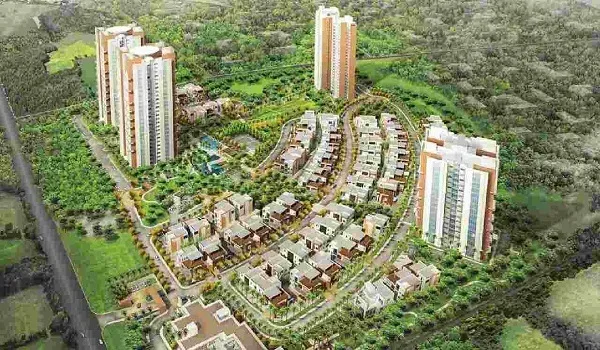
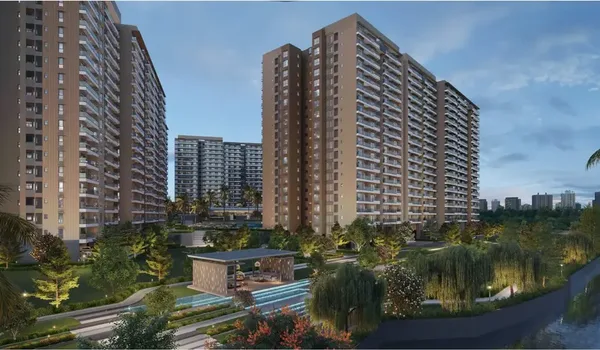
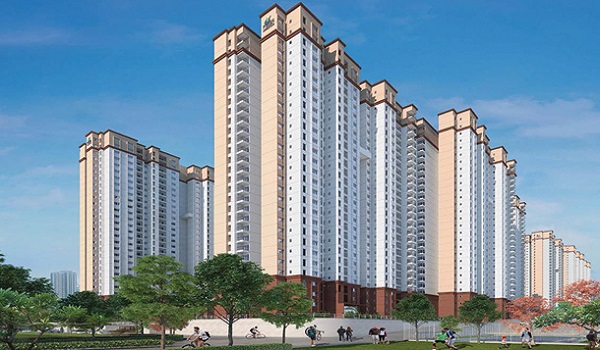
Buyers of units at Prestige Whitefield by Prestige Group, an 18-acre township in Whitefield, should initiate K-RERA-verified project registration checks before booking, and after possession and sale deed registration, should complete the BBMP mutation application promptly to ensure all municipal records reflect the new ownership. Engage a property lawyer or a Sakala-accredited consultant if the ward office process is unfamiliar. For unit pricing and configuration details, see the price page and the Whitefield real estate guide.
Frequently Asked Questions
1. What is BBMP khata mutation and why do I need it after buying a flat?
Mutation updates BBMP's property records to show your name as owner after a sale deed registration. Without it, BBMP still shows the previous owner, which affects property tax records, obtaining a khata extract in your name and future resale due diligence.
2. What documents are required for BBMP khata mutation of an apartment?
Core documents are the registered sale deed, updated EC, previous owner's khata copy, latest property tax paid receipt and the mutation application form. Confirm the full checklist at your specific BBMP ward office before applying, as requirements vary.
3. How long does BBMP khata mutation take under Sakala?
The prescribed Sakala timeline is typically 15 to 30 working days from application acceptance. Check the current timeline on the Karnataka Sakala portal, as it is periodically revised. Track status online with your application number.
4. Is khata mutation the same as getting a new khata after buying a flat?
No. Mutation transfers an existing khata entry to your name after a purchase. First-time issuance creates a new khata for a property not yet in BBMP records. Most resale purchases require mutation, not first-time issuance.
5. Can I pay property tax before khata mutation is complete?
Yes, using the previous owner's khata number and property ID. Clear any arrears before applying for mutation. After mutation, future tax demands are issued in your name.
Conclusion
Khata mutation is a straightforward but easily overlooked post-registration step. Many buyers register the sale deed, take possession and move in, without realising that BBMP's own records still show the previous owner for property tax purposes. The process involves submitting a standard document set at the ward office, and Sakala's mandatory timeline means the BBMP must complete it within a stipulated period. Initiate mutation soon after registration, track it online, and retain the updated khata extract and mutation order in your permanent property file. For the sale deed registration step that must precede mutation, see the property registration guide; for the khata type (A-Khata vs B-Khata) and its implications, see the khata certificate guide.
Prestige Whitefield Blog