Home Loan & EMI Guide for Whitefield Apartments 2026

Most people buying an apartment in Whitefield fund it with a home loan, and the difference between a smooth purchase and a stalled one usually comes down to understanding the loan before you book. This guide explains how much you can borrow, what drives your EMI, how eligibility is assessed, the tax benefits on offer and the steps from sanction to disbursal — written for a 2026 Whitefield buyer.
Whitefield is a lender-friendly market: branded, RERA-tracked towers from established developers are easy to finance, and the steady IT-led demand keeps banks comfortable with the collateral. The numbers below are illustrative, not quotes — interest rates move and every lender has its own policy — so treat them as a framework and confirm the live figures with your bank.
Home Loan for a Whitefield Apartment — Quick Snapshot
| Point | What a buyer should know |
|---|---|
| Loan-to-value | Typically ~75–90% of property value; higher share usually for smaller loans |
| Down payment | Your share, usually ~10–25%, paid upfront (plus registration costs separately) |
| Tenure | Up to ~30 years, subject to your age and retirement horizon |
| Interest rate | Varies by lender and profile — check the current rate; do not assume a fixed number |
| Eligibility drivers | Net income, existing EMIs, credit score, age, job stability |
| Tax benefits | Interest under Sec 24(b) and principal under Sec 80C, within limits — confirm with a CA |
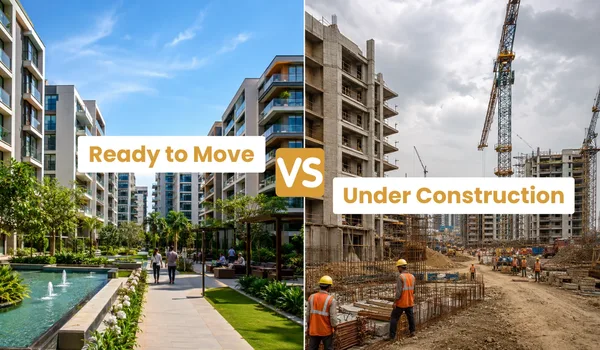
| Under-construction | Stage-linked disbursal; possible pre-EMI interest until full disbursal |
| Ready / resale | Single disbursal after registration |
How Much Loan Can You Get?
Banks fund the apartment against its value, generally up to about 75 to 90 percent, with the higher end usually reserved for smaller loan amounts and strong profiles. The balance is your down payment, and the stamp duty, registration and GST are paid on top of the loan, not from it. So a buyer planning a Whitefield purchase should budget for the down payment plus those statutory costs in cash.
The other ceiling is your repayment capacity. Lenders cap the total of all your EMIs at a comfortable share of your net income, so even if the property qualifies for a high loan-to-value, your income may set the real limit. Clearing or consolidating small existing loans before you apply often lifts the sanctioned amount.
Bottom line: the lower of the value-based limit and your income-based limit decides the loan — plan the down payment and statutory costs in cash.
What Drives Your EMI
Three things set the EMI: the loan amount, the interest rate and the tenure. A longer tenure lowers the monthly outgo but raises total interest; a higher rate pushes both up. Because rates are lender- and profile-specific in 2026, the only honest way to size your EMI is to run your own quote through a calculator.
As an illustration only — not a rate quote — a loan of about ₹85 lakh over 20 years at an assumed 8.5 percent works out near ₹74,000 a month. Change the rate or tenure and that figure moves materially, which is exactly why you should use your bank's EMI calculator with a current quote rather than rely on any headline number.
Bottom line: treat the ₹74,000 figure as a worked illustration, not a promise — your real EMI depends on your quoted rate.
Eligibility: What Lenders Check
Eligibility rests on a few pillars. Your net monthly income and the share already committed to other EMIs decide how much room you have. Your credit score signals repayment discipline and influences both approval and the rate offered. Your age and remaining working years cap the tenure, and stable employment or a steady business reassures the lender.
For salaried buyers the paperwork is lighter; for the self-employed, lenders lean on income-tax returns and bank statements. A co-applicant — often a spouse — can pool incomes to raise the sanction and is common for the larger ticket sizes in Whitefield's branded towers.
Bottom line: a clean credit score, low existing EMIs and a co-applicant are the simplest levers to a bigger, cheaper loan.
Tax Benefits on a Home Loan
A home loan is one of the few borrowings that also lowers tax. Under current income-tax rules a borrower can usually claim the interest paid under Section 24(b) and the principal repayment under Section 80C, each within prescribed annual limits. For a self-occupied home these deductions can meaningfully reduce the effective cost of the loan over the early years when interest dominates the EMI.
The catch is that the benefit depends on your chosen tax regime, whether the home is self-occupied or let out, and the property's completion status. Because these rules are revised periodically, confirm exactly what you can claim with a chartered accountant rather than assuming a fixed saving.
Bottom line: Sections 24(b) and 80C can cut the real cost of the loan — verify your eligibility and limits with a CA.
Steps and Documents
The path is straightforward. You apply with KYC, income proof and bank statements; the lender assesses eligibility and issues a sanction letter; the property and its title are legally and technically verified; and the loan is disbursed — in one tranche for a ready or resale flat, or in construction-linked stages for an under-construction project, where you may pay pre-EMI interest until full disbursal. Keep the builder's RERA details and the approved-bank list handy, as many projects already have tie-ups that speed up the legal check.
Bottom line: get a sanction before you finalise the booking, and prefer a project the bank has already vetted.
Financing a Whitefield Apartment: Worked Example
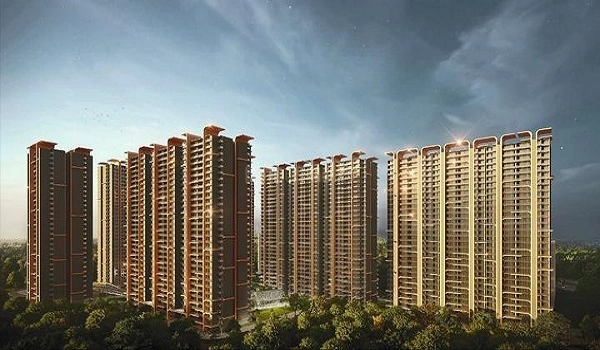
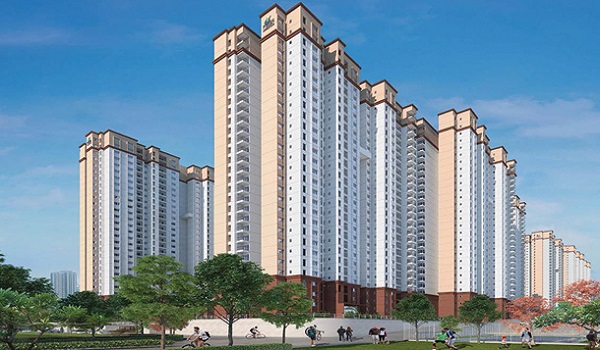
The lead pre-launch option in the corridor is Prestige Whitefield, an 18-acre, 10-tower gated community by Prestige Group on Varthur Road, with 1 to 4 BHK homes from about ₹1.14 Crore and its K-RERA application in process. On a roughly ₹1.14 Crore home, a loan-to-value near the upper band would put the borrowing in the region of ₹85 to 90 lakh, with the rest as down payment and statutory costs in cash — the same illustration used above.
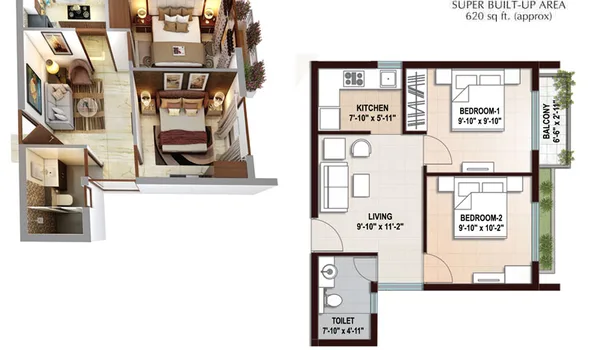
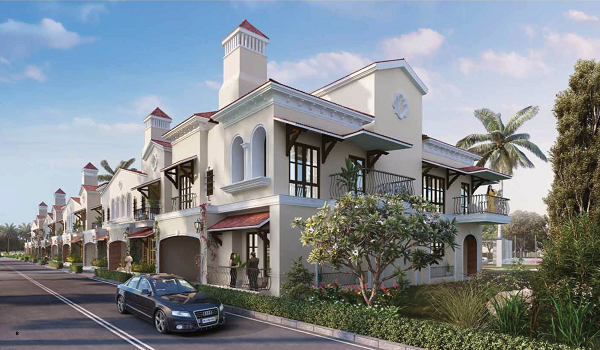
For a ready alternative that can be disbursed in a single tranche after registration, Prestige Lavender Fields near Varthur offers 1 to 3 BHK homes from around ₹1.1 Crore, and the delivered Prestige Shantiniketan beside ITPL has a deep resale market that banks finance readily. Compare entry prices on the price list and layouts on the floor plans, and read the wider market in the Whitefield real estate guide.
Bottom line: a branded, RERA-tracked address finances cleanly — size the loan to your income, not just the value cap.
Frequently Asked Questions
1. How much home loan can I get for a Whitefield apartment?
Usually up to about 75 to 90 percent of the property value, with the higher share for smaller loans. The final sanction also depends on your income, existing EMIs, credit score and the lender's policy, and the registration costs are paid separately.
2. What is the EMI on a home loan for a Whitefield flat?
It depends on the loan amount, rate and tenure. As an illustration only and not a quote, an ₹85 lakh loan over 20 years at an assumed 8.5 percent is about ₹74,000 a month. Use your bank's calculator with a current rate for your real figure.
3. What decides my home loan eligibility?
Mainly your net income and existing EMIs, your credit score, your age and remaining working years, and job stability. A higher income and a clean credit history raise both the sanctioned amount and your chances of a better rate.
4. Are there tax benefits on a home loan?
Yes — typically the interest under Section 24(b) and the principal under Section 80C, each within limits. The exact benefit depends on your tax regime and property status, so confirm with a chartered accountant.
5. Should I take a loan on an under-construction or ready apartment?
Both are financeable. Under-construction loans disburse in construction-linked stages with possible pre-EMI interest, while a ready or resale flat is disbursed in one tranche after registration. Choose by budget, possession timeline and RERA status.
Conclusion
A home loan turns a Whitefield apartment from a lump-sum purchase into a planned, tax-efficient buy — provided you size it to your income, not just the value cap, and budget the down payment and statutory costs in cash. Get a sanction before you book, prefer a branded RERA-tracked project the bank has already vetted, and run your EMI on a current quote rather than a headline rate. Shortlist the pre-launch Prestige Whitefield or a ready Prestige community, check the live price and floor plans, and confirm your eligibility and tax benefits with the lender and a chartered accountant before you commit.
Prestige Whitefield Blog